
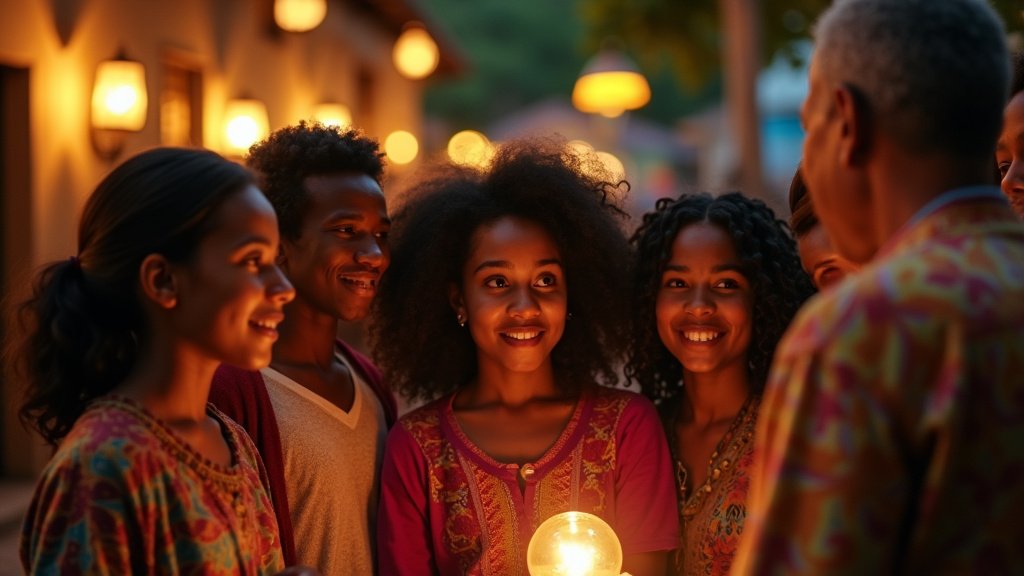
The Living Lore: Caribbean Youth Revitalize Ancient Storytelling Traditions
The vibrant tapestry of the Caribbean is woven not just with its sun-drenched landscapes and rich cultural diversity, but also with the enduring power of its traditional stories. Far from being relics of the past, these narratives are actively embraced, reinterpreted, and shared by the region’s youth, serving as vital conduits to cultural identity, history, and community values.
At the heart of this tradition are tales that have traversed oceans and generations, often originating from West African roots. The most prominent among these is the Anansi, or Nancy, stories, featuring the cunning spider trickster. These narratives, celebrated for their wit and moral lessons, teach young people about resourcefulness, strategy, and the consequences of actions. Anansi’s exploits, whether outsmarting larger creatures or navigating complex social dynamics, resonate deeply, symbolizing a form of resistance and wisdom passed down through oral tradition.
Beyond the clever spider, Caribbean folklore teems with a pantheon of spirits, mythical beings, and supernatural characters. Stories of Duppies or Jumbies – ghosts and spirits that can be malevolent or carry significant messages – are common, reminding youth of the unseen realms. The Douen, the souls of unbaptized children, with their featureless faces and backward-turned feet, wander through forests, embodying playful mischief and cautionary tales. Then there is the seductive La Diablesse, the “devil woman” with a hidden cow’s hoof, who lures unsuspecting men, and the Soucouyant (or Ole Higue), an ancient woman who sheds her skin to fly through the night. These spectral figures, along with nature guardians like Papa Bois, the protector of the forest, and Mami Wata, the revered water spirit, populate the imaginative world of Caribbean youth, instilling a sense of wonder and respect for the natural and spiritual environments.
Connecting to Roots Through Narrative
For Caribbean youth, these stories are more than just entertainment; they are fundamental to understanding their heritage. In societies shaped by complex histories of colonization, slavery, and migration, traditional tales serve as a crucial link to ancestral roots and a shared past. They illuminate the struggles and triumphs of their forebears, fostering a powerful sense of pride, resilience, and belonging. The importance of these narratives is amplified in a globalized world, where youth actively seek to define and preserve their unique identities.
Stories woven around specific landmarks, natural elements, or ancestral spirits carry profound lessons. Tales of water spirits like Madlo or tree spirits like Bua Boua, for instance, highlight the importance of environmental stewardship and respect for the land that sustains them. Legends tied to mountains or significant sites often convey themes of freedom, struggle, and perseverance, reinforcing personal strength and cultural pride.
Modern Platforms, Ancient Voices
The transmission of these age-old stories is evolving, with Caribbean youth adeptly blending traditional methods with contemporary digital tools. While the oral tradition remains paramount, passed down through families and communities during gatherings and festivals, young storytellers are now leveraging social media platforms like TikTok and Instagram to share their narratives with a global audience. This modern approach allows them to raise awareness about pressing contemporary issues such as climate change, health, and social justice, while still grounding their messages in cultural heritage.
Interactive elements, a hallmark of traditional storytelling, are also being reimagined. Call-and-response rhythms, known as “crick crack,” along with singing, dancing, and dramatic reenactments, make these stories engaging and participatory. These lively methods transform storytelling into a shared experience, a practice that has been preserved and adapted across generations.
The Enduring Significance for Community and Identity
Storytelling in the Caribbean is not merely a pastime; it is a powerful vehicle for cultural preservation and a cornerstone of community cohesion. It imparts moral and social education, teaches proverbial lessons, and instills values crucial for societal well-being. For young people, these stories are integral to developing their sense of self and place in the world, boosting confidence and fostering a unique cultural pride.
Moreover, the skills honed through storytelling—communication, creativity, and critical thinking—are increasingly recognized for their value in supporting careers in fields such as tourism, arts, and community development. As youth continue to find innovative ways to share their stories, they not only honor their past but also actively shape the future of Caribbean culture, ensuring that these timeless narratives continue to inform, inspire, and connect generations.