
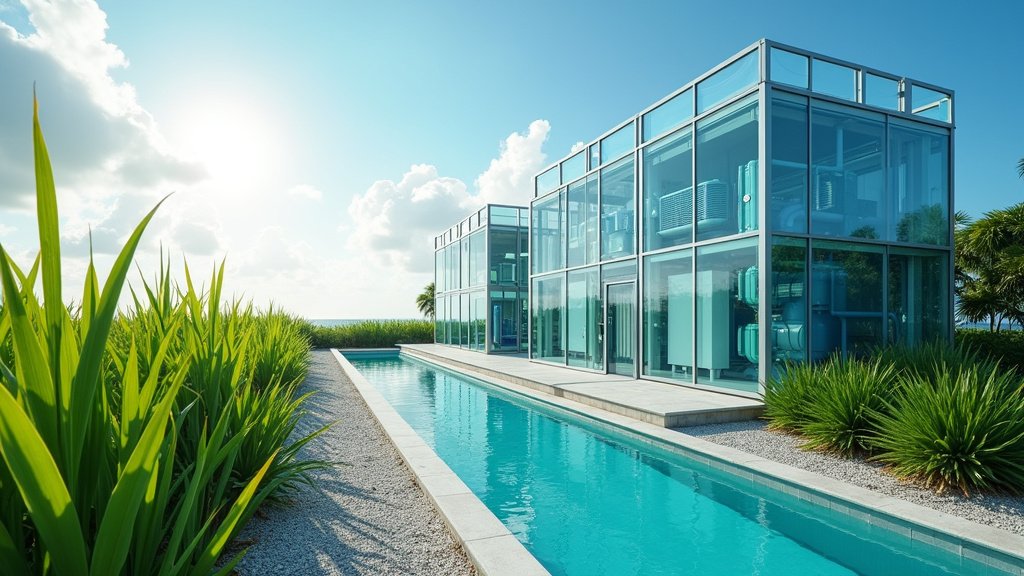
Barbados has broken ground. A new era for water management has begun. The nation launched a $220 million project. It is called the Climate Resilient South Coast Water Reclamation Plant. This initiative marks a major step forward. It shifts sewage treatment from emergency fixes to a permanent, modern solution. Prime Minister Mia Mottley led the ceremony. It took place on January 16, 2026. The project site is at Harmony Hall in Christ Church. This is north of the old Graeme Hall Sewage Treatment Plant.
Addressing Decades of Challenges
Barbados has long faced water scarcity. The island is one of the most water-scarce regions. Abstraction levels often exceed sustainable supply. Climate change worsens these challenges. For years, the South Coast Sewage Treatment Plant struggled. It experienced breakdowns. This happened notably in 2018. Raw sewage flooded streets. It also affected vital tourism areas. This caused environmental and health hazards. These issues brought embarrassment. They also damaged the island’s reputation. This project aims to resolve these problems. It will serve as a model for the region.
Advanced Technology for Water Recovery
The new plant will be a Water Resource Recovery Facility. It employs advanced tertiary treatment processes. These include ultraviolet disinfection. Ultrafiltration is also used. Reverse osmosis is another key step. The facility will also handle sludge digestion. Thickening and dewatering are included. This ensures high-quality reclaimed water. The plant’s capacity is 9,000 cubic meters daily. It will produce water suitable for reuse. This reclaimed water meets global standards. It is perfect for agricultural irrigation. It can also be used for groundwater recharge. The project will help replenish aquifers. This is crucial for water security. It also supports food sovereignty. The plant is expected to be one of the most advanced in the Caribbean.
Building Climate Resilience
This project significantly boosts Barbados’s climate resilience. It addresses environmental degradation. It protects marine life. It safeguards nearshore coral reef ecosystems. Public health will also improve. The island faces rising sea levels. It also deals with more intense storms. This facility is built to withstand these threats. It is a core part of Barbados’s sustainable development. It aligns with its climate goals. The project also uses a 7 MW renewable energy array. This will power the plant. It enhances operational resilience. This is essential for critical infrastructure.
Innovative Financing Model
A key feature is its financing. The project uses a “Debt-for-Climate Conversion.” This is also known as a debt swap. It is a pioneering mechanism. It was developed with international partners. This innovative approach means Barbados does not increase its national debt. The government restructured existing debt. It secured lower interest rates. This generated significant fiscal savings. The total project cost is $220 million. Funding came from multiple sources. The Inter-American Development Bank (IDB) and the European Investment Bank (EIB) provided guarantees. They totaled $300 million. The Green Climate Fund (GCF) contributed funding. This included a $40 million grant. The IDB provided a $40 million loan. CIBC assisted with local financing. The Nature Conservancy was also a partner. This financial model is a global first. It serves as a blueprint for vulnerable states.
Key Partners and Contributors
Prime Minister Mia Mottley highlighted the collaboration. She spoke at the groundbreaking. Senior Minister Dr. William Duguid also attended. He noted years of work went into this. Chinese Ambassador Zheng Bingkai was present. He emphasized the project’s livelihood importance. Major contractors include China Railway Shanghai Engineering Group. They are joined by the Central & Southern China Municipal Engineering Design and Research Institute Co. Ltd. GreenTech Environmental is also a contractor. The Barbados Water Authority (BWA) will manage the plant. The BWA will receive an annual grant. It gets $8 million for five years. This is contingent on meeting performance targets. The project is expected to be completed by 2032. It will take about five years. Savings from the debt swap will also benefit the BWA. These savings can further enhance climate resilience.
Broader Impact and Future Vision
The project will support local communities. It will help 150 to 200 small farmers. Pipelines will extend about 25 km inland. This reaches Saint Philip. It will improve irrigation for agriculture. This boosts food security. The reclaimed water aids crop production. This reduces the island’s food import bill. Barbados, a small island developing state, faces unique hurdles. This project shows how innovation can overcome them. It integrates multiple purposes. It benefits the entire southern region. It reduces water loss in the system. It improves overall sewage management. This protects vital natural resources. The project is more than infrastructure. It is a vision for resilience and prosperity. It models sustainable development for the Caribbean. It shows how cooperation drives environmental and fiscal gains.
A Modern Water Resource Facility
This undertaking transforms wastewater treatment. It becomes a water resource recovery system. It will revolutionize water use. It also protects the environment. Green energy is promoted. Food security is enhanced. This vision is one of radical transformation. Barbados is not just building a plant. It is constructing a facility for the future. It will serve as a model for the entire Caribbean. This news brings hope for a sustainable tomorrow. It ensures cleaner water for all its people. It also protects the fragile island environment.