
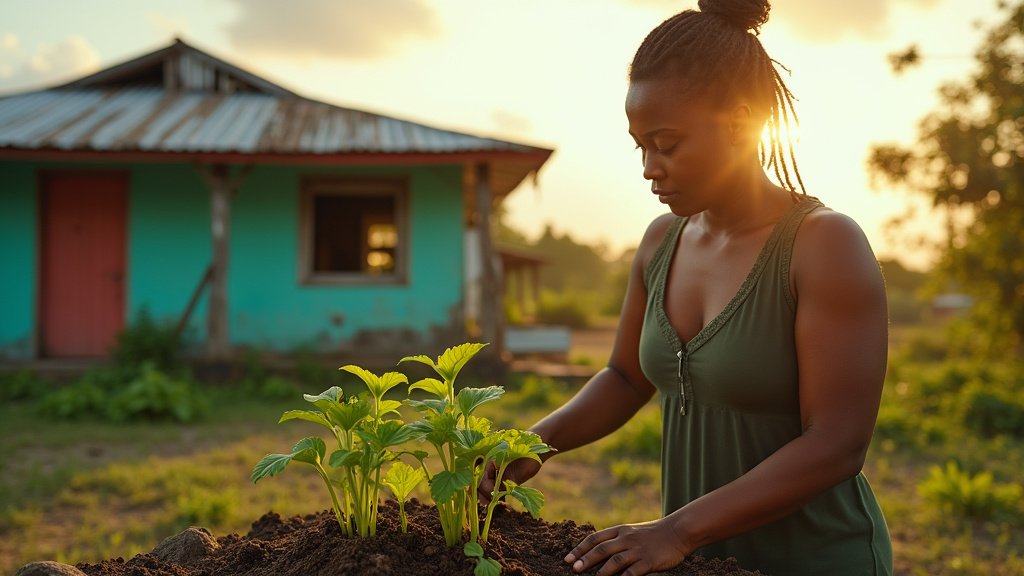
In the face of unprecedented devastation, Jamaica has begun the arduous journey of recovery following the catastrophic Category 5 Hurricane Melissa, which struck the island on October 28, 2025. As the nation grapples with widespread destruction, significant loss of life, and immense economic challenges, the Jamaica Observer has continued its role as a vital news source, notably by maintaining its lifestyle and social news sections. This commitment offers a crucial thread of normalcy and community engagement amidst the profound crisis.
Hurricane Melissa’s Catastrophic Impact
Hurricane Melissa, described as the strongest storm to ever make landfall in Jamaica and one of the most intense on record in the Atlantic basin, unleashed winds reaching 185 mph. The storm made its direct hit near New Hope, Westmoreland, causing catastrophic damage across parishes including St. Elizabeth, Westmoreland, Hanover, Manchester, St. James, and Trelawny. The United Nations Development Programme (UNDP) estimated over 4.8 million tonnes of debris were left in the storm’s wake, blocking vital roads, schools, and markets, and significantly hindering relief efforts.
The human toll was immense, with 45 confirmed deaths and 15 people reported missing as of November 11, 2025, though numbers were expected to rise. Tens of thousands of homes were damaged or destroyed, particularly in western Jamaica, with some communities described as decimated. The economic fallout is staggering, with physical damage estimated at US$8.8 billion by the World Bank and IDB, equivalent to 41 percent of Jamaica’s 2024 GDP, making it the costliest hurricane in the island’s recorded history. The agriculture and tourism sectors, crucial to the Jamaican economy, suffered severe blows.
A Nation’s Resilience and Recovery Efforts
In the immediate aftermath, national and international efforts focused on search and rescue, providing shelter, food, water, and medical aid. The Government of Jamaica, alongside international partners like the World Bank, Inter-American Development Bank (IDB), and various UN agencies, has mobilized significant resources to support the recovery. The UNDP is actively involved in debris removal and damage assessments, while organizations like the United Way of Jamaica are implementing phased approaches to provide immediate relief and support long-term economic and agricultural restoration.
Key infrastructure, including airports, has reopened to facilitate relief supplies, and efforts are underway to clear roads and restore essential services. The government has set an ambitious goal to restore full tourism operations by December 15, 2025, highlighting a commitment to rebuilding confidence and economic stability. This period of rebuilding is being viewed not just as a return to normalcy, but as an opportunity to foster greater resilience, innovation, and inclusivity in Jamaica’s future development.
The Jamaica Observer’s Enduring Voice
Amidst the overwhelming news of destruction and recovery, the Jamaica Observer has continued to provide a comprehensive news service, including its popular ‘Page2’ and ‘Lifestyle’ sections. Articles appearing around the dates of October 30 and November 1, 2025, and in the weeks following, touched upon fashion, health, and social events, offering readers a window into aspects of daily life that persist even during a national crisis. This sustained coverage serves a dual purpose: it acknowledges the ongoing reality of community life and cultural activities, providing a sense of continuity and hope, while also reporting on the critical disaster news and recovery efforts.
Such editorial decisions reflect a broader understanding of the role media plays in the Caribbean during times of disaster. Reports from the Media Institute of the Caribbean (MIC) emphasize that local media are indispensable in disseminating life-saving information, countering misinformation, and amplifying community voices, often under challenging circumstances. By continuing its lifestyle coverage, the Jamaica Observer not only informs but also helps to sustain the social fabric that is so vital for national healing and collective progress.
A Beacon of Continuity in the Caribbean
The coverage by the Jamaica Observer underscores a key aspect of media resilience in the Caribbean region, which is particularly vulnerable to natural disasters. While immediate disaster news is paramount, maintaining coverage of social and lifestyle news can serve to reinforce community bonds and remind citizens of the everyday life they are working to restore. This approach acknowledges that recovery is not solely about rebuilding physical structures but also about nurturing the spirit and social cohesion of the nation.
As Jamaica navigates the long road to recovery from Hurricane Melissa, the Jamaica Observer’s continued focus on lifestyle and social news, interwoven with critical disaster reporting, exemplifies a commitment to offering a holistic picture of the island’s resilience. It highlights how, even in the gravest of circumstances, the pursuit of normalcy and the celebration of community life remain essential elements of the human experience and national healing.