
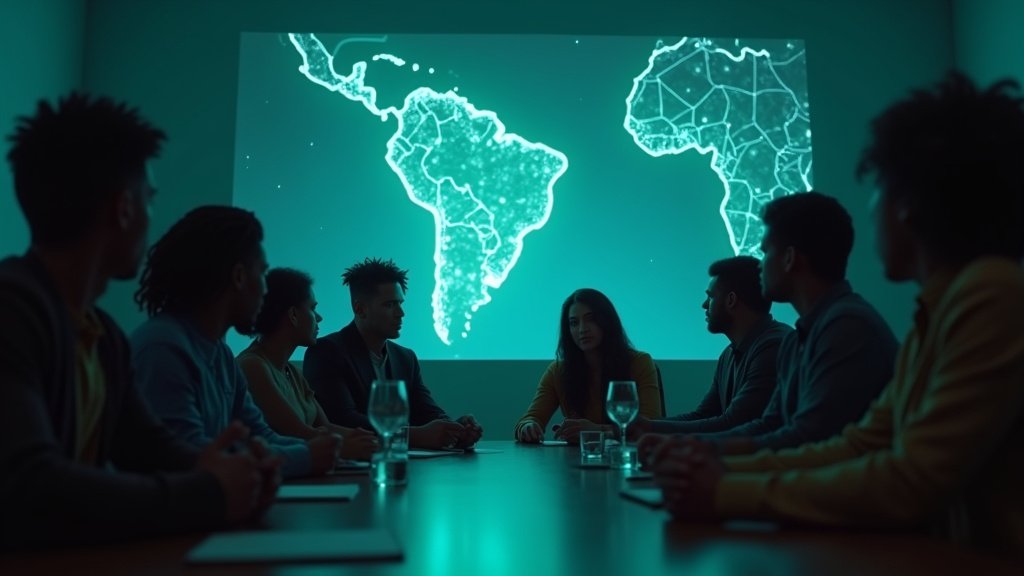
Caribbean activists met on January 19, 2026. They convened for a virtual regional conference. The meeting focused on critical security risks. This news comes after a major event. The United States conducted a military strike in Venezuela on January 3, 2026.
Regional Summit Addresses Security Risks
The conference title was “The Voices of the Caribbean in Defense of Venezuela and International Law.” It drew 187 participants. These included political and civil organizations. Jurists and solidarity movements joined too. Representatives came from many Caribbean nations. They also included participants from beyond the region. The summit aimed to analyze new threats. It also sought to coordinate efforts. The goal is to defend regional peace. This regional news is highly significant today.
The Venezuela Intervention and Its Aftermath
On January 3, 2026, the United States executed a military operation. This action resulted in the capture of Venezuela’s President Nicolás Maduro. His wife, Cilia Flores, was also captured. The US military bombed infrastructure within Venezuela. Explosions were heard in Caracas and nearby areas. Reports indicate substantial casualties. Some sources claim over 100 people died in the strikes. The US cited narco-terrorism charges. President Trump announced the US would “run” Venezuela during its transition. This intervention sparked immediate global criticism. Many leaders condemned it as a violation of international law. Nations like Mexico, Brazil, and Cuba issued strong rebukes. Questions arose about the legality of the US military action.
Caribbean Concerns Mount
The intervention in Venezuela creates significant concern for the Caribbean. This region has long championed its status as a Zone of Peace. Activists fear this action undermines that status. It directly threatens national sovereignty. Regional stability is a paramount worry. Such actions risk setting dangerous precedents. Many Caribbean nations feel vulnerable to external interventions. This news today reflects their deep unease.
Strategizing for Sovereignty and Peace
The conference participants established clear strategic objectives. They united to defend the Zone of Peace proclamation. A key objective is building an international solidarity network. This network aims to safeguard national sovereignty. The activists plan to develop legal instruments. They will also foster discussions to ensure regional integrity. Another core goal is influencing foreign policy shifts. This includes reshaping policy across Caribbean nations. They collectively condemned the US military actions. These actions were deemed illegal and a breach of international norms.
Broader Regional Security Implications
This event highlights broader regional security challenges. Experts note the shift towards a Post-Institutional Era. Traditional security indicators may no longer predict instability. Power is fragmenting. Informal networks are gaining influence. The Caribbean’s history emphasizes democratic resilience. It also values commitment to international law. However, true sovereignty often depends on power, not just law. Small states must insist that law restrains power. The pursuit of sovereignty means freedom from coercion.
A Unified Stance for the Future
Delegates agreed to form a regional solidarity network. They will pursue legal and diplomatic strategies. These actions aim to influence foreign policy in Caribbean states. The conference signals the start of coordinated legal action. It also launches public advocacy and international engagement. The ultimate goal is to protect regional unity and peace. This news today underscores the Caribbean’s resolve. Activists are actively strategizing for a secure regional future.