
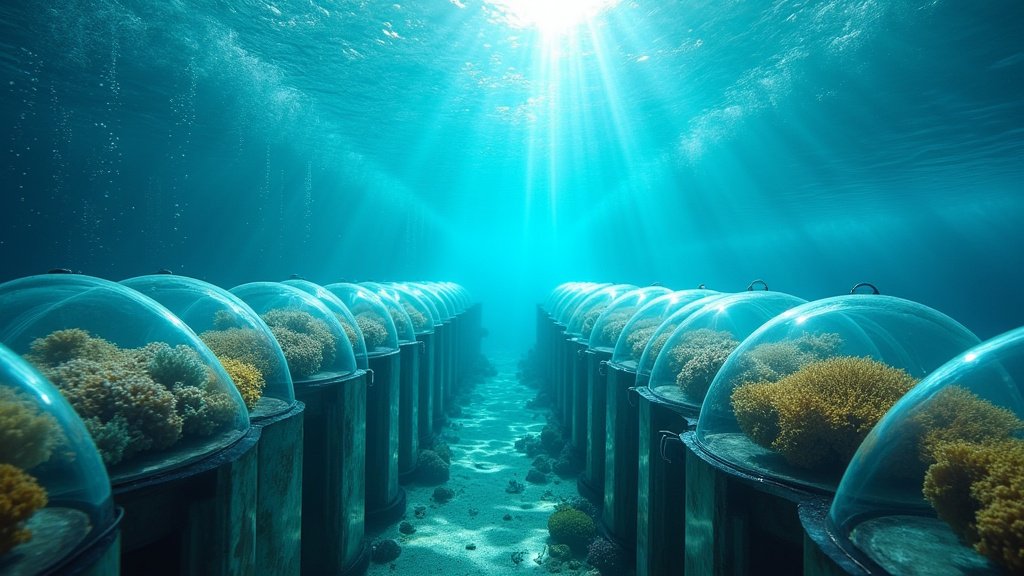
Marine biologists have officially launched an ambitious, large-scale restoration effort aimed at reversing the rapid decline of reef systems across the Caribbean. By utilizing a targeted larvae exchange protocol, researchers are cross-pollinating isolated populations of endangered coral, effectively injecting the genetic resilience necessary to combat warming oceans and bleaching events. This innovative strategy marks a shift from passive conservation to active, interventionist management, prioritizing the long-term survival of the region’s most vital marine infrastructure.
- The program facilitates the movement of coral larvae between genetically distinct reefs to improve overall population health.
- Target species include foundational boulder corals that provide essential habitat for thousands of marine organisms.
- The initiative is being deployed across high-priority sites in the Florida Keys, the Mesoamerican Reef, and Caribbean island nations.
- Researchers are utilizing advanced genomic sequencing to identify the most heat-tolerant phenotypes before initiating the exchange.
- This project represents the largest collaborative effort in the history of Caribbean coral reef restoration.
The Deep Dive
The Genetic Bottleneck Crisis
For decades, Caribbean coral reefs have been suffering under the dual pressures of anthropogenic climate change and localized stressors such as disease outbreaks and pollution. The resulting fragmentation of reef systems has created a dangerous genetic bottleneck. When coral populations become isolated, they lose the capacity for sexual reproduction, often relying on self-fertilization or limited cloning, which drastically reduces their ability to adapt to rapid environmental changes. Scientists have identified that many local colonies are no longer capable of producing healthy offspring on their own, leading to a precipitous drop in biodiversity. The larvae exchange program addresses this directly by acting as a ‘biological bridge,’ physically and genetically reconnecting these disparate colonies.
Mechanics of the Larvae Exchange
At its core, the larvae exchange is a feat of precise marine engineering and ecological synchronization. During the specific annual spawning windows, researchers utilize underwater collection devices to harvest gametes from resilient, healthy coral specimens. These are then brought to specialized nurseries where cross-fertilization occurs under controlled conditions. Once the larvae reach the appropriate developmental stage, they are transported—often via drone or specialized maritime vessel—to reefs that have been identified as having low genetic diversity or depleted stocks. By introducing these ‘foreign’ larvae, the scientists are essentially introducing new immune responses and physiological advantages into the target reef’s population. This method, sometimes referred to as ‘assisted gene flow,’ is significantly more effective than traditional coral outplanting, as it allows the coral to integrate naturally into the ecosystem from the larval stage.
Overcoming Environmental Thresholds
Climate change presents a formidable challenge to this project, primarily through the mechanism of marine heatwaves. While the larvae exchange aims to bolster population numbers, the ultimate goal is to facilitate evolutionary adaptation to higher temperatures. By selecting ‘super corals’—colonies that have demonstrated an unusual ability to survive past bleaching events—for the parent pool, scientists are essentially speeding up the rate of natural selection. The resulting offspring are expected to have a higher thermal tolerance. However, researchers caution that this is not a silver bullet. The success of the larvae exchange is inextricably linked to broader efforts to improve water quality and reduce carbon emissions. Without addressing the root causes of ocean acidification and warming, even the most genetically robust corals will eventually face an environmental threshold they cannot overcome.
Scalability and Future Implications
One of the most promising aspects of this initiative is its potential for scalability. The protocols developed for this Caribbean-wide exchange are being documented as a blueprint for reef restoration globally. As technology advances, the team plans to incorporate AI-driven mapping to monitor the success of the larvae settlement in real-time. This includes using autonomous underwater vehicles (AUVs) to track the success rate of the new recruits. Looking ahead, the integration of genomic data, drone-assisted logistics, and international cooperation suggests a paradigm shift in how we manage our oceans. Rather than merely documenting the decline of coral, humanity is moving toward a model of active stewardship, leveraging biological science to protect the ‘rainforests of the sea.’ The success of this endeavor in the Caribbean could serve as the foundational model for safeguarding reefs in the Indo-Pacific and beyond, ensuring that these complex ecosystems continue to support marine life and coastal protection for future generations.