
Caribbean tensions have sharply escalated this week. Trinidad and Tobago’s Prime Minister Kamla Persad-Bissessar ignited a diplomatic firestorm. She publicly accused fellow Caribbean leaders. She claimed they triggered U.S. visa restrictions. These leaders allegedly did so by “bad-mouthing the U.S.”.
This dispute arose following recent U.S. actions. The United States imposed new entry restrictions. These affect citizens from Antigua and Barbuda. They also affect citizens from Dominica. These measures took effect January 1, 2026. The U.S. cited concerns over Citizenship by Investment (CBI) programs. Such programs allow foreign nationals to gain passports. They do so for significant financial investments. The U.S. stated these programs lacked proper residency requirements. This posed screening and vetting challenges. It could allow individuals to evade U.S. travel bans. Historically, CBI programs faced risks. These included concealing identities and assets. They could also circumvent financial controls. The U.S. decision targets specific visa categories. This includes immigrant and many nonimmigrant visas. It impacts business, tourist, student, and exchange visas.
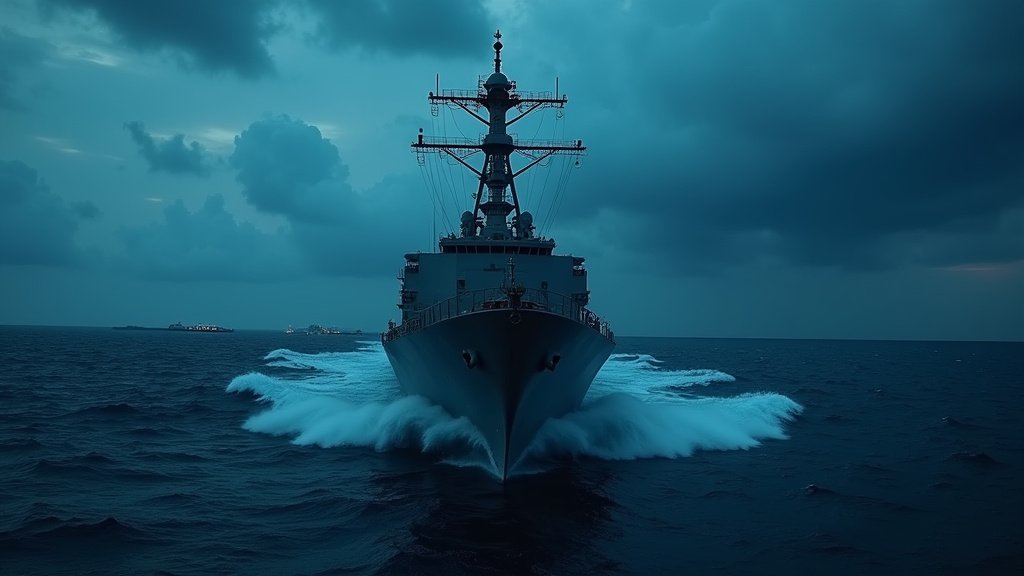
Persad-Bissessar’s specific accusation linked these visa bans. She directly blamed criticism of U.S. military strikes. These strikes began in September 2025. They targeted alleged drug traffickers in the southern Caribbean. The U.S. military conducted numerous operations. These strikes have resulted in at least 104 deaths. The U.S. declared them part of a drug interdiction mission. This military buildup near Venezuela heightened regional unease. U.S. warships deployed extensively. GPS signals in the area have faced jamming. Both U.S. and Venezuelan forces engaged in this electronic warfare. This escalates geopolitical tensions significantly.
Prime Minister Gaston Browne of Antigua and Barbuda swiftly rebuked Persad-Bissessar. He strongly denied his nation had “bad-mouthed” the U.S. Browne challenged Persad-Bissessar to provide factual evidence. He defended his country’s engagement with Washington. He stated regional solidarity does not equate to disloyalty. Browne also highlighted CARICOM’s economic contributions. Trinidad and Tobago earned over $1.1 billion from CARICOM trade in 2024. He stressed CARICOM’s role in regional security. These mechanisms aid Trinidad and Tobago’s fight against organized crime. Browne also noted Antigua and Barbuda’s legislative reforms. These reforms address concerns about its CBI program. A mandatory 30-day residency requirement is now in place. He believes the U.S. proclamation uses outdated assumptions. Dominica’s government also sought clarification. It pledged cooperation with U.S. authorities. They aim to address identified issues. Other Caribbean nations with CBI programs were not initially targeted. This includes Grenada, St. Kitts, and Nevis.
Persad-Bissessar’s remarks extended beyond accusing other leaders. She also declared CARICOM an “unreliable partner.” She warned the bloc risked “implosion.” This stems from internal divisions and alleged interference. Her statements drew sharp criticism domestically. Former Trinidad and Tobago Prime Minister Keith Rowley called her “unpatriotic” and “recklessly incompetent.” He accused her of reducing the nation to a “vassal state.” Opposition figures labeled her actions “disturbing” and damaging to regional ties. They argued she undermined CARICOM and bilateral relationships. Opposition Leader Pennelope Beckles described her CARICOM criticism as “reckless.”
This ongoing news cycle reveals deep rifts. It exposes strains in regional diplomacy. It highlights the complex relationship Caribbean nations have with the U.S. The U.S. military actions and visa restrictions create significant pressure. The dispute also underscores the economic importance of CBI programs. These programs are vital for many small island economies. Navigating these challenges requires careful diplomacy. The future of Caribbean unity remains a critical focus. Regional stability is tested by these escalating international pressures.