
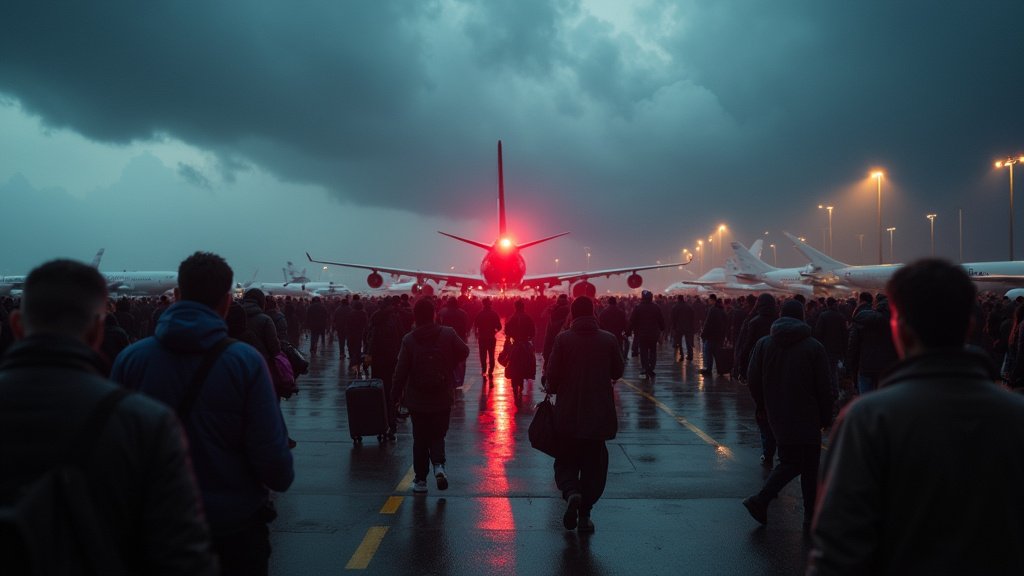
Caribbean Travel Chaos Erupts
U.S. military action in Venezuela caused travel pandemonium. President Nicolás Maduro was captured Saturday. This sparked widespread flight cancellations. Thousands of travelers faced disruption. It happened during the busy winter season.
Venezuela Operation Triggers Shutdown
A U.S. military operation removed Nicolás Maduro. This occurred early Saturday, January 3, 2026. It led to immediate travel chaos. The Federal Aviation Administration (FAA) acted fast. It restricted airspace over the Caribbean. This was due to security risks. Military activity in Venezuela was cited. No U.S. airline flights crossed Venezuelan airspace that day. FlightRadar24.com confirmed this. Major airlines canceled hundreds of flights. Passengers were warned of ongoing disruptions. U.S. Transportation Secretary Sean Duffy announced this news. He said restrictions would lift when appropriate. Travelers should check with airlines directly. This security situation impacted flights significantly.
Airspace Restrictions Create Havoc
The FAA issued an emergency notice. It banned U.S. carriers from flying near Venezuela. It also restricted Caribbean airspace. This applied to several key airports. The safety of the flying public was paramount. The FAA’s restrictions were effective through Sunday. This pause hit San Juan’s main airport hard. Luis Muñoz Marín International Airport saw over 300 cancellations. This stranded more than 48,000 passengers. Nearly 60% of Saturday’s flights were grounded. Other airports faced similar issues. Aruba’s Queen Beatrix Airport canceled about 91 flights. JetBlue alone cancelled roughly 215 flights. This was due to regional airspace closures. Flights west, like to Jamaica, were not affected. Foreign airlines and military aircraft were exempt. They continued normal operations.
Popular Destinations Grounded
Many beloved Caribbean destinations faced severe disruption. Flights were canceled to Puerto Rico. The U.S. Virgin Islands also saw cancellations. Aruba and Curaçao were heavily impacted. St. Maarten and St. Lucia also faced grounded planes. Barbados reported serious disruption at its ports. St. Thomas experienced cancellations. Dozens of island destinations were affected. These include Anguilla and Antigua. Travel plans for many were ruined. This news surprised many travelers.
Airlines Offer Waivers
Major airlines responded quickly. American Airlines waived fees for about 20 destinations. This included Anguilla and Antigua. Delta Air Lines issued a travel waiver. It covered 13 impacted airports. United Airlines adjusted its flight schedules. It allowed customers to change plans for free. Southwest Airlines canceled all Aruba flights. It also suspended Puerto Rico flights. JetBlue offered refunds or rebookings. This applies to canceled flights. Many airlines are waiving fees. This is for flights on January 3-4. This helps ease passenger burdens. Airlines also committed to repositioning resources. They aimed to restore normal service quickly.
Cruise Ships Feel the Impact
Cruise travel also faced disruptions. Some itineraries depart from San Juan. Others conclude in Bridgetown, Barbados. Cruise lines are communicating with guests. Virgin Voyages offered full voyage credits. This is for passengers missing sailings. Cruise operators adjusted their plans. They worked to accommodate affected travelers. Port authorities reviewed capacity. Some vessels may anchor offshore. This shows the broad impact of the event.
Airspace Reopens, Delays Linger
Restrictions began to lift late Saturday night. The FAA allowed flights to resume Sunday. U.S. Transportation Secretary Sean Duffy confirmed this. He announced flights could resume at midnight ET. Airlines were informed of the change. They worked to update schedules quickly. However, normal operations took time. Airlines needed to reposition aircraft. They also needed to address stranded passengers. Delays were expected for several days. Southwest added extra flights. This was to help travelers return home. The situation highlighted travel’s vulnerability. Geopolitical events have real-world effects.
A Turbulent Weekend for Travelers
This event underscores travel’s interconnectedness. Political actions can cascade globally. The Caribbean’s peak travel season suffered greatly. Thousands of passengers experienced frustrating delays. Many were stranded far from home. The news provided critical regional updates. Travelers now face a massive rebooking effort. The FAA’s quick action helped contain the issue. Yet, the impact lingers. This weekend provided a stark reminder. Regional stability directly affects global travel.