
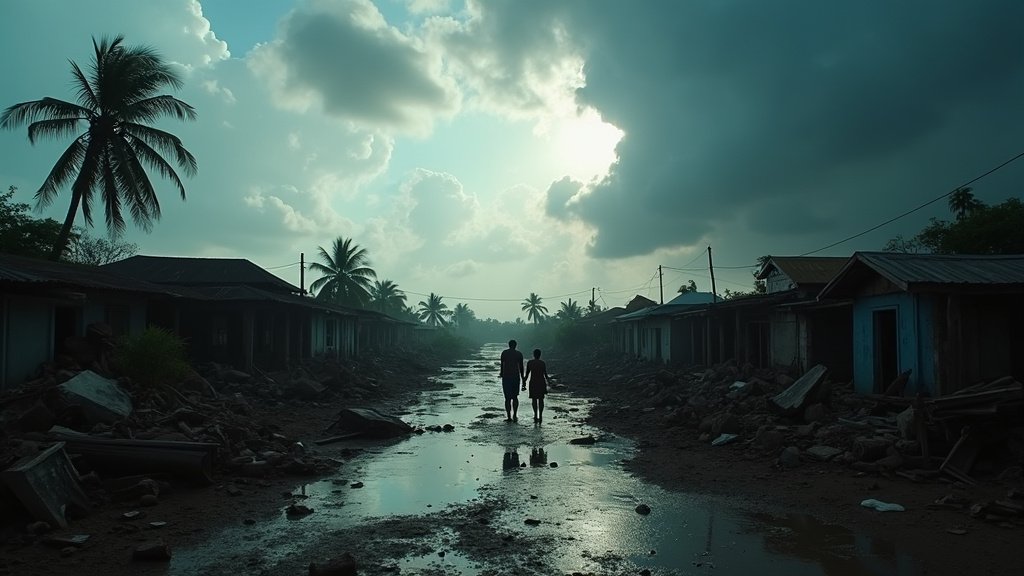
MIAMI, FL – November 20, 2025 – The Caribbean is grappling with the aftermath of Hurricane Melissa, a monstrous Category 5 storm that unleashed unparalleled devastation across multiple islands in late October and early November 2025. Rapidly intensifying from a tropical storm, Melissa made history as one of the most powerful hurricanes ever recorded in the basin, leaving a trail of catastrophic flooding, life-threatening storm surge, widespread destruction, and a severe humanitarian crisis in its wake.
The Genesis of a Monster: From Tropical Storm to Category 5 Fury
The 2025 Atlantic hurricane season, already marked by warmer-than-average sea surface temperatures, proved particularly dangerous with the emergence of Hurricane Melissa. What began as a tropical wave monitored by the U.S. National Hurricane Center (NHC) in late October transformed with alarming speed. By October 28, 2025, Melissa had escalated into a Category 5 hurricane, boasting sustained winds near 185 mph (295 km/h) and a central pressure of 892 millibars, making it a prime example of the intensified storm potential fueled by climate change. Data recorded by NOAA Hurricane Hunter airplanes revealed wind gusts reaching a record-breaking 252 mph shortly before landfall, underscoring the storm’s extraordinary power.
A Path of Unprecedented Destruction Across the Caribbean
Hurricane Melissa’s devastating trajectory swept across the Caribbean, impacting numerous islands with ferocious intensity. Its eye made landfall in Jamaica as a Category 5 storm on October 27th or 28th, before striking Cuba as a Category 3 hurricane on October 29th. The storm also inflicted severe damage on Haiti, the Dominican Republic, the Bahamas, and Turks & Caicos.
The NHC had issued crucial warnings and watches in the days leading up to the storm’s approach, with a hurricane watch initially posted for southern Haiti and a tropical storm watch for Jamaica. However, the storm’s rapid intensification and powerful wind field extended well over 100 miles from its center, signaling a broad and severe threat.
Unleashing Catastrophic Hazards: Flooding, Landslides, and Storm Surge
Hurricane Melissa unleashed a barrage of devastating hazards. Forecasters warned of catastrophic flash flooding and landslides across Haiti, the Dominican Republic, and Jamaica. In Jamaica, storm surge was predicted to peak as high as 13 feet along the southern coast, posing a life-threatening inundation risk. The storm dumped torrential rainfall, with projections indicating up to 30 inches on Jamaica and potentially 16 inches in western Haiti. Southern Haiti and the Dominican Republic faced the prospect of up to a foot of rain, with localized totals exceeding 15 inches in some areas.
This onslaught of water led to severe flash flooding, inundating communities and cutting off access to essential areas. Landslides, a significant threat in the region’s mountainous terrain, compounded the disaster, burying homes and infrastructure. The sheer scale of destruction to homes, businesses, and critical infrastructure left many islands in ruins.
A Region in Crisis: The Immense Humanitarian Toll
The impact of Hurricane Melissa has plunged vast areas of the Caribbean into a profound humanitarian crisis. In Cuba, over 735,000 people were evacuated from vulnerable coastal and low-lying areas, with an estimated 2.2 million people severely affected. Critical services such as electricity, water, and communication were severely disrupted, leaving approximately 450,000 people without safe drinking water.
Haiti, already struggling with widespread erosion and a severe food security crisis, faced the destruction of vital crops. Flooding obstructed access to farmland and markets, jeopardizing harvests and the winter agricultural season, exacerbating the plight of millions experiencing crisis-level hunger. In the Dominican Republic, the storm damaged over 750 homes, displacing more than 3,760 individuals. Access to at least 48 communities was severed, and more than half a million people were left without drinking water services.
Preliminary reports confirmed at least three fatalities in Haiti and one in the Dominican Republic, with others still missing. The long-term recovery for heavily impacted nations like Jamaica, Haiti, and eastern Cuba is expected to take years, with the restoration of power being a paramount challenge for rebuilding efforts.
Climate Change Amplifies Caribbean Vulnerabilities
Hurricane Melissa’s ferocity serves as a stark reminder of the escalating threats posed by climate change to the Caribbean region. Experts have long warned that rising sea surface temperatures provide more energy for tropical cyclones, leading to more frequent and intense storms. The Caribbean, despite contributing minimally to global greenhouse gas emissions, disproportionately bears the brunt of these climate-induced disasters, leading to increased displacement and severe economic hardship. The region has endured multiple major storms in recent years, with recovery efforts often strained by preceding events.
The Long Road to Recovery
As the immediate crisis subsides, the immense task of recovery and rebuilding begins. The scale of destruction necessitates coordinated regional and international aid to support affected populations and restore vital infrastructure. The news from the Caribbean today paints a grim picture of loss, but also highlights the resilience of its people as they face the daunting challenge of recovery. The vulnerability of small island nations to intensifying extreme weather remains a critical global concern, demanding urgent action to address the root causes of climate change. The official end of the 2025 Atlantic hurricane season is November 30th, but the repercussions of Hurricane Melissa will be felt for years to come.