
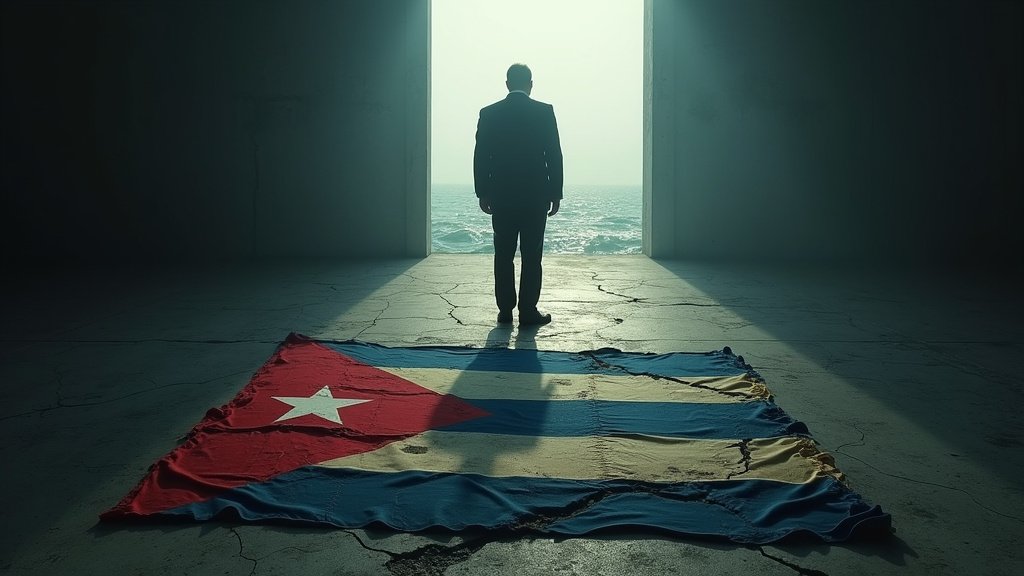
Cuba’s president declared no ongoing talks. This statement came Monday, January 12, 2026. Miguel Díaz-Canel spoke for his administration. He addressed relations with the United States. His words followed strong threats. President Donald Trump issued these threats. The threats targeted the Caribbean nation.
This U.S. action involved Venezuela. A significant military operation occurred there. It happened on January 3, 2026. This U.S. strike led to a key arrest. Venezuelan President Nicolás Maduro was captured. The operation also had tragic consequences for Cuba. Thirty-two Cuban officers died. They were on a mission in Venezuela. This was Cuba’s first official acknowledgement. The U.S. operation caused significant Cuban losses.
Following this, President Trump issued a warning. He urged Cuba to “make a deal.” This should happen “BEFORE IT IS TOO LATE.” Trump also declared a cutoff. Cuba would receive no more oil. It would also get no more money from Venezuela. This represented a severe blow. Venezuela had been a vital lifeline. Cuba received about 35,000 barrels of oil daily. This was before the U.S. attack. The situation creates deep concern. Experts believe Díaz-Canel is buying time.
President Díaz-Canel responded on X. He stated relations must be based on law. They must not involve hostility. Coercion and threats are unacceptable. Cuba always seeks dialogue. This dialogue requires sovereign equality. Mutual respect is essential. Non-interference is a core principle. These are the bases for progress. His statements were amplified by the foreign minister.
However, technical contacts do occur. These exchanges focus solely on migration. This is the only area of U.S.-Cuba dialogue. Such meetings happen twice yearly. They review existing migration accords. This highlights Cuba’s limited engagement scope. The country faces severe economic hardship. U.S. sanctions already cost billions. This crisis has worsened significantly. Fuel shortages are widespread. Blackouts plague the island daily. The loss of Venezuelan oil adds pressure. This deepens Cuba’s existing crises.
Cuba has historically sought dialogue. Previous administrations engaged Cuba. President Obama opened diplomatic ties. These ties faced later restrictions. Experts note Cuba’s difficult position. The current regional news highlights tension. The Caribbean faces new instability. Díaz-Canel’s firm stance continues. Cuba asserts its independence. It stands by its right to self-determination. The nation prepares to defend itself. Its resolve remains strong today.