
World News Today: A World in Turmoil Calls for Peace
Global attention focuses today on pressing world news. A fragile ceasefire has emerged in Syria. However, grave nuclear safety concerns persist in Ukraine. Meanwhile, children in Darfur face a desperate humanitarian crisis. These events highlight a world grappling with conflict and suffering. A renewed call for an Olympic Truce underscores the urgent need for global peace.
Syria Welcomes Fragile Ceasefire
The UN Commission of Inquiry on Syria welcomed a new ceasefire. It is an agreement between the Syrian Government and the Syrian Democratic Forces (SDF). This development offers a glimmer of hope for stability. Commission chair Paulo Pinheiro urged an end to hostilities. He stressed the critical need for civilian protection. Humanitarian access is also paramount. The agreement aims for peace and a sustainable resolution. It seeks to address urgent needs for food, water, and electricity. The UN also noted a presidential decree recognizing Kurdish rights. However, concerns linger over detainees. Thousands of children remain in camps and facilities. Investigators are looking into alleged abuses. These include killings and desecration of bodies. The fragile ceasefire marks a step toward reducing violence. It is a crucial moment for the region’s future. The EU and other European nations also welcomed the accord. They urged good-faith implementation for stability.
Ukraine’s Nuclear Shadows and Winter Hardship
The war in Ukraine continues to threaten global nuclear safety. The conflict, now entering its fifth year, remains a major concern. The head of the UN nuclear watchdog issued a stark warning. Director General Rafael Grossi highlighted risks to power supplies. Nuclear sites are vulnerable to nearby fighting. Attacks on Ukraine’s energy infrastructure are ongoing. These strikes undermine nuclear safety significantly. Substations vital for nuclear plants are targets. The Zaporizhzhya Nuclear Power Plant (ZNPP) is Europe’s largest. It remains under Russian forces’ control. IAEA teams monitor its conditions, especially in winter. Freezing temperatures pose unique challenges. Water in cooling systems must not freeze. Localized ceasefires have been negotiated for repairs. These efforts aim to ensure power supply. The Chernobyl Nuclear Power Plant site has also faced disruptions. Both Ukraine and Russia accuse each other of risking disaster. The war creates a dangerous environment around nuclear facilities.
Children Endure a Harsh Winter
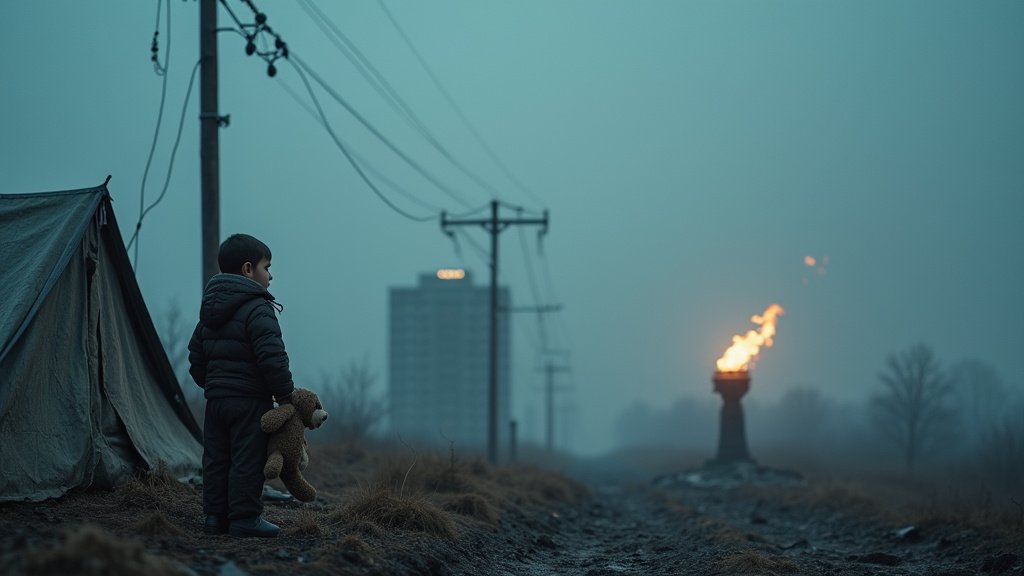
Millions of children in Ukraine face immense hardship today. Intense strikes devastate energy and water systems. Extreme sub-zero temperatures grip the nation. Families endure days without heating, electricity, or water. Children are in constant survival mode. Life in apartment buildings means staying safe from attacks. It also means surviving extreme cold. Darkness and freezing temperatures increase fear. They can worsen respiratory illnesses. Newborns and infants are most vulnerable. Hypothermia is a significant risk. Education is also severely disrupted. Schools have moved fully online. However, power outages hinder remote learning. UNICEF supports temporary tents. These offer warmth, hot food, and psychosocial aid. These spaces help families cope with anxiety. The conditions put children’s health at risk. It is a crisis within a crisis.
Darfur’s Silent Crisis for Children
Reaching children in Sudan’s Darfur region is incredibly difficult. Humanitarian access is fragile and hard-won. It takes days of negotiations and security clearances. Travel across shifting frontlines is also perilous. UNICEF describes children living on the brink. Sudan faces the world’s largest humanitarian crisis. Brutal conflict has raged for nearly three years. Millions have been displaced and face starvation. Hundreds of thousands shelter in makeshift towns. These cities are built from desperation and fear. Despite immense challenges, aid workers strive to reach children. They provide vaccinations and medical treatment. Safe water is restored to many. Temporary learning spaces offer some education. However, severe acute malnutrition is soaring. Millions of children risk famine. Disease is rampant as health systems collapse. A generation of children is out of school. This constitutes one of the world’s worst education crises. The situation demands urgent international attention. Humanitarian operations are painstaking and vital. They are the line between abandonment and reaching those in need.
The Olympic Truce: A Global Plea for Peace
Amid these global challenges, the Olympic Truce principle has been revived. The UN General Assembly called for “true mutual ceasefires.” This appeal spans the 2026 Olympic Winter Games. The ancient Olympic Truce ensured safe passage for athletes. Today, it serves as a plea for global peace. The truce calls for a cessation of hostilities worldwide. This pause begins before the Games and ends after the Paralympics. The UN backs this initiative with a General Assembly resolution. However, history shows the truce has a poor record. It has rarely succeeded in halting wars. Russia and Syria abstained from a UN vote on the truce. Russia invaded Ukraine shortly after supporting a previous truce. UN Secretary-General António Guterres views the Olympics as a symbol. He believes they can unite the world in peaceful competition. The truce offers a moral baseline. It reminds us of shared humanity. It inspires hope for a better future. This ancient ideal contrasts sharply with current realities. It highlights the world’s ongoing conflicts. It also underscores the persistent desire for peace.
Conclusion
Today’s world news presents a stark picture. A ceasefire in Syria offers localized hope. Yet, nuclear risks in Ukraine and the deep humanitarian crisis in Darfur loom large. These events demand global attention. The call for an Olympic Truce serves as a powerful reminder. It emphasizes the urgent need for peace and stability. The world faces complex challenges today. Addressing these requires sustained international cooperation and a commitment to humanitarian values.