
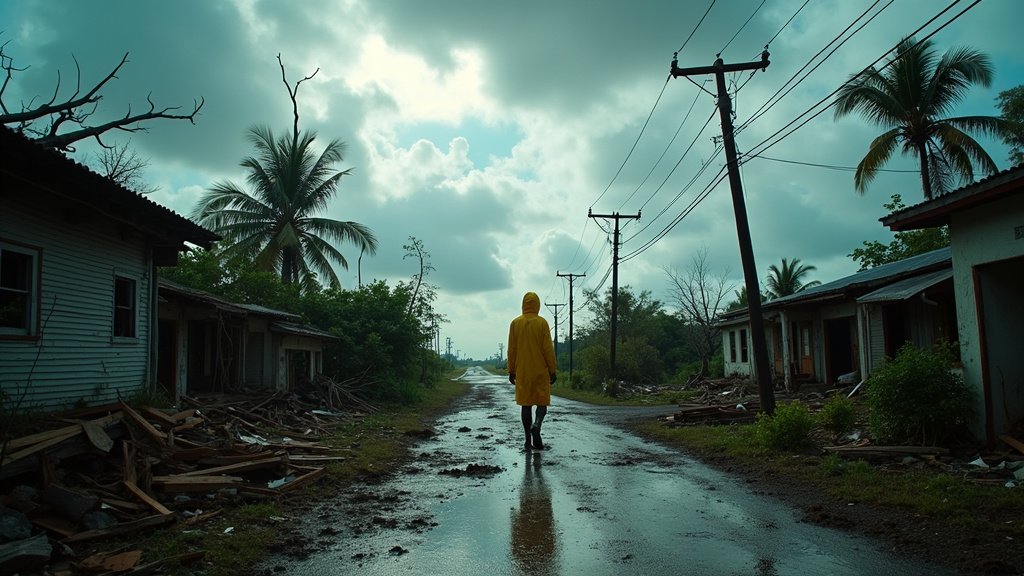
Hurricane Melissa, a catastrophic Category 5 storm, has inflicted widespread destruction across the Caribbean, leaving a trail of devastation in its wake. The powerful hurricane made landfall in Jamaica with unprecedented force, subsequently impacting Cuba and Haiti with severe flooding and landslides. As the region grapples with the immense aftermath, Jamaica has begun the process of reopening its key international airports, signaling the first steps towards recovery.
Melissa’s Unprecedented Fury
Forming in the central Caribbean Sea on October 21, 2025, Melissa rapidly intensified into one of the most powerful tropical cyclones globally in 2025. Reaching Category 5 status, it unleashed sustained winds of up to 185 mph (297 km/h) and generated record-breaking wind gusts, with one dropsonde measurement indicating a gust of 252 mph (406 km/h). Scientists have linked this extreme intensification to human-induced climate change, noting that warmer ocean temperatures significantly fuel such powerful storms. Studies suggest that climate warming made storms of Melissa’s magnitude approximately four to six times more likely and increased their wind speeds by up to 7%, turning a potentially devastating event into a catastrophic one.
Jamaica Reels from Catastrophic Impact
On October 28, Hurricane Melissa made its first landfall in Jamaica near New Hope, Westmoreland Parish, as a Category 5 hurricane – the strongest ever recorded to hit the island. The storm’s eyewall pummeled western Jamaica, causing widespread destruction, particularly in the parishes of Saint Elizabeth and Westmoreland. Entire communities were decimated, with homes, infrastructure, and agricultural lands suffering near-total obliteration. Reports indicate that tens of thousands of homes were damaged or destroyed, and an estimated 4.8 million tonnes of debris choked roadways, hindering access and recovery efforts.
Prime Minister Andrew Holness declared Jamaica a “disaster area” as the full scale of the damage became apparent. At least 32 people were confirmed dead across Jamaica, with many more missing and hundreds injured. Power outages plunged about 75% of the island into darkness, and telecommunications were severely affected, isolating many communities. The economic toll is staggering, with preliminary estimates placing the damage between US$8.8 billion and potentially over US$20 billion, significantly impacting the nation’s GDP and straining public finances. The tourism sector, a critical pillar of Jamaica’s economy, also suffered immensely, with widespread cancellations and damage to resorts and infrastructure.
Airports Reopen Amidst Urgent Recovery
In the immediate aftermath, Jamaica’s three international airports – Sangster International Airport (MBJ) in Montego Bay, Norman Manley International Airport (KIN) in Kingston, and Ian Fleming International Airport (OCJ) in Saint Mary Parish – suspended operations. However, by October 30-31, Kingston’s and Ian Fleming’s airports began resuming limited commercial and relief flights. Sangster International Airport, which sustained damage to several gates, also reopened for limited service, prioritizing returning residents and essential supply deliveries. While full operational capacity is expected by mid-December, the gradual reopening marks a crucial step in facilitating aid and restoring connectivity.
Relief efforts are in full swing, with the Jamaica Defence Force establishing operational hubs and distributing thousands of care packages and hot meals. International aid, including medical teams from the UK, search and rescue teams from the U.S., and substantial supplies from countries like the Cayman Islands and organizations like the UN World Food Programme and the International Organization for Migration, are providing critical support. Jamaica’s government has also launched a dedicated platform to mobilize support and coordinate recovery.
Cuba and Haiti Face Severe Consequences
Following its devastating passage through Jamaica, Hurricane Melissa weakened slightly but still made landfall in eastern Cuba on October 29 as a Category 3 hurricane. The storm brought torrential rains, up to 15 inches in some areas, causing catastrophic flooding, landslides, and significant damage to homes, infrastructure, and agriculture. While no deaths were officially reported in Cuba directly from Melissa, over 735,000 people were evacuated, and the country faces challenges with disrupted services and a worsening health crisis, including outbreaks of arboviral diseases exacerbated by floodwaters. Cuba’s economy, already facing hardship, was further strained by the storm’s impact.
Haiti, though not directly hit by the eyewall, experienced severe consequences from Melissa’s outer rainbands. Heavy rainfall triggered deadly flash floods and landslides, particularly in the southern and western regions. The death toll in Haiti has been reported as high as 45, with many others missing, and thousands of homes damaged or destroyed. The storm exacerbated existing vulnerabilities, with displacement and humanitarian needs escalating, including the urgent requirement for shelter, hygiene, clean water, and food.
A Call for Resilience and Climate Action
Across the Caribbean, the impact of Hurricane Melissa is estimated to have affected nearly six million people, with total regional economic losses projected to be between US$48 billion and US$52 billion. The destruction underscores the increasing threat posed by more intense and frequent extreme weather events, driven by climate change. As the affected nations embark on the long road to recovery, the need for sustained international support, climate-resilient infrastructure, and robust disaster preparedness remains paramount. The resilience displayed by the people of the Caribbean in the face of such overwhelming devastation is a testament to their spirit, even as the region confronts the stark realities of a changing climate.