
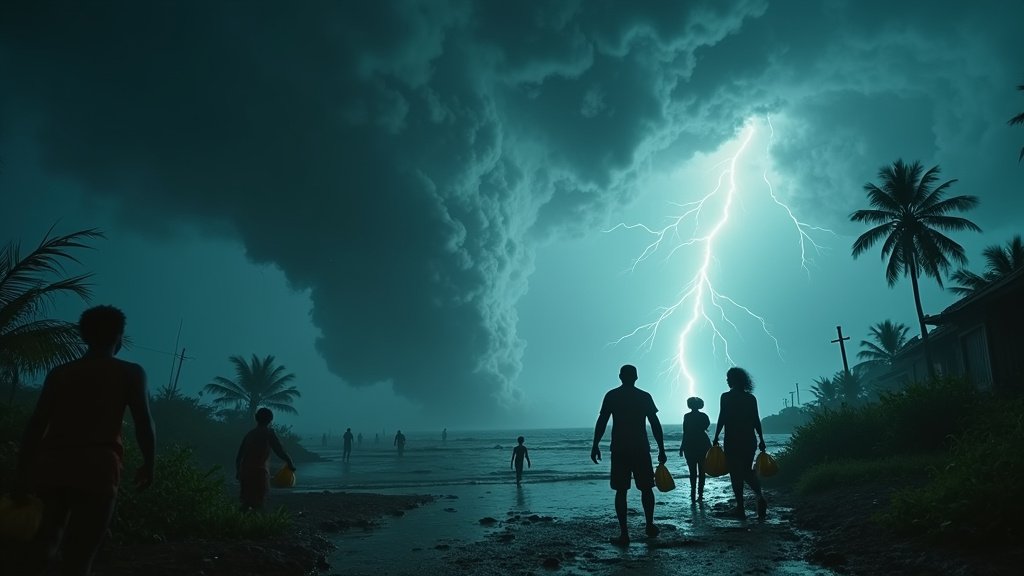
The island nation of Jamaica is still reeling from the catastrophic impact of Hurricane Melissa, a powerful Category 5 storm that made a direct landfall on October 28th, unleashing widespread devastation across its landscape. While the immediate fury of the storm has passed, the arduous process of recovery and relief is in full swing, illuminating the spirit of resilience within Jamaican communities and drawing support from national and international circles. This unfolding news story highlights the persistent vulnerabilities of Caribbean nations to extreme weather events and the critical need for robust disaster preparedness and sustainable development strategies.
The Unrelenting Force of Hurricane Melissa
As Hurricane Melissa intensified into a monstrous Category 5 storm, its trajectory set a devastating course for Jamaica. The hurricane made landfall on October 28, bringing with it not only torrential rainfall and destructive winds but also triggering significant storm surges that battered coastal areas. Initial reports painted a grim picture of widespread damage to homes, critical infrastructure, agricultural lands, and public utilities. Power outages were extensive, disrupting communication and daily life for vast swathes of the population. The agricultural sector, a vital component of Jamaica’s economy and food security, suffered particularly heavy losses, with crops and livestock destroyed, exacerbating immediate needs for food aid.
Mobilizing in the Face of Adversity
In the wake of the disaster, a multi-faceted relief effort has rapidly mobilized across Jamaica. The urgency to provide essential supplies, including food, clean water, shelter, and medical assistance, is paramount. The response has seen a remarkable convergence of efforts from governmental bodies, local communities, non-governmental organizations, and prominent figures within Jamaica’s vibrant cultural scene. These collective actions underscore the deep-seated sense of solidarity that defines Jamaican society during times of crisis.
Celebrity-Led Initiatives and Community Support
Jamaican celebrities and content creators have stepped forward, leveraging their platforms and resources to galvanize support for affected communities. Dancehall artist Masicka, through his MADE Foundation, has spearheaded a significant relief initiative. This foundation has been actively distributing much-needed aid to hurricane victims, with a particular focus on communities in St. Elizabeth that bore the brunt of the storm’s impact. The efforts are not just about immediate material support but also about providing a beacon of hope and solidarity. The Jamaica Observer’s ‘Page 2’ section, known for its coverage of society and lifestyle, has been instrumental in spotlighting these resilience efforts, amplifying the stories of those helping and those in need, thereby fostering greater public engagement and awareness. This focus on community and individual acts of kindness resonates deeply within the broader Caribbean context, where mutual aid is often a critical component of disaster recovery.
Broader Regional Impact and Relief
While Jamaica bore the immediate and most severe impact, the extended reach of Hurricane Melissa has also necessitated relief operations in neighboring countries, including Haiti and the Dominican Republic. The shared vulnerability of the Caribbean region to the intensifying forces of climate change means that a disaster in one nation often requires a coordinated response across the archipelago. International aid organizations and regional bodies are working in tandem with local authorities to assess needs and deliver assistance across the affected areas, ensuring that relief reaches as many people as possible.
Conversations on Resilience and the Future
The devastating passage of Hurricane Melissa has reignited critical discussions about resilience and sustainable development throughout the Caribbean. Experts and policymakers are emphasizing the urgent need for nations in the region to strengthen their collective preparedness and adaptive capacities. A recent regional infrastructure conference highlighted the importance of investing in climate-resilient infrastructure, early warning systems, and disaster risk reduction strategies. The conversation extends beyond physical infrastructure to include socio-economic resilience, focusing on diversification of economies, sustainable land use, and community-based adaptation planning. The long-term recovery for Jamaica, and indeed the wider Caribbean, will depend not only on immediate aid but also on systemic changes that enhance the ability of these island nations to withstand and recover from increasingly severe weather phenomena.
The Road to Recovery
The path to full recovery for Jamaica will undoubtedly be long and challenging. The immediate focus remains on providing humanitarian assistance to the most vulnerable populations and beginning the process of rebuilding damaged infrastructure. However, the response to Hurricane Melissa also offers a powerful testament to the strength, determination, and generosity of the Jamaican people and their diaspora. As relief efforts continue, the focus is shifting towards long-term rebuilding strategies that will not only restore what was lost but also build a more resilient future for the island and the wider Caribbean region in the face of a changing climate. The news from Jamaica serves as a stark reminder of the human cost of climate-induced disasters and the unwavering importance of collective action and sustainable adaptation.