
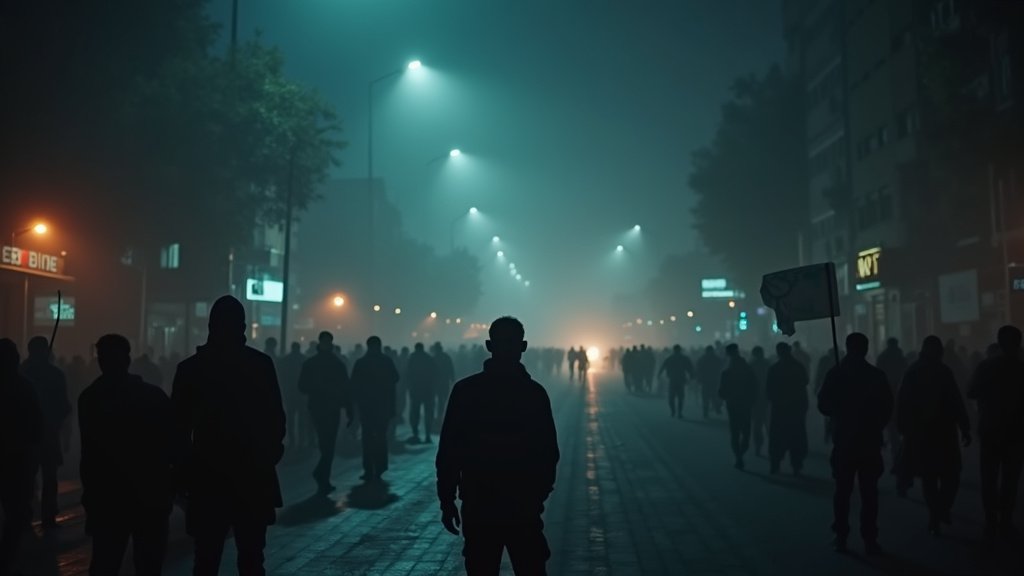
Protests are sweeping across Iran. They are nearing the two-week mark. The government has intensified its crackdown. This marks a significant challenge. It is the largest uprising in years. The unrest began in late December 2025. It was initially sparked by economic woes. A collapsing rial fueled anger. Soaring inflation made life difficult. Prices for basic goods rose sharply. Many Iranians could not afford essentials. This economic crisis is severe. It has created widespread discontent. Markets and bazaars have shut down. This indicates deep public frustration. The protests quickly spread nationwide. They evolved beyond economic issues. People are now calling for political change. They demand an end to the regime. Slogans target the Supreme Leader. Some even call for the monarchy’s return. This signals a deeper crisis. It is a challenge to legitimacy. Global attention is focused on Iran today. The world watches this unfolding news.
Government’s Escalating Repression
The government’s response has been harsh. Security forces are using excessive force. Reports confirm live ammunition use. Rifles and shotguns are employed. This has led to many casualties. Human rights groups document widespread arrests. Thousands have been detained. The crackdown is intensifying daily. Official state media acknowledges security force losses. However, it portrays control over the nation. Supreme Leader Ayatollah Ali Khamenei spoke out. He called protesters “vandals” and “saboteurs.” He blamed foreign powers for instigating unrest. He specifically mentioned U.S. President Trump. Khamenei vowed the government would not back down. He warned of severe punishment. His remarks signaled a harder line. Iran’s judiciary chief echoed this. He promised decisive, maximum punishment. No legal leniency would be shown. This stance sets the stage for more violence. It mirrors past crackdowns.
A Blackout Hinders Information
Authorities imposed a nationwide internet shutdown. Phone lines were also cut. This happened around January 8, 2026. The blackout is unprecedented in its scale. Experts call it the worst in Iran’s history. It severely limits communication. Reporting from abroad is much harder. This shutdown hides human rights violations. It shields the government’s actions. Access to information is a basic right. This action violates that right. It prevents documentation of abuses. Amnesty International and others condemn this. They view it as a human rights violation itself. Some reports suggest Starlink was affected. This satellite service was a lifeline before. The digital darkness conceals the truth. It is a deliberate tactic by the regime. It seeks to suppress dissent. It aims to prevent evidence from spreading. However, some internal government sites remain active. This allows some state-controlled news to disseminate.
Scale of Casualties and Detentions
The human cost is mounting daily. Reports indicate a rising death toll. Figures vary, but are alarmingly high. At least 65 people have been killed. Some reports suggest over 200 deaths in Tehran alone. These numbers are not independently verified. Eight children are among the dead. Hundreds more protesters have been injured. Widespread arrests have occurred. Over 2,300 people are detained. These numbers are from U.S.-based human rights agencies. Iran Human Rights NGO reports similar figures. They emphasize the daily increase in violence. The scope of the crackdown is expanding. Security forces are reportedly overwhelmed in places. This suggests the protests are widespread. They challenge the regime’s ability to control them. The international community is watching closely.
International Reactions and Warnings
Foreign governments have reacted strongly. The U.S. has voiced clear support. Secretary of State Marco Rubio affirmed this. President Donald Trump issued stern warnings. He pledged U.S. intervention if protesters were killed. He vowed to hit Iran “very hard.” This rhetoric carries weight for many. It provides encouragement to some protesters. However, Iran dismissed these warnings. Khamenei accused Trump of interference. He said Trump should focus on his own country. Other nations expressed deep concern. Australia, Canada, and the EU issued a joint statement. They condemned the killings and violence. They urged Iran to respect rights. They called for restraint. The UN Human Rights Chief is disturbed. He called for an investigation. He stressed accountability for violations. Israel also expressed solidarity. Its intelligence agency showed support. Neighboring countries monitor the situation. The global community views this news with concern. The world is aware of the events today.
Underlying Grievances and Context
These protests are the largest since 2022. They follow the “Woman, Life, Freedom” movement. That movement was sparked by Mahsa Amini’s death. Economic hardship is a key driver. But deeper issues fuel the unrest. Authoritarianism is a major grievance. Human rights abuses are widespread. Political corruption is a concern. Mandatory hijab laws are also a point of contention. Ethnic and religious discrimination exist. The protests combine economic anger with political demands. This signals a profound crisis of confidence. It is more than just material grievances. It is a challenge to the system itself. The speed of escalation is notable. It shows eroding social patience. Elite fragmentation may also play a role. The post-war context adds sensitivity. This wave differs from past unrest. It blends economic and political challenges. It represents a distinct phase. Many see it as a potential endgame. The future remains uncertain. However, the situation is critical today.