
Rubio Defends Maduro Ouster to Caribbean Leaders Amidst Policy Concerns and Regional Tensions
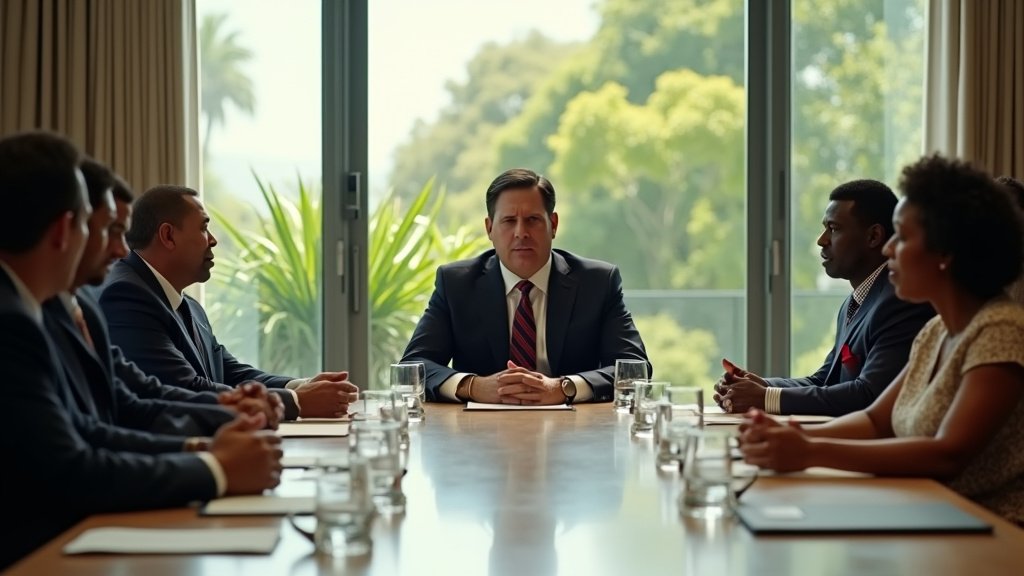
U.S. Secretary of State Marco Rubio met with Caribbean leaders today. He defended a recent U.S. military operation. This operation led to the capture of Venezuelan President Nicolás Maduro. The meeting took place in St. Kitts and Nevis. Many Caribbean leaders voiced concerns. Rubio insisted the region is better off now.
A Region of Growing Concerns
The gathering occurred amid broader U.S. policy shifts. These shifts impact the Caribbean directly. Heightened U.S. pressure on Cuba was a major point. The Treasury Department issued new guidance. This guidance aimed to ease some fuel shipment restrictions to Cuba. However, tensions remained high. Cuba announced a deadly incident. Its forces killed four individuals. They were on a U.S. speedboat. This vessel entered Cuban waters. It then opened fire on border agents. Rubio stated he was aware of the incident. U.S. authorities would investigate. This news emerged today.
Defending the Maduro Ouster
Rubio met with leaders of the Caribbean Community (CARICOM). He defended the operation that removed Maduro. This happened on January 3, 2026. Many Caribbean nations objected. They questioned the legality of the U.S. action. Rubio dismissed these concerns. He stated Venezuela is improved. He said this is true compared to eight weeks prior. The U.S. military operation led to Maduro’s capture. He now faces charges in the U.S.. Rubio claimed interim authorities made “substantial” progress. This progress was in improving conditions. Things unimaginable weeks earlier were achieved.
Caribbean Leaders’ Objections
CARICOM leaders expressed unease. They worried about U.S. actions. Many felt ignored by Washington. President Trump’s approach was seen as assertive. He focused on the Western Hemisphere. This was part of a new Monroe Doctrine. Leaders expressed concerns about regional stability. They feared spillover effects. Migration increases were a key worry. Some leaders felt U.S. policies were imposed. They disliked demands to accept deportees. They also disliked pressure on relations with China.
Broader Regional Security and Policy
Rubio also discussed regional security. He focused on transnational criminal organizations. He noted these groups are heavily armed. They traffic drugs through the region. Rubio acknowledged a problem. Many weapons come from the U.S.. U.S. law enforcement is working to stop this. The Caribbean Basin Security Initiative (CBSI) is active. It supports counter-drug efforts. It also targets firearms trafficking.
U.S.-Cuba Tensions and the Speedboat Incident
The meeting happened amidst new U.S.-Cuba friction. On February 25, 2026, Cuba reported an incident. A Florida-registered speedboat entered its waters. Cuban forces said the boat’s occupants opened fire. Cuban soldiers returned fire. This killed four people. Six others were wounded. The speedboat was allegedly carrying armed individuals. Cuba claims they had terrorist purposes. They seized rifles and other gear. Rubio confirmed he knew of the event. He stated U.S. authorities would investigate. He sought to verify victims’ identities.
The U.S. Treasury Department issued new guidance. This eased some restrictions on fuel shipments to Cuba. This occurred after the U.S. moved against Venezuela. Venezuela stopped crucial oil shipments to Cuba. This worsened Cuba’s economic crisis. The island faced fuel shortages. Rolling blackouts became common. Caribbean leaders worried about this. They feared wider instability.
Economic and Energy Security
Rubio emphasized partnership opportunities. He spoke of economic advancement. Energy security was a key topic. The U.S. wants to be a partner. This involves exploring energy resources. The Caribbean Energy Security Initiative (CESI) is ongoing. It aims to boost energy security. It promotes sustainable economic growth. CESI attracts investment. It focuses on governance and finance. The U.S. provides technical aid. This helps create better policy frameworks. Finance is also crucial. U.S. development finance catalyzes investment.
Rubio linked regional prosperity to U.S. security. He stated shared opportunities and challenges exist. He wants to confront these together. A stable, free Venezuela could aid the region. It could be an asset for energy needs. It would reduce instability.
Looking Ahead
The meeting highlighted U.S. policy. It also showed regional concerns. Rubio defended U.S. actions. He stressed partnership. However, CARICOM leaders voiced objections. The U.S. intensified its focus on the Western Hemisphere. This has led to significant regional developments. Drug interdiction remains a key focus. Energy security is also vital. The dynamics of U.S.-Caribbean relations continue to evolve. News from the region today shows these ongoing shifts.