
Russian and Venezuelan foreign ministers voiced deep concern. They spoke on Monday, December 22, 2025. Their focus was US actions in the Caribbean Sea. These actions escalate regional tensions. They also threaten international shipping. This news is making waves today.
Sergei Lavrov represented Russia. Yvan Gil represented Venezuela. Both ministers expressed grave worry. They shared this in a phone conversation. The United States is increasing its presence. This activity is causing alarm. US forces have conducted strikes. These targeted alleged drug-trafficking boats. This has happened since September 2025. Over 100 people have died. Families say some were fishermen.
More recently, US forces seized two oil tankers. They were pursuing a third ship. These actions have intensified pressure. They target Venezuela’s oil sector. President Trump ordered a blockade. This targets sanctioned oil vessels. They sail to and from Venezuela. The US claims this funds “drug terrorism.” It also funds “human trafficking, murder and kidnapping.” Trump also stated the US wants Venezuela’s oil back.
Russia reiterated strong support for Venezuela. Lavrov affirmed Moscow’s solidarity. This is vital in the current context. Venezuela views these US moves as “international piracy.” They fear regime change is the goal. The diplomatic show signals Moscow’s intent. It aims to counter US influence. Russia seeks to maintain its foothold. This happens in Latin America. Washington sees this as its sphere. Framing US actions as escalation helps Russia and Venezuela. They portray the US as the aggressor. This may gain sympathy. Other Global South nations might agree.
Russia and Venezuela agreed on actions. They will coordinate on international platforms. The United Nations is a key venue. They will uphold state sovereignty. Non-interference in internal affairs is crucial. Venezuela requested a UN Security Council meeting. Russia and China backed this request. The meeting addresses “ongoing US aggression.”
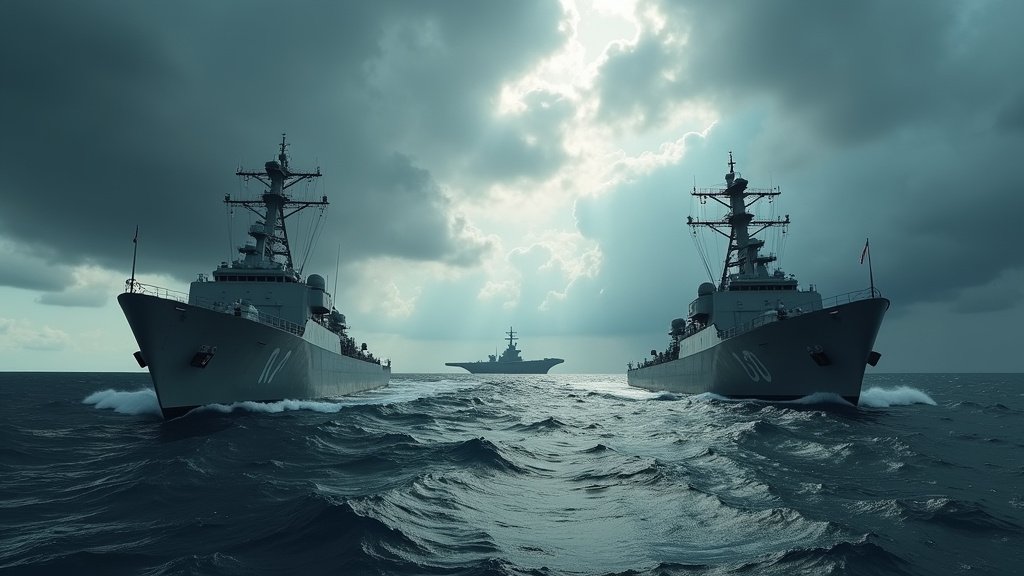
The US has increased its military presence. Troops and equipment moved south. This boosts US firepower. It supports possible military action. The USS Gerald R. Ford carrier group arrived. The USS Iwo Jima group is also present. This is a significant military buildup. It’s the largest in decades. US officials confirmed the goal. It is to oust President Maduro. The US ambassador to the UN vowed action. They aim to deprive the regime of resources.
US forces deployed new assets. F-35 fighters arrived. Intelligence aircraft are also there. Electronic warfare platforms are active. This signals an escalation. It tightens control over sea and air. The US Southern Command oversees this. These movements are described as routine. However, the scale is unprecedented. The US holds overwhelming advantages. This raises the deterrent effect. It also risks miscalculation.
The consequences for the region are significant. Tensions are rising. The actions threaten international shipping. Energy transport routes are affected. Market prices react to uncertainty. This creates price volatility. Insurance premiums might increase. Alternative routes could raise costs.
Venezuela’s parliament approved a treaty. It solidifies a strategic partnership with Russia. This highlights their alliance. It strengthens existing ties. Areas include defense, energy, and technology. This treaty signals peace and sovereignty. It upholds international law. It supports self-determination. This alliance is a message. It comes amid US threats. Venezuela has conducted military exercises. They use assets like Russian-made jets.
Russia itself faces its own challenges. It is involved in the Ukraine war. Some question its capacity. Yet, Moscow publicly backs Caracas. This strengthens Venezuela’s diplomatic stance. It helps counter US pressure. Russia has supplied equipment and advisors. This support props up the Maduro government. This strengthens the alliance. It complicates US isolation efforts.
The situation could spiral into conflict. China also condemned the US blockade. It called the seizure of ships illegal. This action violates international law. Russia warned of a dangerous precedent. It called the blockade an “act of aggression.” Moscow views it as a test case. It could become a template. This is for future interventions. Russia presents itself as a defender. It supports a rules-based order. This contrasts with US unilateralism. The UN confrontation shows proxy nature. A domestic struggle became a flashpoint. This is a great power rivalry. The fate of the Maduro government hangs in the balance.
Caracas has expressed willingness for dialogue. They offer cooperation on drug trafficking. They also aim to combat terrorism. Washington’s response has been deaf ears. It obstinately embraces destructive policy. The US focus remains economic pressure. This targets Venezuela’s oil. Military options still exist. However, the primary goal is economic. This seeks the outcome the White House wants. The regional news today focuses on these developments. The Caribbean is a key stage.
This news today involves deep concerns. Russia and Venezuela unite. They stand against US actions. The Caribbean region watches closely. The international stage is set. The United Nations will discuss this. Future actions remain uncertain. The geopolitical landscape is shifting. Stability in the Caribbean is key.