
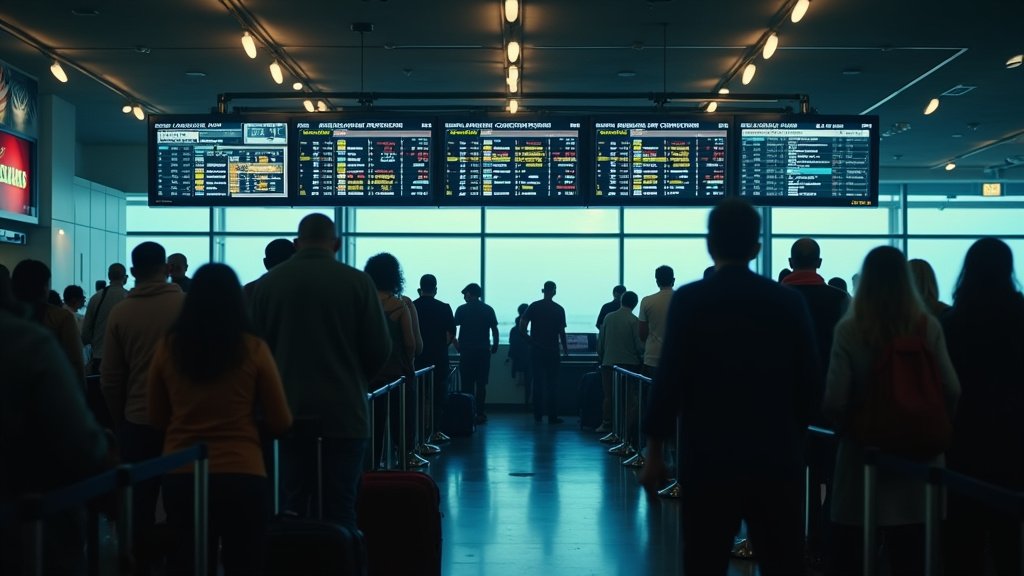
WASHINGTON D.C. – The reverberations of a recent U.S. government shutdown have cast a long shadow over the skies, sparking significant concerns for the vital Caribbean tourism industry. As air traffic controllers and other essential federal workers grappled with unpaid furloughs, the Federal Aviation Administration (FAA) was compelled to implement drastic measures, including reducing flights at major U.S. airports. These disruptions, while seemingly distant, pose a direct threat to the seamless travel experience many Americans seek in the Caribbean, impacting flight availability and potentially leading to increased costs.
FAA Orders Flight Reductions Amidst Controller Strain
The shutdown’s impact on the U.S. aviation system became acutely visible as air traffic controllers, designated as essential personnel, continued to work without pay. This situation led to mounting fatigue, increased absences, and significant strain on the national airspace system. In response, the FAA issued orders mandating airlines to reduce flight schedules at 40 of the nation’s busiest airports. These reductions began modestly, with initial cuts of 4% of domestic flights, but were planned to escalate progressively, potentially reaching up to 10% over a week.
The FAA’s primary justification for these flight limitations was rooted in safety concerns, aiming to mitigate risks associated with an overworked and underpaid air traffic controller workforce. The agency acknowledged that chronic understaffing and aging technology had already left the aviation system vulnerable, making it even more susceptible to disruptions during federal funding lapses.
Gateway Airports and the Ripple Effect on Caribbean Journeys
Many of the airports subjected to these flight reductions are critical gateways for travelers heading to the Caribbean. Hubs like Miami International Airport, Hartsfield-Jackson Atlanta International Airport, and John F. Kennedy International Airport in New York serve as vital transit points for passengers originating from various U.S. cities and connecting to popular Caribbean destinations such as Jamaica, Barbados, and Antigua and Barbuda.
While international flights to the Caribbean remained largely unaffected in terms of direct cancellations, the real disruption stemmed from the impact on domestic short-haul flights. Airlines began trimming these routes, particularly those within states and connecting to major hubs, creating a domino effect that could complicate or delay journeys to island nations. For travelers originating from the West Coast or other inland regions, securing timely connections through these affected airports became a significant challenge.
Passenger Impact and Economic Stakes for the Caribbean
The immediate consequences for travelers included thousands of flight cancellations and delays across the country. While airlines made efforts to rebook affected passengers, many faced longer wait times, unexpected layovers, and the potential for increased costs for alternative flights. This uncertainty and disruption could significantly affect holiday travel plans and consumer confidence.
For the Caribbean, where tourism is a cornerstone of its economy and lifestyle, these travel disruptions translate directly into economic risk. A significant portion of visitors to the region hail from the United States, and any impediment to their ability to travel can lead to a noticeable decline in tourist arrivals. Some reports indicated a sharp drop in U.S. visitors to certain Caribbean destinations in October 2025, partly attributed to these travel uncertainties. The industry relies on consistent visitor flow, and disruptions to this stream can impact everything from hotel bookings and restaurant patronage to local employment and foreign exchange earnings.
A System Under Scrutiny and the Path to Recovery
The government shutdown, which ended around November 12, 2025, brought a sense of relief, but the aviation system’s recovery was not instantaneous. The FAA began lifting its emergency flight reduction orders as staffing levels improved and safety margins were restored. However, the underlying vulnerabilities within the U.S. aviation infrastructure remain a subject of concern. Experts and industry leaders have highlighted that the system was already operating under strain due to staffing shortages and outdated technology even before the shutdown added further pressure.
Calls for systemic reform, such as ensuring the FAA has automatic access to its trust fund during future budget impasses, have grown louder. The aim is to prevent essential operations, including air traffic controller pay, from being held hostage by political stalemates in the future. The recent events underscore how interconnected the U.S. federal budget process is with the daily lives and leisure pursuits of millions, including those planning a Caribbean lifestyle escape.
As the immediate crisis subsided and flight restrictions were lifted, the aviation industry began the process of normalizing operations. Nevertheless, the shutdown served as a stark reminder of the fragility of critical infrastructure and the potential for political dysfunction to disrupt not only domestic life but also international travel and the economies that depend on it. Travelers looking towards the Caribbean and other international destinations may still need to exercise patience and flexibility as the system fully rebounds, and the long-term implications for aviation funding and operational resilience continue to be debated.