
A new report shines a harsh light on gun violence in the Caribbean. It identifies the United States as a primary source of illegal firearms. This trafficking fuels a surge in crime. Violence is rising across the region. The “Pathway to Policy: Firearms Trafficking and Public Health in the Caribbean” report offers stark findings. It was released by major regional and international organizations. These groups include CARICOM IMPACS and the Small Arms Survey. The news today highlights a critical issue.
The Report’s Central Findings
The report details how firearms from the U.S. are devastating Caribbean nations. These weapons are linked to increased violence. This includes child recruitment into gangs. Hospital shootings are also on the rise. The proliferation of these guns fuels this crisis. In fact, the United States is a significant contributor. It is the main source of illegal firearms.
Startling Statistics Emerge
Analysis shows a clear pattern of illegal gun shipments. Between 2017 and early 2025, at least 27 of 29 reported illegal firearm shipments were seized. All these shipments originated from the United States. This data comes from various Caribbean ports. Traffickers in Florida and Georgia are key sources. These two states supplied nearly 70% of firearms. These weapons were seized in six Caribbean countries. These countries include the Bahamas and Jamaica. Other research confirms these trends. One study found 73% of firearms recovered in the Caribbean between 2018 and 2023 traced back to the U.S.. Another found 81% of guns seized in Trinidad and Tobago from 2021-2024 came from the U.S..
The Human Cost of Trafficking
These trafficked firearms have dire consequences. Caribbean nations do not manufacture guns. Their gun laws are often strict. Yet, they face some of the world’s highest murder rates. These rates are often driven by gun violence. Handguns form the majority of seized weapons. However, there is also a rise in AR- and AK-pattern rifles. High-capacity magazines are also frequently seized. These weapons enable more lethal criminal activity. They contribute to the region’s public health emergency.
How Guns Reach the Islands
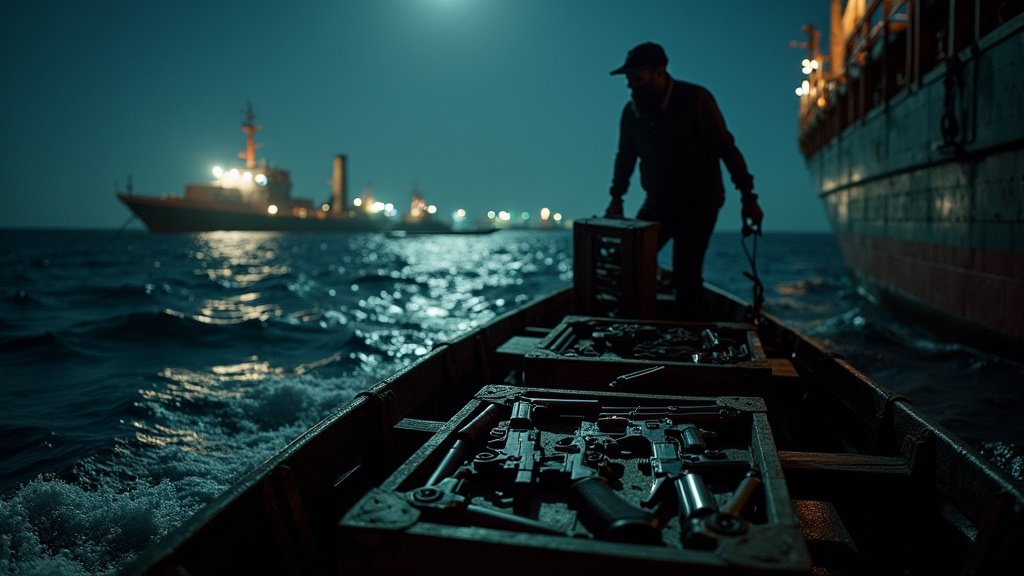
Most trafficking occurs via maritime shipping. Criminals smuggle guns through seaports. They use small boats and commercial vessels. Weapons are also concealed in cargo. Items like cars and household goods hide firearms. Guns are often purchased legally in the U.S. These are then trafficked. Illegal markets also play a role. A gun costing $350 in the U.S. can sell for $1,600 illegally.
Regional Calls for Action
Caribbean leaders have long voiced concerns. They point to U.S.-made guns fueling their crime waves. The report urges the United States to act. It calls for stronger supervision of gun exports. Enhanced port inspection efforts are also recommended. These measures could curb arms smuggling.
U.S. Efforts and Future Steps
U.S. agencies are involved in counter-trafficking efforts. The Caribbean Basin Security Initiative funds training programs. The Bureau of Alcohol, Tobacco, Firearms and Explosives (ATF) traces seized firearms. The U.S. government appointed its first coordinator for Caribbean firearms prosecutions in mid-2023. Recent legislation, like the Bipartisan Safer Communities Act, increased penalties for trafficking. However, the report suggests more needs to be done. Strengthening screening at U.S. ports is vital. Holding smugglers accountable is essential. The news from this report underscores shared responsibility.
A Growing Crisis
The “Pathway to Policy” report paints a grim picture. It shows a clear link between U.S. firearms and Caribbean violence. Addressing this issue is crucial for regional stability. It is also vital for public health. The report provides data for policy decisions. It aims to guide lawmakers. This collaboration is key to combating the problem. The current situation demands urgent attention. It is a matter of grave concern for the entire hemisphere. The regional news today demands a strong response. This complex problem requires sustained effort. It will protect communities across the Americas. This is a critical development for regional news.