
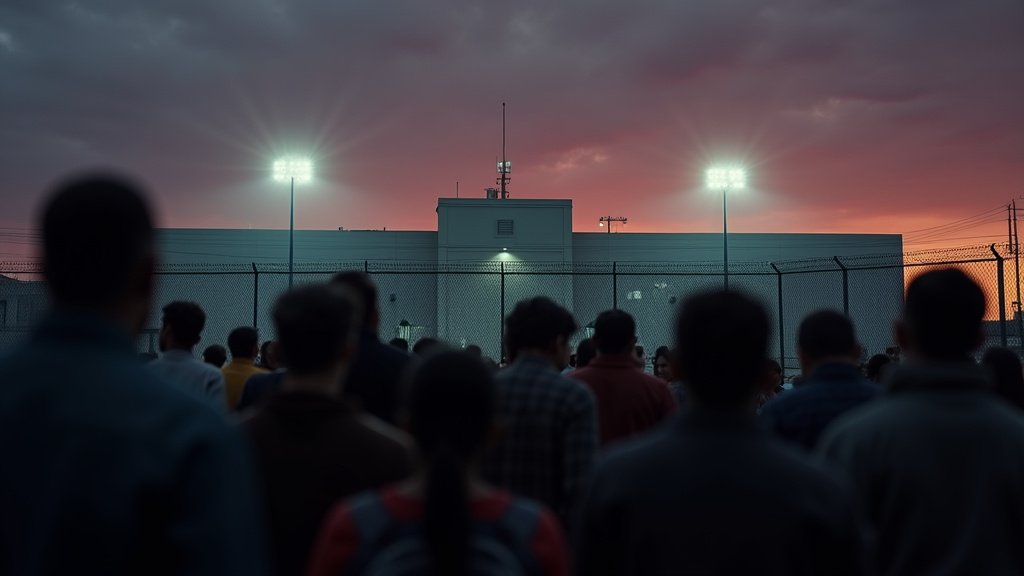
GENEVA – The United Nations’ top human rights official voiced grave concerns today. Volker Türk decried the “growing dehumanisation” of migrants in the United States. He warned that US immigration practices undermine basic dignity. This news comes amid a sharp rise in deaths within US Immigration and Customs Enforcement (ICE) custody. Furthermore, the US has paused immigrant visa processing for 75 countries. Many of these nations are in the Caribbean.
UN Official Denounces US Enforcement Tactics
Volker Türk, the UN High Commissioner for Human Rights, expressed deep alarm. He stated that individuals are being surveilled and detained. This often happens violently. Locations range from hospitals to schools and homes. The UN rights chief called these actions “routine abuse and denigration.” He questioned the lack of concern for human dignity. Furthermore, he noted that fear grips communities. Children miss school and medical care. This is out of fear that parents might not return. Officials vilify or threaten peaceful protesters. Some even face arbitrary violence. Türk stressed that national governments must enforce laws legally. Failure to respect due process erodes trust. It also weakens institutional legitimacy. The UN official also condemned the use of broad enforcement operations. He noted the use of unnecessary or disproportionate force. This is a serious human rights concern.
ICE Custody Deaths Reach Alarming Levels
The number of deaths in ICE custody is increasing. At least 30 people died in ICE detention during 2025. This marks the highest total in over 20 years. Another six have died in early 2026. One death in Texas was ruled a homicide. This trend coincides with fewer ICE facility inspections. In 2025, inspection reports dropped by over 36%. Critics warn this lack of oversight invites more deaths. They predict this grim trend will continue. The UN rights chief called for investigations. He specifically asked for probes into the rising death toll.
US Pauses Immigrant Visas for 75 Nations
The US Department of State paused immigrant visa processing. This action began on January 21, 2026. It affects 75 countries worldwide. Eleven of these nations are part of the Caribbean Community (CARICOM). Affected CARICOM countries include Antigua and Barbuda, Bahamas, Barbados, Belize, Dominica, Grenada, Haiti, Jamaica, Saint Kitts and Nevis, Saint Lucia, and Saint Vincent and the Grenadines. This pause targets immigrant visas. It aims to prevent those likely to use public benefits from entering. The measure does not impact non-immigrant visas. These include visas for tourism or temporary work.
Caribbean Nations Seek Clarity and Exemptions
Caribbean governments are actively seeking clarification. They are also working to secure exemptions from Washington. Many nations reported not receiving formal notification. Officials rely on media reports and diplomatic outreach. The Bahamas’ Foreign Affairs Minister noted the US Embassy’s statement. Saint Vincent and the Grenadines officials are also pursuing diplomatic channels. Some leaders view these policy shifts as a turning point. They urge calm amidst regional anxiety.
Broader Enforcement and Rhetoric
These immigration actions occur amid a larger crackdown. The US has deployed thousands of federal officers. This has led to tense protests. Reports detail significant enforcement operations. Federal agents have used force that appears unnecessary. The administration’s rhetoric often vilifies migrants. This portrayal fuels xenophobic hostility and abuse. The UN official warned against such tactics. They seek to distract and divide. He urged leaders to uphold international law.
Call for Human Dignity and Due Process
UN High Commissioner Volker Türk made a direct call to the US. He urged the administration to end family separation practices. He stressed that migration policies must respect human dignity. They must also uphold due process rights. The UN’s involvement brings increased international scrutiny. This could prompt congressional oversight and investigations. The news today highlights critical issues. These involve migrant treatment and border policies. The situation demands careful attention and adherence to human rights.