
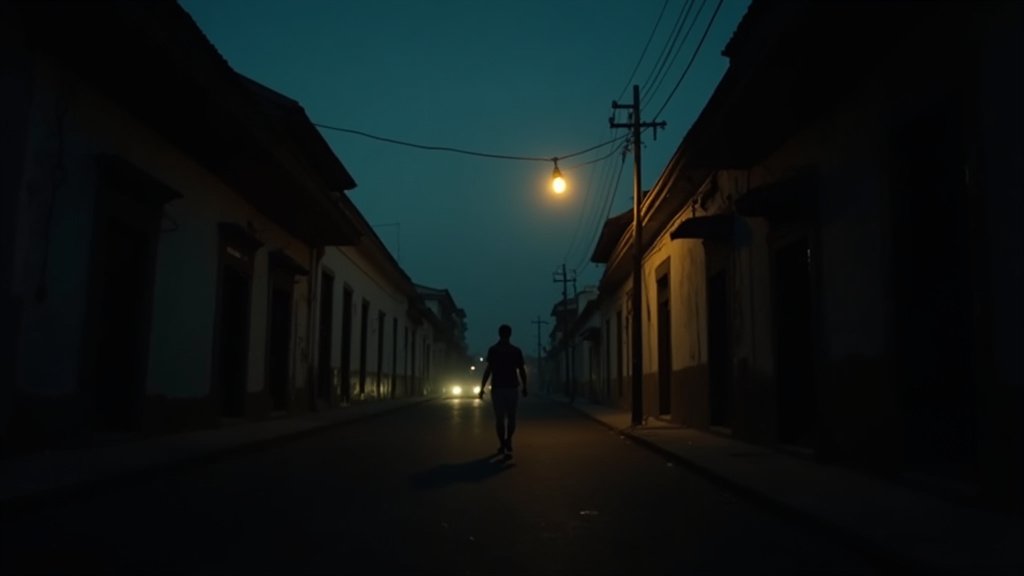
Cuba faces a dire crisis today. The island nation grapples with severe energy shortages. Widespread blackouts plunge cities into darkness. Food scarcity is a growing concern for millions. This escalating situation is largely driven by intense U.S. pressure. Specifically, the decades-long U.S. blockade cripples Cuba’s economy. Fuel supplies have dwindled significantly. This has created an energy emergency.
The US Blockade’s Grip
The U.S. embargo against Cuba is a long-standing policy. It began in the early 1960s. The sanctions severely restrict trade and financial transactions. This limits Cuba’s access to essential goods and technology. The U.S. government has recently intensified these measures. For example, new tariffs target countries supplying oil to Cuba. This extraterritorial reach affects global trade partners. The United Nations has repeatedly condemned the embargo. It argues the blockade harms ordinary Cubans directly. The economic damage is estimated in the trillions of dollars. It affects all sectors of the Cuban economy.
Fuel Shortages Paralyze the Island
Cuba’s energy crisis is immediate and severe. The nation relies heavily on imported fuel. Venezuela was a crucial oil supplier for years. However, U.S. actions, including military operations and interdiction of ships, have choked these supplies. This severed a vital lifeline for Cuba. Mexico recently emerged as a key oil provider. Yet, a new U.S. executive order threatens tariffs on oil-exporting nations. This includes Mexico. Consequently, Mexico is halting some vital oil shipments. This leaves Cuba with critically low fuel reserves. Analysts estimate only weeks of fuel remain. This dependence on oil is structural for Cuba. It powers most of its electricity generation. It fuels industry and transport.
Life in the Dark: The Crippling Blackouts
Fuel scarcity translates into devastating power outages. Many parts of the country experience blackouts daily. Some areas are without electricity for up to 20 hours. These are the most severe blackouts since the 1990s. The energy crisis disrupts essential services. Hospitals struggle with backup generators. Water treatment and refrigeration systems fail. Food production and distribution suffer greatly. Businesses reliant on power face collapse. These frequent outages grind daily life to a halt. Uncollected trash piles up as sanitation trucks sit idle. Long lines form at gas stations. Protests have erupted in several cities. Citizens express frustration with living conditions. The government blames the U.S. embargo for these hardships.
Empty Shelves and Growing Hunger
Food security is severely threatened. Cuba imports about 80 percent of its food. The energy crisis exacerbates this problem. Power outages disrupt food preservation and transport. This leads to significant spoilage. Even the subsidized ration system offers little. Available goods are scarce. Prices in private markets are astronomically high. Basic items like coffee and cooking oil are unaffordable for many. The average state salary barely covers a few days of food. This has created widespread food insecurity. The situation is dire for vulnerable populations. Humanitarian organizations warn of increased suffering.
Economic and Social Fallout
The combined impact of sanctions and shortages is devastating. Cuba’s GDP has fallen significantly. Inflation remains persistently high. The tourism industry, a key revenue source, was already hit by the pandemic. Now, it faces further disruption from fuel cuts. Many Cubans are seeking to leave the island. Over a million people have emigrated in recent years. This exodus represents a significant population loss. The government has imposed emergency measures. These include shorter work weeks and reduced services. Fuel is prioritized for essential functions. These include public health and food production. The state also aims to accelerate renewable energy. However, modernization faces immense financial hurdles.
Regional Echoes and International Concern
This crisis has significant regional implications. The Caribbean region watches with concern. Neighboring countries fear wider instability. Mexico’s President warned of a humanitarian crisis. She urged dialogue and adherence to international law. Canada is called upon to increase humanitarian aid. Venezuela, a former key ally, is also struggling. This news underscores the complex geopolitical landscape. The UN warns of potential humanitarian collapse. It urges respect for international law. Dialogue is seen as crucial. However, Cuba insists on negotiation without pressure.
A Nation in Peril
Cuba stands at a critical juncture today. The U.S. blockade continues to exert immense pressure. This has led to severe fuel shortages. Consequently, widespread blackouts and food scarcity are realities. Life for ordinary Cubans has become exceedingly difficult. The island nation faces immense challenges. Its resilience is tested daily. The international community observes this ongoing crisis. Many hope for a peaceful resolution. This situation affects not just Cuba. It impacts regional stability and humanitarian concerns. The future remains uncertain for the Caribbean island.