
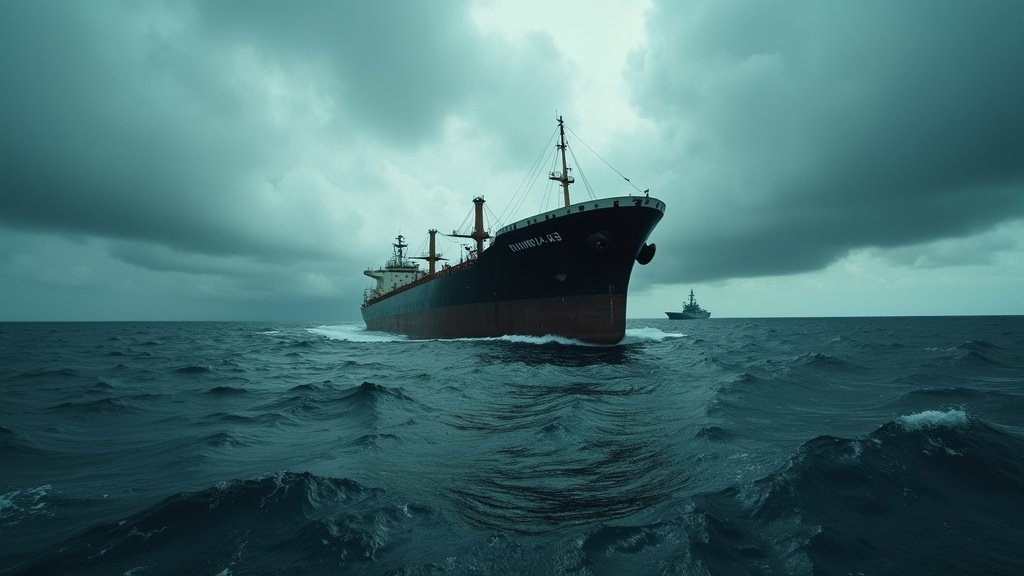
The Caribbean waters have seen a dramatic event. The United States seized a Venezuelan oil tanker. This action signals a significant escalation. It marks a potential return to older foreign policy tactics. This news is shaking regional stability today.
The “Skipper” Incident
US forces boarded the oil tanker “Skipper.” This happened off Venezuela’s coast on December 10, 2025. The tanker carried Venezuelan crude oil. The US Treasury Department announced sanctions. These targeted six oil tankers. Six shipping companies also faced sanctions. Three nephews of Venezuela’s first lady were sanctioned. A businessman linked to Maduro’s regime also faced sanctions. The US stated the tanker had been sanctioned for years. It allegedly supported illicit oil shipping networks. These networks fuel “narco-terrorist regimes.” The US plans to seize the oil. This will follow a legal process.
Escalating US Pressure Campaign
This seizure is not an isolated event. It is part of a larger US strategy. The Trump administration has increased pressure on Venezuela. Sanctions have been in place since 2019. The US also conducted a large military buildup. This involved naval forces in the region. President Trump has repeatedly threatened ground attacks. These threats are ostensibly against drug trafficking. However, Venezuela claims the US seeks its oil. The administration frames its actions as law enforcement. They aim to combat drug flows into the US. White House officials stated they won’t tolerate “black market oil.” They believe this oil fuels illicit activities worldwide.
Echoes of the Past
The current US actions echo historical patterns. Many observers call it “gunboat diplomacy.” This refers to using naval power. It aims to achieve political goals. This tactic was common in the late 19th century. The US often intervened in Latin America then. It enforced its influence in the hemisphere. This strategy is linked to the Monroe Doctrine. The current deployment includes a significant naval presence. It is the largest in the Caribbean in decades. Some see this as a modern version of old policies. It asserts US dominance in the region. History shows a pattern of US interventions. These aimed to secure economic and geopolitical interests.
Stated Motives Versus Underlying Goals
The US administration cites combating “narco-dictatorships.” It highlights stopping drug flows. However, critics suggest other motives. Control over Venezuela’s vast oil reserves is a key factor. Regime change in Caracas is also a stated US goal. Venezuela’s government calls the seizure “international piracy.” They view it as blatant theft. President Maduro has accused the US of seeking Venezuela’s resources. The Russian president has reaffirmed support for Maduro. This highlights geopolitical tensions surrounding Venezuela.
Regional Ramifications and Reactions
This incident raises significant regional concerns. The seizure could lead to further actions. Shipping companies are on alert. Some have already suspended voyages from Venezuela. This impacts Venezuela’s already struggling economy. Its oil exports are vital for funding the government. The actions also draw international scrutiny. Some US lawmakers have questioned the legality of strikes. Strikes on alleged drug boats have resulted in fatalities. Venezuela labels the US military operations as aggression. The escalating tensions could destabilize the broader Caribbean region.
A New Chapter for the Caribbean?
The seizure of the “Skipper” marks a critical moment. It highlights a determined US policy. This policy uses sanctions and military force. It aims to isolate and pressure Venezuela. The “gunboat diplomacy” narrative suggests a return. This is to a more assertive US stance. It involves projecting power in the Western Hemisphere. The long-term impact on regional news and stability remains uncertain. The situation underscores deep geopolitical divides. The Caribbean news cycle is now dominated by this standoff. The future course of US-Venezuelan relations is in flux. This development demands close attention today.