
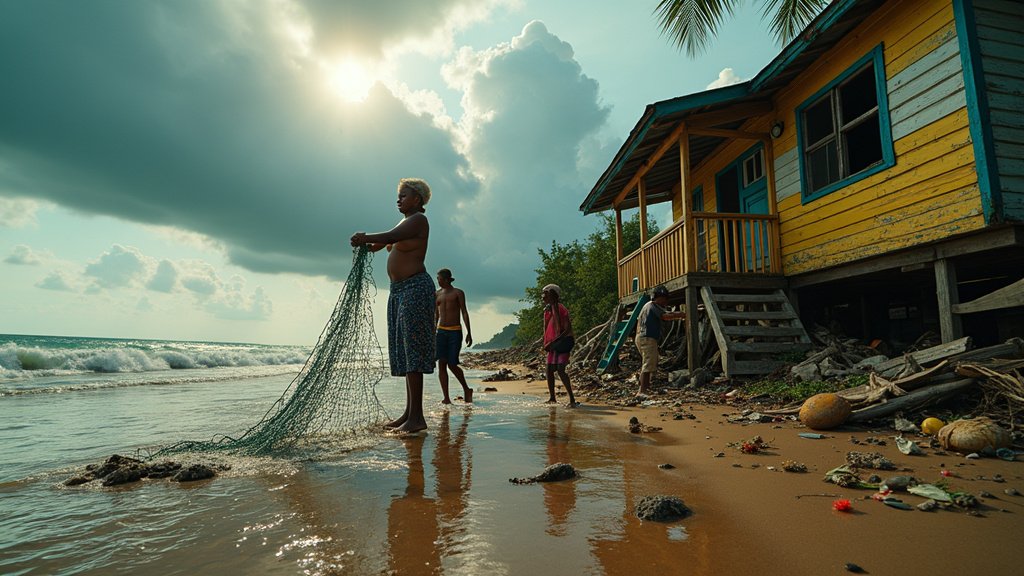
The Caribbean faced a tumultuous 2025. Geopolitical storms brewed in the south. A catastrophic hurricane ravaged Jamaica. Yet, the spirit of the Caribbean community endured. Resilience, cultural pride, and progress marked this challenging year. The region showcased its strength. It adapted and persevered through diverse trials.
Geopolitical Crossroads and Regional Unity
2025 saw heightened geopolitical tensions. The United States and Venezuela stood at odds. This standoff placed the Caribbean region in a difficult position. US President Trump’s administration pursued aggressive policies. These included mass deportations and military actions. These actions targeted suspected drug-trafficking vessels. Tensions escalated with Venezuela. The Caribbean found itself caught in the middle.
Trinidad and Tobago took a distinct stance. Its government strongly supported US military intervention. This support aimed to combat drug trafficking and crime. However, this put Trinidad and Tobago at odds with many CARICOM members. Most CARICOM nations sought to maintain the region as a “Zone of Peace.” They favored dialogue and diplomacy. Trinidad and Tobago’s Prime Minister Kamla Persad-Bissessar voiced frustration. She felt the bloc was not strident enough in its support for the US against Venezuela. This created friction within CARICOM. Other leaders countered these claims. They emphasized maintaining regional unity.
The year also featured many elections. Several Caribbean nations held general elections. These included Trinidad and Tobago, Jamaica, Guyana, and Suriname. Many incumbent governments secured consecutive terms. Election outcomes often showed ruling parties consolidating power. They sometimes reduced opposition representation significantly.
The Fury of Nature: Hurricane Melissa’s Impact
Hurricane Melissa struck the Caribbean with unprecedented force. It became the strongest storm of 2025. It was also one of the most intense Atlantic hurricanes on record. Melissa made landfall in Jamaica as a Category 5 hurricane. Its winds reached speeds of 185 mph. The storm caused catastrophic damage. It brought life-threatening winds, flash flooding, and landslides.
Jamaica bore the brunt of Melissa’s fury. The hurricane devastated large parts of the island. It caused widespread destruction. An estimated 45 people lost their lives in Jamaica alone. Over $130 million in infrastructure damage was reported. This figure later rose to $8.8 billion. That represented nearly a quarter of Jamaica’s GDP.
Thousands of people were displaced. Many homes were destroyed. Essential services like electricity, water, and communications were disrupted. Schools and hospitals suffered severe damage. The island’s tourism and agriculture sectors faced significant setbacks. Recovery efforts were extensive and challenging. Melissa also impacted Cuba, Haiti, and the Bahamas.
Strides Towards a Greener Future
Despite natural disasters, the Caribbean pushed forward on sustainability. Climate justice remained a key focus. Many initiatives aimed for renewable energy adoption. Projects sought to improve energy efficiency in public buildings. They targeted reducing reliance on fossil fuels.
Countries like Grenada, Guyana, and Saint Lucia benefited from new projects. These aimed to retrofit buildings. They also promoted solar panel integration. Dominica continued construction on its geothermal power plant. These efforts sought to enhance energy security. They also aimed to build resilience against power outages. The region actively advocated for climate finance. It pushed for the fulfillment of Paris Agreement commitments. Discussions highlighted the urgent need for climate action. They emphasized building resilience for sustainable development.
Cultural Triumphs and Community Resilience
The year 2025 brought significant cultural achievements. Trinbagonian poet Anthony V. Capildeo received major literary awards. He won the OCM Bocas Prize for Caribbean Literature. He also secured the prestigious Windham-Campbell Prize for poetry. Other Caribbean writers also gained recognition. Subraj Singh and Chanel Sutherland won the Commonwealth Short Story Prize. Reggae music was celebrated. The region also hosted CARIFESTA XV. These events highlighted the vibrant artistic talent. They showcased the rich cultural heritage of the Caribbean community.
Crime statistics showed mixed trends. Some countries reported concerning increases in violence. Trinidad and Tobago faced a surge in violent crime. A state of emergency was declared. However, other areas saw notable crime reduction. The British Virgin Islands reported significant drops in serious crimes. Jamaica also reported a decline in murders and other violent offenses. These improvements reflected enhanced policing strategies. They also showed success in community engagement. These stories underscore the community’s efforts. They highlight the pursuit of safety and well-being.
A Year of Enduring Spirit
2025 presented immense challenges for the Caribbean. Geopolitical tensions tested regional unity. Hurricane Melissa brought widespread devastation. Yet, the region demonstrated remarkable resilience. It faced these adversities with determination. Progress in renewable energy showcased a commitment to a sustainable future. Cultural achievements celebrated the region’s vibrant identity. Crime reduction efforts in some areas offered hope. The Caribbean community’s stories in 2025 reflect its enduring spirit. It navigated a difficult year. It emerged with lessons learned and renewed resolve. The region continues its journey toward a more secure and prosperous future.