
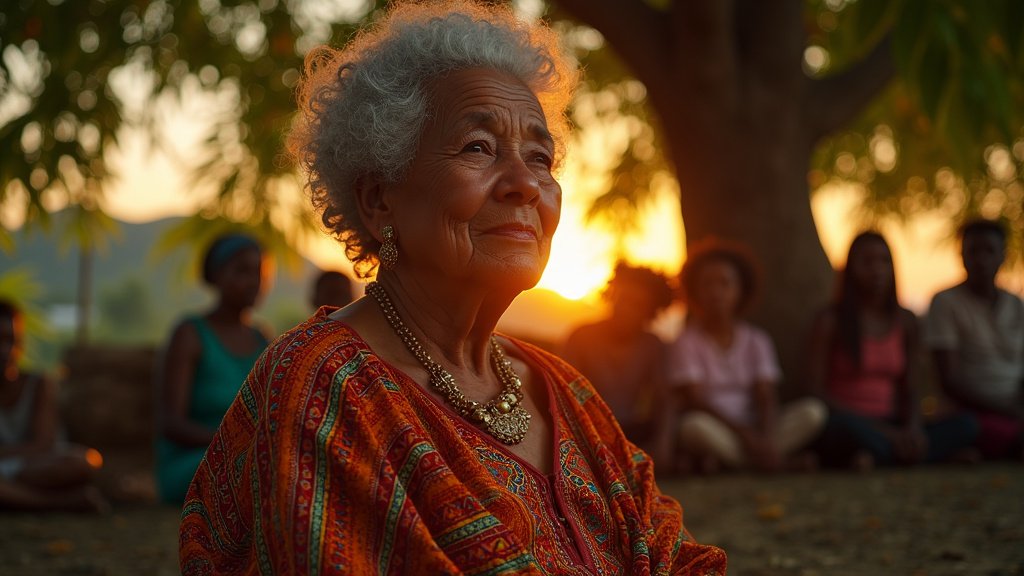
Oral traditions form the soul of the Caribbean. Storytelling is central to this vibrant region. It connects people across generations. These stories preserve history and culture. They also build strong community bonds.
Roots in Resilience: A Tapestry of Influences
The Caribbean’s oral traditions are rich and diverse. They reflect a complex history. Many influences shaped these stories. African heritage is a strong foundation. Enslaved Africans brought their rich oral traditions. These tales traveled across the Atlantic. Indigenous Caribbean peoples also contributed their lore. European colonizers added their own myths. Later migrations from Asia enriched the tapestry. This fusion created a unique cultural blend. Storytelling became a vital tool for survival. It helped communities maintain their identity. This was especially true during periods of oppression. Oral traditions offered a way to remember the past. They also provided hope for the future.
The Heartbeat of the Community: Knowledge and Morality
Stories are powerful vehicles for knowledge. They pass down vital information. This includes history, customs, and beliefs. Oral traditions teach important moral lessons. They explain right and wrong. Stories often feature characters with virtues and flaws. Listeners learn through these engaging narratives. Anansi the spider is a famous example. Anansi tales originated in West Africa. They spread throughout the Caribbean. Anansi uses his wit to outsmart others. These stories often convey wisdom. They also teach social norms. For children, these tales are more than entertainment. They are lessons for life. They explain the world and its ways.
More Than Just Tales: Voices of Resistance and Identity
Storytelling played a crucial role during slavery. Enslaved Africans used stories to survive. They were denied written records. Oral traditions kept their heritage alive. These narratives often carried themes of resistance. They helped assert social norms. They fostered a sense of community. Stories provided spiritual and emotional support. They helped people maintain their identity. Anansi’s trickery became a metaphor. It represented cleverness against powerful systems. These tales challenged oppressive narratives. They empowered marginalized voices. They are a testament to resilience. They celebrate the spirit of the people.
Rhythms and Rhymes: Storytelling Through Music and Performance
Oral traditions are deeply woven into Caribbean music. Genres like reggae, calypso, and soca tell stories. Their lyrics convey social and political messages. Songs act as modern-day narratives. They express identity, love, and struggle. Music genres trace roots to African rhythms. They often use call-and-response patterns. Storytelling itself is often a performance. Storytellers use gestures and vocal variations. They captivate their audiences. Communal settings amplify the experience. Festivals and gatherings are key spaces. These events unite people. They celebrate shared heritage. The performative aspect makes stories come alive.
Keeping Stories Alive: Modern Relevance and Future
Oral traditions remain vital today. They continue to shape Caribbean culture. Many contemporary artists draw inspiration from folklore. Writers weave myths into modern stories. Marketing campaigns use local narratives. They build emotional connections. These traditions are celebrated annually. Caribbean Folklore Month highlights their importance. Efforts continue to preserve these stories. This ensures future generations connect to their roots. Storytellers are keepers of history. They share culture and community values. Creole languages also keep stories vibrant. They connect people to their heritage. Understanding these traditions offers insight. It reveals the islands’ history and resilience.
The Enduring Power of Caribbean Stories
Oral traditions and storytelling are the heartbeat of the Caribbean. They are more than just entertainment. They are a powerful force for preservation. They foster strong community bonds. They define cultural identity. From ancient West African roots to modern expressions, these stories endure. They carry wisdom, resistance, and joy. They reflect the complex soul of the Caribbean people. These vibrant tales continue to connect communities. They ensure a rich heritage lives on.