
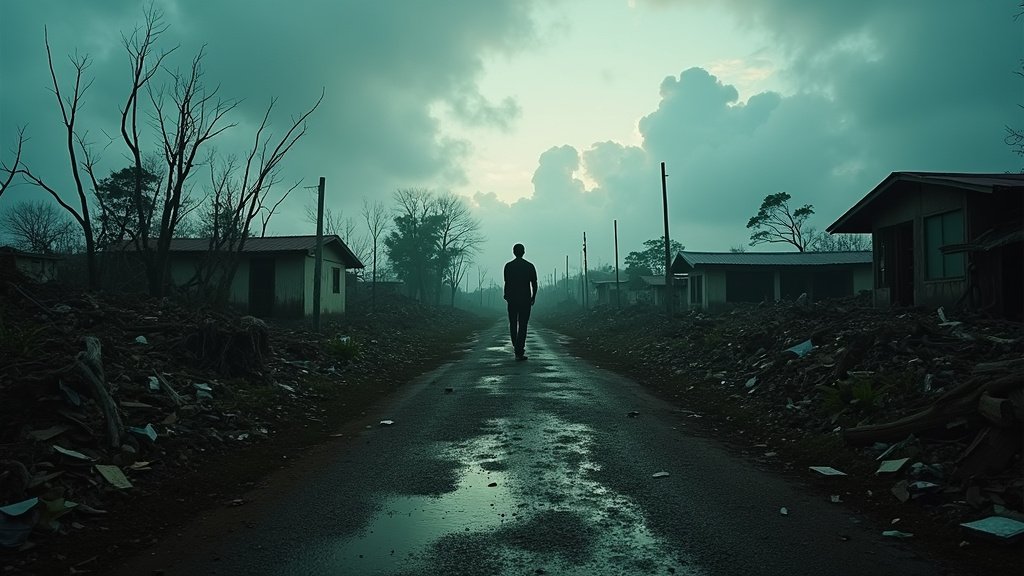
November 20, 2025 – A catastrophic Category 5 Hurricane Melissa has wrought unprecedented devastation across Jamaica, Cuba, and Haiti, leaving millions of people displaced, vast swathes of infrastructure in ruins, and a mounting death toll in its wake. The sheer force of the storm, described as one of the most powerful Atlantic hurricanes on record, has crippled essential services and plunged entire regions into a humanitarian crisis that aid organizations are still struggling to fully comprehend and address.
The UN Office for the Coordination of Humanitarian Affairs (OCHA) has been central to providing updates and coordinating the massive relief efforts across the affected nations. As of mid-November, more than five million people were directly impacted by Hurricane Melissa, with casualty figures and displacement numbers continuing to fluctuate as assessments expand into more remote areas.
A Storm of Unprecedented Intensity
Hurricane Melissa formed on October 21, 2025, rapidly intensifying into a Category 5 hurricane with sustained winds reaching up to 185 mph. It made landfall in Jamaica on October 28, 2025, as the strongest hurricane ever recorded to hit the island, surpassing Hurricane Gilbert in 1988. The storm’s intensity at landfall was catastrophic, with winds causing widespread structural failure and leaving an estimated 75 percent of Jamaica without power.
Following its assault on Jamaica, Melissa weakened slightly but remained a major hurricane, making landfall in eastern Cuba as a Category 3 storm on October 29. The hurricane’s destructive path continued, bringing torrential rain and flooding to Haiti and other Caribbean nations, further exacerbating existing vulnerabilities. The storm’s slow movement contributed to extreme rainfall totals, in some areas reaching up to 700 millimeters, leading to catastrophic flash flooding and landslides.
Devastation Across the Islands
The impact of Hurricane Melissa has been felt most acutely in Jamaica, Cuba, and Haiti, with each nation facing unique and severe challenges in the aftermath.
Jamaica: The island bore the brunt of Melissa’s fury, experiencing the strongest winds and most direct impact. The western and southern parishes were the hardest hit, with over 1.6 million people affected. Roads remain blocked by an estimated 4.8 million tons of debris, with at least 30 communities cut off, hindering relief efforts. Black River Hospital was destroyed, forcing the evacuation of 92 patients, and numerous other primary and secondary health facilities sustained major damage, requiring extensive reconstruction. The economic toll is staggering, with initial estimates suggesting losses equivalent to roughly 30 percent of Jamaica’s Gross Domestic Product. The agricultural sector, a vital component of the island’s economy, also suffered immense damage, with preliminary losses exceeding J$20 billion.
Cuba: Eastern Cuba was slammed by Melissa as a Category 3 hurricane. Officials reported collapsed houses, blocked mountain roads, and widespread power outages affecting over three million people across five provinces. More than 735,000 people were initially housed in shelters. The UN System has launched a US$74 million Plan of Action to aid one million people, focusing on health, water and sanitation, shelter, education, and early recovery, with special attention to vulnerable groups. Damage to agriculture was extensive, with 158,000 hectares affected, and a significant increase in arboviral diseases has been reported, exacerbated by persistent flooding and stagnant water.
Haiti: The storm’s impact was particularly devastating in Haiti’s southern regions, already weakened by previous disasters. Torrential rains and flooding led to landslides, destroying homes, bridges, and essential infrastructure. In the Grand Sud region alone, 43 deaths have been confirmed, with over 1,700 people displaced. The hurricane exacerbated existing food insecurity, with widespread losses to autumn crops and livestock. Humanitarian partners are scaling up operations, distributing hygiene kits and providing psychosocial support.
Humanitarian Response and Challenges
In the wake of the storm, international and local organizations, including OCHA, the World Food Programme (WFP), UNICEF, and numerous NGOs, have mobilized to provide critical assistance. The UN System launched a US$74 million Plan of Action for Cuba, and emergency funding was released early through anticipatory action frameworks, demonstrating a proactive approach to disaster response.
However, access remains a significant challenge across all three countries due to debris, landslides, and damaged infrastructure. The sheer scale of destruction has overwhelmed local resources, and relief efforts are further complicated by communication blackouts and the need to reach isolated communities. OCHA reports that hundreds of health facilities were damaged, severely impacting access to essential medical services. The restoration of basic services, including power and water, is a slow and arduous process.
The international community, including the United States and the UK, has pledged support, with the US State Department mobilizing disaster response teams and the UK deploying medical personnel and providing essential supplies to Jamaica. The recovery process is expected to be long and complex, requiring sustained international cooperation and significant financial investment to rebuild resilient communities.
As the region grapples with the immediate aftermath, the stories emerging from affected communities underscore the profound human cost of Hurricane Melissa, highlighting the urgent need for continued support and global solidarity in the face of escalating climate-related disasters. The resilience of the Caribbean people is being tested, but their spirit of community and determination to rebuild remains strong.