
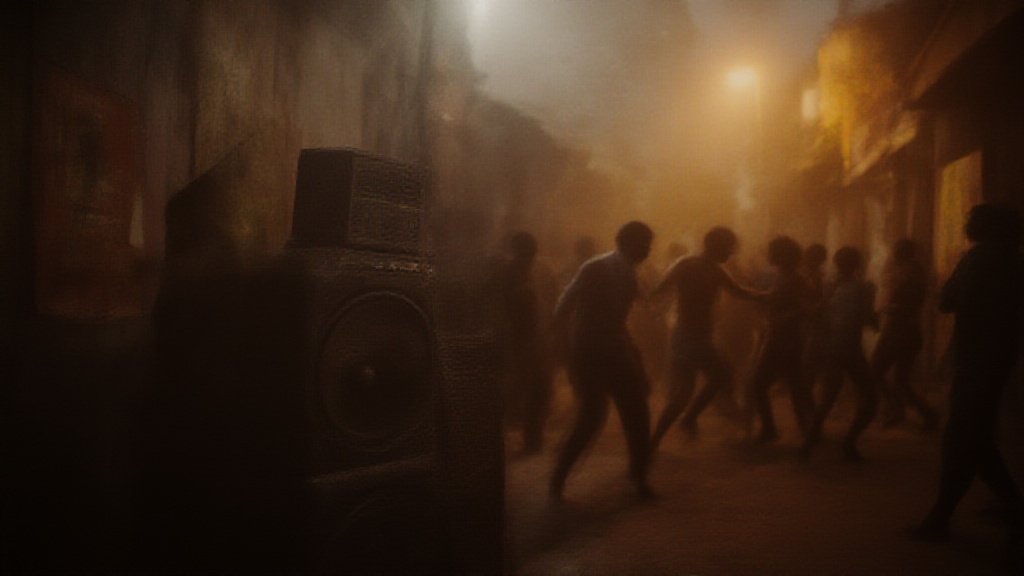
Reggae music is more than just sound. It is a powerful archive. It tells Jamaica’s vibrant story. The genre emerged in the late 1960s. This was a pivotal time for Jamaica. The island nation had just gained independence. Reggae captured the spirit of its people. It voiced their struggles and hopes. It became a global phenomenon. Its rhythms heal and inspire. Reggae offers a window into Jamaican life. It reflects a resilient community. The music shares powerful stories.
The Genesis of a Genre
Reggae’s roots lie deep in Jamaica’s soil. It evolved from earlier island sounds. Ska came first. It featured upbeat horns and a fast tempo. Ska blended R&B with mento and calypso. Then came rocksteady. This style slowed the pace. It focused more on bass lines and vocals. Rocksteady paved the way for reggae. Toots and the Maytals released “Do the Reggay” in 1968. This song gave the genre its name. It captured a unique Jamaican rhythm. The music was born in Kingston’s vibrant streets. Sound systems were central to its early life. They brought music to the community.
A Voice for the People
Reggae quickly became the voice of the marginalized. It spoke of daily life. Themes of poverty and inequality were common. Unemployment and social injustices fueled its lyrics. Artists like Bob Marley became global icons. His songs carried powerful messages. “Get Up, Stand Up” calls for action. Peter Tosh championed “Equal Rights”. Burning Spear’s “Marcus Garvey” celebrated African heritage. These artists turned music into a tool. It became a platform for protest. It empowered disenfranchised communities. The music united people. It fostered a sense of belonging within the community.
The Spiritual Core: Rastafari’s Influence
Reggae’s soul is deeply connected to Rastafari. This spiritual movement emerged in Jamaica. It emphasizes African heritage and biblical prophecy. Rastafarians revere Emperor Haile Selassie I. Reggae music spread Rastafari beliefs worldwide. Lyrics often reference “Jah” (God) and “Zion” (a promised land). “Babylon” symbolizes oppressive systems. This spiritual depth offers enlightenment. It provides a sense of hope and healing. For many, reggae is a spiritual journey. It guides listeners toward higher consciousness. The sacred herb, ganja, is also part of this tradition.
Spreading the Rhythm Globally
Reggae transcended Jamaica’s shores. It became a global phenomenon. Its universal themes resonated across cultures. Bob Marley’s international success was key. Reggae influenced many other music genres. Hip-hop, punk, and electronic music show its impact. Reggae became a soundtrack for social movements. It inspired anti-apartheid efforts in South Africa. It also supported environmental activism. Reggae festivals celebrate its worldwide reach. The music continues to bridge cultures. It fosters a sense of global community.
The Modern Revival and Lasting Legacy
Reggae is not a relic of the past. A new generation keeps its spirit alive. Artists like Chronixx lead the “Reggae Revival”. Protoje blends roots reggae with modern sounds. Koffee brings a fresh, youthful energy. Kabaka Pyramid fuses reggae with dancehall and hip-hop. These artists honor tradition. They also innovate with contemporary styles. Their music addresses current issues. It continues reggae’s role as a storyteller. Reggae music remains a vital platform. It shares the Caribbean’s rich heritage. It offers a mirror and a refuge. Its healing rhythm continues to tell Jamaica’s story. The music inspires unity and resilience. It connects diverse communities worldwide.
Reggae’s journey is far from over. Its rhythm continues to evolve. Its stories resonate deeply. It remains a powerful force for expression. It is a testament to Jamaica’s enduring spirit.