
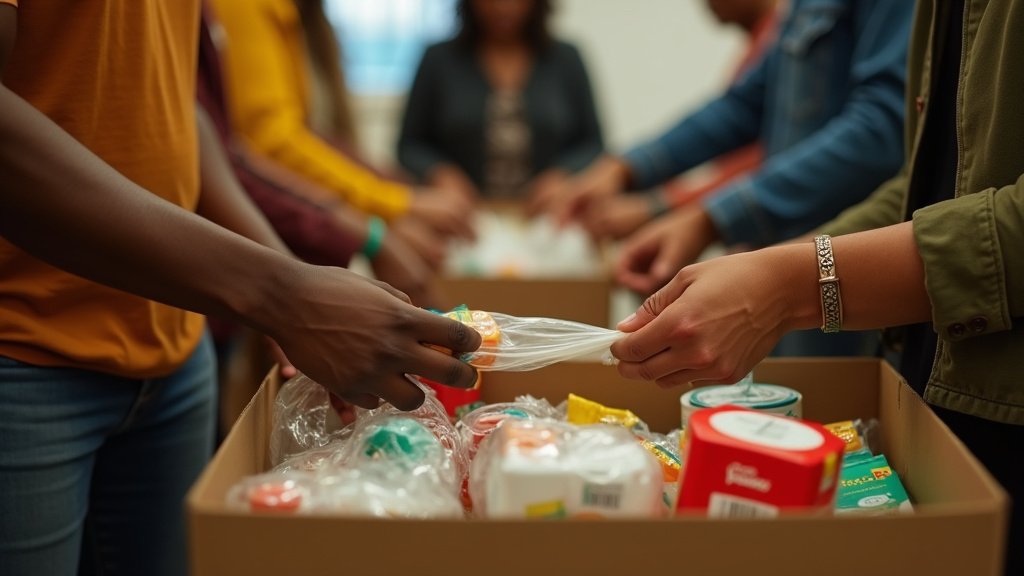
As the catastrophic fury of Hurricane Melissa swept across the Caribbean, leaving a trail of devastation, the vibrant Caribbean community in the Twin Cities quickly mobilized, demonstrating remarkable resilience and a deep-seated commitment to aiding those affected.
The Unrelenting Force of Hurricane Melissa
Hurricane Melissa, a Category 5 storm, made its devastating landfall in Jamaica on October 28, 2025, unleashing winds of unprecedented strength, with sustained speeds reaching 185 mph and gusts exceeding 200 mph. This marked the most powerful hurricane ever recorded to strike the island nation. The storm’s impact was catastrophic, causing widespread destruction of homes, infrastructure, and essential services. In Jamaica, nearly half a million people were left without power, and approximately 75% of the island experienced electricity outages at one point. Heavy rains triggered severe flooding and deadly landslides, displacing an estimated 125,000 residents and rendering communities inaccessible. The devastation extended across the wider Caribbean, with Haiti, Cuba, and the Dominican Republic also suffering significant damage, resulting in numerous fatalities and displacing millions of individuals.
A Community Rooted in Resilience and Action
In the face of this widespread crisis, the Caribbean community in the Twin Cities, known for its vibrancy and strong social fabric, wasted no time in organizing relief efforts. Spearheading these initiatives are established organizations such as the Caribbean Disaster Relief Fund of Minnesota and the Jamaica Minnesota Organization. These groups, which often work year-round to promote Caribbean cultures and provide support, immediately shifted their focus to addressing the urgent needs arising from Hurricane Melissa.
Merina Neal, a dedicated community leader with nearly two decades of involvement in these organizations, embodies the spirit of resilience that defines the Caribbean diaspora in Minnesota. Having grown up in Trinidad, Neal possesses firsthand knowledge of the hardships caused by inadequate infrastructure, such as the lack of water and electricity, which she notes are common during such disasters. Her personal experiences fuel her unwavering commitment to assisting her friends and family in Jamaica. “I didn’t sleep,” Neal shared, her voice filled with emotion, “I’m already crying. I have a lot of connections to Jamaica. I have a lot of good friends”.
Coordinating Relief and Identifying Urgent Needs
The mobilization efforts are characterized by a strategic and coordinated approach. Volunteers are working tirelessly to gather essential supplies, including batteries, hygiene products, diapers, non-perishable food items, and wipes. These provisions are critical for families who have lost their homes and access to basic necessities. Collection barrels have been set up at various Twin Cities locations, including Nanny’s Jamaican Kitchen, Guy-Am Grocery, and Pimento Kitchen, among others, to facilitate donations.
Crucially, these community groups are coordinating closely with official bodies, including the Jamaican Consulate in Chicago and other relevant agencies, to accurately identify the most pressing needs on the ground. This collaboration ensures that aid is directed effectively to where it is most required. The Jamaican Consulate, represented by Honorary Consul Lester Barclay, has been actively involved in assisting stranded individuals and facilitating the return of those from the Chicago area to the United States once infrastructure allows.
Stories of Support and Shared Humanity
Beyond the logistical coordination, the response highlights powerful stories of solidarity and shared humanity. The commitment of individuals like Neal, and the collective efforts of organizations such as Carifest, which mobilizes its disaster relief fund, underscore the deep bonds within the diaspora. These collective actions aim not only to provide immediate relief but also to offer hope and support for the long recovery process ahead. The experiences of those impacted, and the dedication of those providing aid, weave a narrative of resilience and community strength.
As the Caribbean continues to grapple with the aftermath of Hurricane Melissa, the Twin Cities Caribbean community stands as a testament to the power of organized humanitarian action, demonstrating that even from afar, support and compassion can bridge distances to make a profound difference in the lives of those affected by disaster.