
Caribbean Nations Receive Critical UNESCO Support Following Hurricane Melissa’s Devastation
PORT-AU-PRINCE, HAITI – In the wake of the catastrophic Hurricane Melissa, which unleashed its fury across the Caribbean on October 28, 2025, the United Nations Educational, Scientific and Cultural Organization (UNESCO) has announced a significant emergency support package for Jamaica, Cuba, and Haiti. The aid aims to bolster educational continuity, assess and protect vital cultural heritage, and reinforce reliable information channels through media programs, addressing the profound impacts of the category 5 storm.
Hurricane Melissa, one of the most powerful storms on record, made landfall in Jamaica as a Category 5 hurricane with sustained winds of 185 mph, causing widespread destruction. The storm subsequently weakened but continued to inflict severe damage across eastern Cuba as a Category 3 hurricane. The dual impact left an estimated 5 to 6 million people affected across the three nations, with thousands displaced and an immense toll on infrastructure and livelihoods.
Devastation Across the Caribbean
The hurricane’s path left a trail of destruction, impacting hundreds of schools, thousands of homes, and numerous cultural sites. In Jamaica, the country most severely hit, preliminary damage assessments revealed unprecedented devastation, with significant infrastructure destruction and profound economic repercussions. Roads were blocked by debris and landslides, cutting off numerous communities. Reports indicate at least 96 fatalities across Jamaica and Haiti combined, with substantial numbers of injuries and missing persons. The disaster severely jeopardized educational continuity for hundreds of thousands of students, with many schools suffering major damage, impacting not only learning but also access to food for vulnerable children.
In Haiti, the storm caused extensive flooding along the southern coast, washing away homes and infrastructure, particularly in the Grand Sud region. Cuba also experienced widespread flooding, power outages, and significant damage to its infrastructure, forcing hundreds of thousands to evacuate their homes.
UNESCO’s Multi-pronged Response
UNESCO Director-General Audrey Azoulay announced the emergency support, emphasizing the organization’s commitment to being “as close as possible to populations in times of crisis.” The aid package focuses on three critical areas:
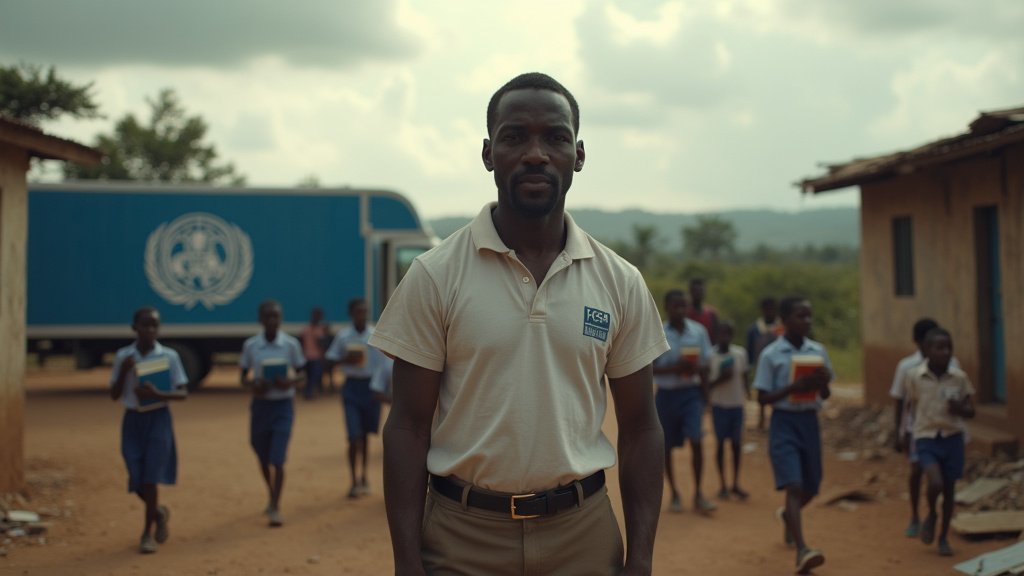
* Educational Continuity: Recognizing that schools are more than just places of learning, UNESCO is providing crucial support to help thousands of children return to education. This includes replacing damaged teaching materials and classroom equipment, offering psychosocial support for teachers and students, and rehabilitating damaged school infrastructures. In Jamaica, this has involved participating in needs assessment missions for educational facilities, witnessing firsthand the destruction of textbooks and learning aids that have compounded the emotional distress within the community.
* Cultural Heritage Preservation: The hurricane’s impact on cultural heritage sites is a significant concern. UNESCO is deploying international experts to conduct damage and needs assessments. In Jamaica, for example, satellite imagery has been used to evaluate 142 cultural sites, with six confirmed to have sustained damage. Efforts are underway to urgently stabilize critical monuments, such as the severely affected Saint John’s Church in Saint Elizabeth, and to develop strategies for restoration and enhanced resilience of heritage sites, including UNESCO World Heritage sites like the Blue and John Crow Mountains and the Archaeological Ensemble of 17th-Century Port Royal.
* Strengthening Reliable Information Channels: In times of crisis, access to accurate and timely information is vital. UNESCO’s support includes strengthening media programs. In Cuba, this involves providing assistance to journalists through the reinforcement of a fact-checking platform to combat misinformation. Beyond national-level interventions, UNESCO is also implementing regional training programs aimed at enhancing disaster prevention, risk reduction capacities, and building resilience against increasingly frequent extreme climate events. This aligns with UNESCO’s ongoing initiatives to empower Caribbean media outlets in disaster preparedness and reporting, ensuring that communities receive essential warnings and information.
Collaborative Efforts and Long-Term Resilience
UNESCO is working in close coordination with other UN agencies, including the World Food Programme (WFP), UNICEF, the UN Office for the Coordination of Humanitarian Affairs (OCHA), and the International Organization for Migration (IOM), as well as national disaster management agencies like the Caribbean Disaster Emergency Management Agency (CDEMA). The UN’s early warning and anticipatory action frameworks, supported by funds like the UN Global Emergency Fund (CERF), played a crucial role in mobilizing resources and facilitating evacuations and aid delivery before the storm’s full impact.
For Jamaica, the immediate support includes replacing teaching materials, providing psychosocial support for educators, and stabilizing monuments. In Haiti, assistance focuses on assessing groundwater sources for school infrastructures affected by flooding. Cuba will receive support for its water points and for strengthening its media’s fact-checking capabilities.
This response builds upon UNESCO’s broader commitment to the Caribbean, which includes past initiatives to bolster media resilience against climate change and disasters, underscoring the interconnectedness of education, culture, and communication in building a resilient future for the region. The stories emerging from the affected communities highlight the urgent need for sustained international cooperation and investment in disaster preparedness and recovery efforts in this vulnerable part of the world.