
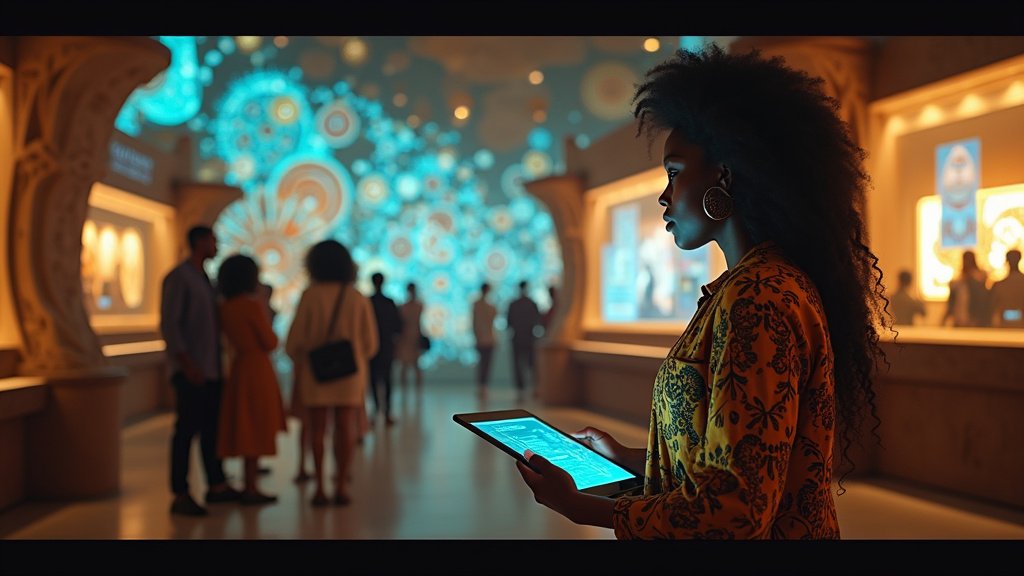
South Africa stands on the cusp of a significant transformation, poised to harness the power of Artificial Intelligence (AI) to invigorate its rich arts, culture, and tourism sectors. As AI rapidly evolves from a conceptual promise to a practical tool, it is emerging as a pivotal force in driving national competitiveness, expanding economic opportunities, and preserving the nation’s unique heritage.
Expanding Horizons Through Digital Innovation
The integration of AI offers unprecedented avenues for South Africa to amplify the reach and revenue of its most entrepreneurial and youth-intensive industries. This technological shift is not merely about industrial efficiency; it is about unlocking the nation’s creative capital. AI-driven insights can help businesses identify new markets, tailor offerings to diverse global audiences, and break down language barriers, making South African culture and attractions more accessible than ever before. For instance, AI-powered tools are enabling township theatres to stream performances to international audiences, digitizing museums and archives for global discovery, and providing AI translation for heritage sites to enhance visitor experiences. Secure online platforms are also being developed to connect local artisans and creative makers directly with cross-border buyers, fostering new export opportunities.
AI as a Catalyst for Cultural Competitiveness
South Africa’s competitiveness is intrinsically linked to its identity as a creative nation with globally resonant stories, music, film, and living heritage. AI is emerging as a powerful engine to fuel this cultural competitiveness. In the tourism sector, AI-driven content creation is leading the charge, with businesses leveraging these tools for personalized marketing and compelling narratives. This allows even small operators to produce professional marketing materials that can compete on a global stage, effectively showcasing the continent’s extraordinary tourism offerings. Personalized itineraries, multilingual content, and enhanced visual storytelling are becoming standard, as AI addresses the fundamental need for engaging content that inspires travelers.
Preserving Heritage and Enhancing Visitor Experiences
Beyond promotion, AI plays a crucial role in safeguarding South Africa’s invaluable cultural heritage. AI-powered applications are enhancing the curation of museums and galleries, assisting in the restoration of cultural artifacts, and digitizing historical documents and artworks for secure storage and future access. Initiatives like the African Rock Art Digital Archive are a testament to this, using digital tools to preserve millennia of human history. Furthermore, AI can transform the visitor experience at heritage sites through real-time translation, conversational tools, and personalized recommendations, making cultural exploration more seamless and engaging for international visitors. The potential for AI to redistribute tourism demand across less-visited destinations also offers a path to more sustainable and equitable tourism growth.
Empowering the Creative Economy and Navigating Challenges
The cultural and creative industries (CCIs) are vital to South Africa’s economy, contributing significantly to GDP and employment. The advent of AI presents both significant opportunities and formidable challenges for creative professionals. While a majority of South African creative workers express optimism about AI’s potential to enhance creativity and productivity, there are pressing concerns regarding intellectual property rights, copyright, and the risk of job displacement.
Addressing these challenges requires a balanced approach. A critical focus must be placed on developing essential skills in AI and data sciences to ensure the workforce is prepared for the evolving economy. Investment in inclusive digital infrastructure is paramount for widespread access to AI-driven services. Furthermore, robust ethical frameworks and governance are needed to prevent algorithmic bias, protect data privacy, and safeguard the authenticity of South African culture. For instance, AI music generators must not stifle the expression of the nation’s diverse musical heritage, and creators need assurances that their intellectual property is protected in the age of generative AI.
The convergence of AI with cultural exchange and global dialogue also offers avenues for diverse regions, much like the vibrant cultures of the Caribbean, to share best practices in digital heritage preservation and promotion. As South Africa navigates this new era, it has the opportunity to shape AI’s trajectory, ensuring it serves as a tool for growth, inclusion, and the celebration of its unique cultural identity on the global stage. The nation’s commitment to building AI hubs, fostering innovation, and investing in education will be key to realizing the full potential of this technological revolution for its arts, culture, and tourism sectors. The news of these advancements underscores a dynamic period of innovation, with the South African AI in tourism market alone projected to reach $180 million by 2030. This evolving landscape promises not only economic upliftment but also a richer, more accessible tapestry of South African culture for the world to experience.