
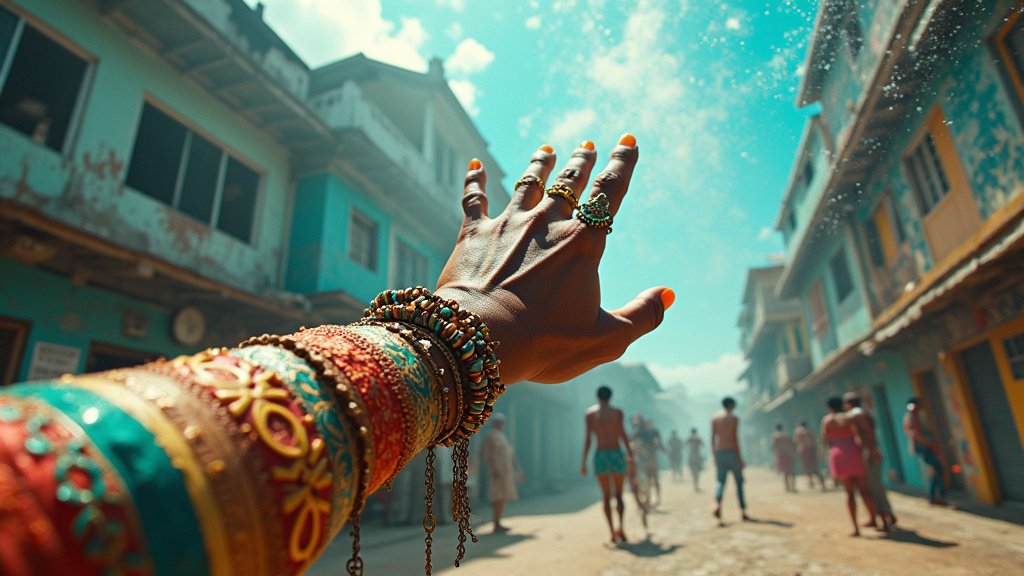
Caribbean culture grapples with foreign dominance. Imported media and arts saturate local markets. This trend impacts regional identity and artists. Many wonder how Caribbean culture can thrive. This news explores this ongoing challenge.
Imported Culture Overwhelms Local Markets
Caribbean consumption habits heavily favor foreign content. Over 90% of cultural consumption is imported. This includes music, literature, and art. Even sports viewing often mimics foreign scenes. American football replaces local pastimes. This high reliance on imported culture is not new news.
Global media giants influence choices. Western values permeate through mass media. This leads to concerns about westernization. Local cultural systems risk being overshadowed. This creates a significant imbalance.
Challenges for Caribbean Cultural Industries
Local markets in the Caribbean are quite small. This limits economies of scale for artists. Distribution channels are also underdeveloped. Financing for creative projects is difficult to secure. Production costs can be prohibitively high. Piracy further devastates artists’ earnings.
Many artists earn income abroad. They may find it more convenient to live there. This leads to fewer local economic spin-offs. The lack of a common currency adds barriers. Transactions with other Caribbean producers are costly. They often require US dollars. This mirrors costs for foreign services.
Impact on Caribbean Identity
The influx of foreign culture poses risks. It can dilute unique local traditions. Concerns exist about cultural homogenization. This risks eroding distinct Caribbean identities. Language, values, and art forms are affected. Some feel foreign cultures are perceived as superior. This can diminish local pride.
However, Caribbean culture is resilient. It has a hybrid nature. This adaptability allows for dynamic expression. The diaspora also plays a key role. They spread Caribbean culture globally. This ensures some measure of longevity.
Pathways to Resilience and Growth
Efforts are underway to support local culture. The “Creative Caribbean” project aims to help. It fosters economic and social development. Grants and training are provided. The Caribbean Culture Fund supports artists. It promotes sustainable growth and innovation. Digital platforms offer new avenues. Artists can reach global audiences online. Crowdfunding also provides project funding.
Diversifying income sources is vital. Developing merchandise is one strategy. Participating in international events helps. Cultural tourism, the “Orange Economy,” is key. It generates income and jobs. Showcasing local talent builds regional identity. Educational programs can strengthen youth connection to heritage.
The Fight for a Local Voice
Caribbean culture faces a global challenge. Imported content dominates consumption. Local industries struggle with resources. They battle small markets and funding gaps. However, creativity remains a strong asset. Initiatives are building resilience. They aim to foster economic growth. The news in this sector is evolving. A strategic focus on local development is crucial. This ensures Caribbean culture thrives. It preserves unique voices for future generations. The fight for local expression continues.