
Trinidad Grapples with Housing Affordability as Container Homes Offer a New Pathway
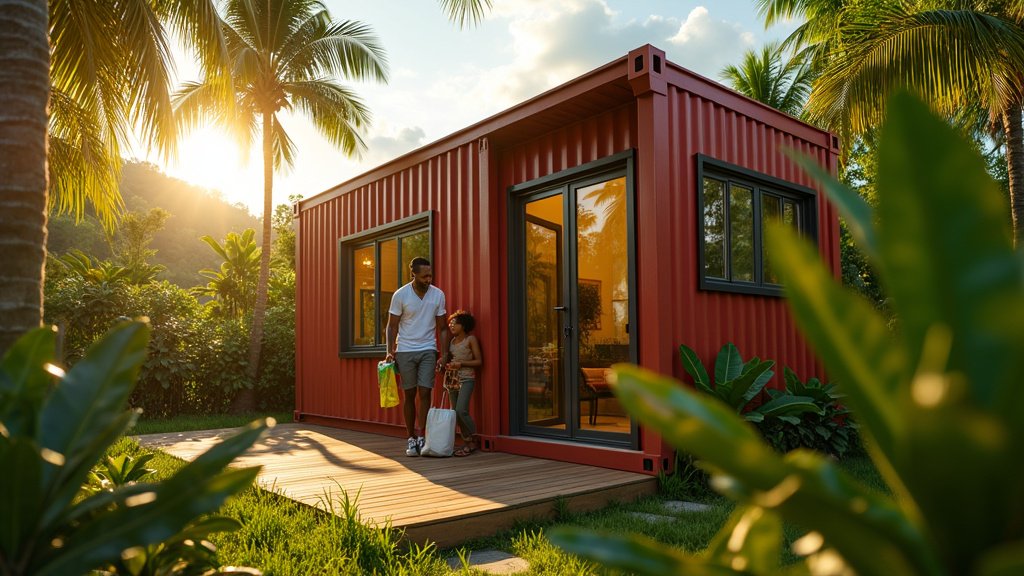
Container homes Trinidad represent a significant new pathway in addressing the nation’s pressing housing affordability crisis. Trinidad and Tobago, like many nations in the Caribbean, is experiencing a significant housing affordability crisis. Skyrocketing prices for traditional homes are pushing the dream of homeownership further out of reach for many low- and middle-income earners. In response, a novel and increasingly popular housing solution is gaining traction: container homes. These prefabricated, adaptable structures are emerging as a viable and cost-effective alternative, promising to reshape the landscape of residential and commercial spaces across the islands.
The Mounting Challenge of Homeownership in Trinidad
The current housing market in Trinidad presents a stark reality. With new home listings frequently starting at prices exceeding one million Trinidad and Tobago dollars (TTD), the average citizen struggles to enter the property market. Long waiting lists for government housing further exacerbate the issue, leaving many in a perpetual cycle of renting or residing with family. Traditional construction methods are often perceived as increasingly costly and time-consuming, widening the gap between demand and supply for accessible housing. This economic pressure has created fertile ground for innovative, low-cost housing solutions to take root.
Tiny Spaces and a Wave of New Providers for Container Homes Trinidad
Companies like TinySpacesTT have emerged as frontrunners in this evolving market. Recognizing the growing demand for affordable, flexible, and rapidly deployable spaces, TinySpacesTT, alongside others such as Chefpro Megastore and Kence Containers, are advertising container and prefabricated homes starting at remarkably low prices, some as low as TTD $50,000. These companies aim to democratize access to quality spaces, offering solutions that cater not only to starter homes but also to various commercial needs including Airbnbs, cafes, offices, and retail units.
“We recognised a growing gap in the local housing and commercial market — the need for affordable, flexible, and quickly deployable spaces,” a representative from TinySpacesTT stated. “Through our market research and interactions with homeowners and small business owners, we saw that traditional construction was becoming increasingly costly and time-consuming.”
Versatility Meets the Tropical Climate: Container Homes Trinidad
Beyond their affordability, the versatility and adaptability of container homes are key drivers of their popularity. Repurposed shipping containers offer a modular design that allows for extensive customization, enabling homeowners and businesses to create unique spaces tailored to their specific needs and aesthetic preferences. This adaptability is crucial in the dynamic Caribbean lifestyle, where spaces often need to serve multiple purposes.
Furthermore, these structures are engineered for resilience. Built with sturdy steel, container homes are designed to withstand the region’s tropical climate, including heavy rains, high humidity, and strong winds, a critical consideration for construction in the Caribbean. Manufacturers like Karmod emphasize that their container homes are built with resilience in mind, capable of enduring the harsh maritime weather with rust-resistant materials and robust construction.
Navigating Skepticism and Financing Hurdles for Container Homes in Trinidad
Despite the growing appeal, container homes have faced initial skepticism regarding their quality and durability. However, as more projects are completed and showcased, confidence is increasing. Companies like TinySpacesTT highlight that once clients witness the quality and strength of their builds, skepticism quickly fades. They draw parallels to modular systems used globally, including for rapid deployment of field hospitals during the COVID-19 pandemic, underscoring the proven technology behind these structures.
A significant hurdle for widespread adoption, however, remains financing. While traditional banks have been hesitant to offer loans for container homes, there is a shift occurring. Some credit unions and financial institutions are beginning to show interest, indicating a potential pathway for easier access to mortgages for these innovative homes. For those seeking more traditional construction methods but still aiming for affordability, companies like Hunter Stern Construction offer starter homes within a more conventional price range, albeit at a higher cost than the most basic container units.
A Regional Trend with Local Impact: Container Homes Trinidad and the Caribbean
Trinidad is not alone in this housing innovation. The trend of embracing container homes is visible across the wider Caribbean, with units deployed in countries like Guyana, Grenada, and the British Virgin Islands, and similar movements gaining momentum in Jamaica. This regional embrace suggests a shared need for accessible, modern, and sustainable housing solutions that resonate with the local culture and economic realities. The Trinidad housing crisis finds a potential solution in these affordable housing Trinidad options.
As the cost of living continues to rise and traditional housing remains out of reach for many, container homes are emerging not just as a niche market but as a significant contender in the quest for affordable homeownership. This innovative approach to construction offers a tangible pathway for individuals and families to achieve their housing goals, fostering a more inclusive and dynamic future for residential and commercial development in Trinidad and the broader Caribbean. Container homes Caribbean offers a glimpse into cost effective housing solutions.
This developing news signals a potential shift in how housing needs are met, blending modern design, environmental consciousness, and essential affordability into a compelling solution for a pressing societal challenge.