
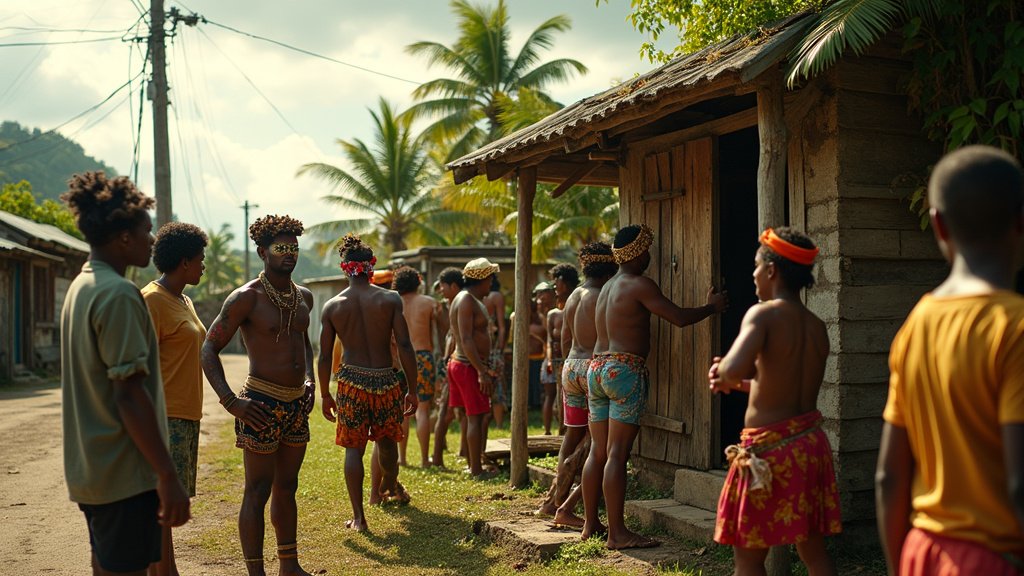
The Caribbean, a region renowned for its vibrant culture and breathtaking landscapes, is increasingly confronting an existential threat: the escalating fury of hurricanes fueled by climate change. For Grenada, an island nation at the forefront of this challenge, the answer to safeguarding its future lies not solely in modern engineering, but profoundly within its rich cultural heritage. This realization has spurred a unique movement, where ancient traditions are being reimagined as vital tools for climate resilience.
The Growing Storm: Climate Change’s Grip on the Caribbean
The Caribbean islands are on the front lines of the climate crisis. Rising sea levels threaten to consume coastlines, while warmer ocean temperatures intensify hurricane activity, making storms like the record-breaking Hurricane Beryl in 2024 more frequent and destructive. These events not only devastate infrastructure but also imperil the tourism-dependent economies that many island nations rely upon. The news from recent years paints a stark picture: a region facing unprecedented environmental challenges that endanger its very existence and way of life.
Echoes of Resilience: Culture as a Shield
In the face of such formidable threats, Grenada is turning inward, drawing strength from its history and traditions. The island is actively leveraging its cultural heritage as a cornerstone of its climate adaptation strategy. This approach recognizes that cultural practices are not mere relics of the past but dynamic forces that can foster community cohesion, adapt built environments, and provide a sustainable economic foundation.
From Festival Rhythms to Robust Defenses
Grenadian culture offers a rich tapestry of traditions that are being adapted for resilience. The exuberant ‘Jab Jab’ tradition, with its energetic drumming, chanting, and masquerade, symbolizes centuries of resistance and community spirit. This collective spirit is now being channeled into disaster preparedness and recovery efforts. Similarly, the powerful rhythms of ‘big drum’ music, particularly prominent in Carriacou, foster a sense of unity essential for navigating crises.
Beyond these expressive traditions, practical ancestral knowledge is being revived. This includes the traditional practice of planting ‘windbreakers’ – sturdy trees strategically positioned to shield homes from strong winds – and the utilization of secure basements as shelters, a strategy that proved vital during Hurricane Beryl. Grenadian officials and builders are also revisiting and reinforcing traditional architectural methods that proved resilient to past storms, emphasizing strong foundations and wind-resistant structures.
Preserving Heritage, Securing Futures
The island’s commitment extends to safeguarding its tangible heritage. Grenada’s leaders acknowledge that while beaches, a traditional draw for tourism, may be threatened by rising seas, its culture remains an enduring asset. Randall Dolland, chairman of the Grenada Tourism Authority, articulates this sentiment: “In decades to come, we may no longer have beaches. But what we will always have is culture.”. This perspective signals a strategic pivot towards cultural tourism, highlighting experiences like Jab Jab, spice markets, and culinary traditions as the main attractions, ensuring that economic vitality is decoupled from vulnerable coastal assets.
This dedication is further reflected in Grenada’s proactive approach to climate adaptation. The nation was among the first Caribbean countries to develop a National Adaptation Plan (NAP) in 2017, aiming to articulate medium- to long-term priorities for building resilience across various sectors, including water management, coastal zones, and resilient infrastructure.
A Call for Climate Justice
Grenada’s efforts are not just about local adaptation; they are part of a broader regional and global conversation about climate justice. The island nation, like many small island developing states, contributes minimally to global emissions yet suffers disproportionately from their effects. Officials are vocal in their calls for equitable resource allocation and support, emphasizing that true justice means having the means to rebuild before the next storm hits, not just after. This advocacy highlights the interconnectedness of cultural survival, environmental protection, and economic stability in the face of a global crisis.
The news from Grenada offers a compelling narrative of resilience, demonstrating how a deep connection to cultural identity can serve as a powerful anchor in navigating the turbulent waters of climate change. By embracing its heritage, Grenada is not just surviving; it is forging a path toward a sustainable and culturally vibrant future for the Caribbean.