
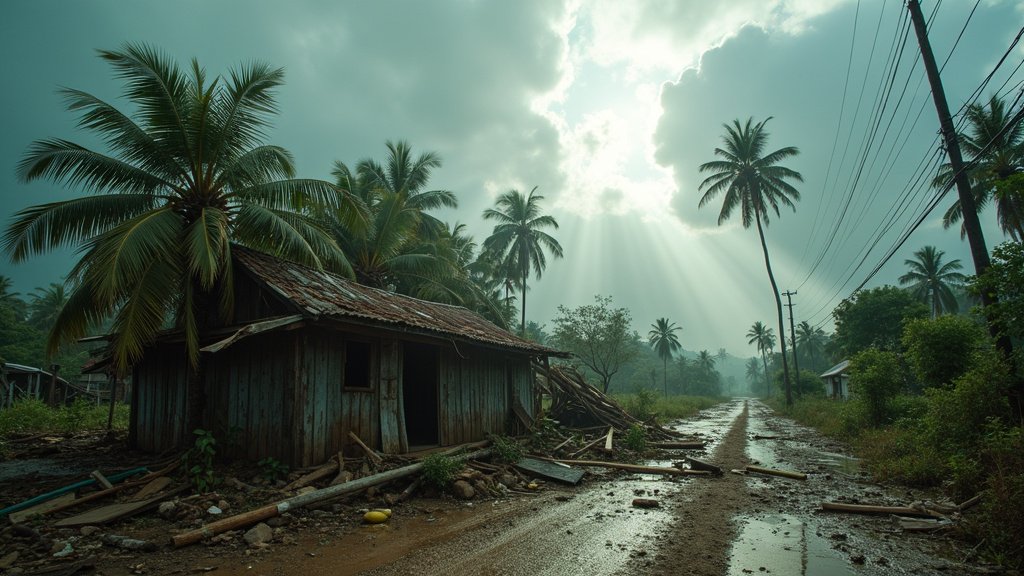
The Caribbean is grappling with the catastrophic aftermath of Hurricane Melissa, the 13th named storm of the 2025 Atlantic hurricane season, which rapidly intensified into a historic Category 5 behemoth. This powerful storm carved a path of unprecedented destruction across the region, leaving behind a trail of widespread devastation, significant loss of life, and immense humanitarian challenges.
Genesis of a Historic Hurricane
Tropical Storm Melissa formed on October 21, 2025, in the Caribbean Sea, initially characterized by slow movement and disorganization due to prevailing wind shear. However, fueled by exceptionally warm ocean temperatures, an environment exacerbated by climate change, Melissa underwent a period of explosive intensification. By October 27, it had become a formidable Category 5 hurricane, one of the most intense on record in the Atlantic Basin, boasting sustained winds of up to 185 mph.
Catastrophe Strikes Jamaica and Hispaniola
The storm made its first landfall on October 28 near New Hope, Jamaica, as an “extremely powerful” Category 5 hurricane, marking the strongest storm to ever hit the island in its recorded history, surpassing even Hurricane Gilbert of 1988. The impacts were devastating, with catastrophic winds, torrential rains, and immense storm surges reducing entire communities to rubble, particularly in western parishes like Westmoreland and Saint Elizabeth. Infrastructure, including roads, power grids, and communication networks, sustained extensive damage, leading to prolonged power outages and cutting off access to rural areas. At least 32 lives were lost in Jamaica, and hundreds of thousands were displaced, with many still housed in emergency shelters.
While Melissa’s direct landfall was in Jamaica, its outer rainbands unleashed torrential downpours across Hispaniola, the island shared by Haiti and the Dominican Republic, triggering severe and deadly flash floods and landslides. Southern Haiti, already grappling with profound vulnerabilities from gang violence, poverty, and governance challenges, bore the brunt of catastrophic flooding and landslides. The storm exacerbated this compound crisis, leading to widespread destruction and protection risks. Tragically, the storm was blamed for at least one death in Marigot, Haiti, and injuries from flooding elsewhere in the country. In total, Haiti faced dire consequences, with 43 confirmed deaths, 13 missing, over 14,000 displaced, and an estimated 1.25 million people affected.
Broader Regional Impacts and Humanitarian Response
Cuba also experienced widespread destruction, prompting the evacuation of thousands. Other islands, including Puerto Rico and Aruba, faced significant rainfall and flooding from Melissa’s outer bands. The storm generated hazardous conditions across the wider Caribbean, with high swells impacting Bermuda, the Turks and Caicos Islands, and even reaching the Northeast U.S. coast, posing risks of life-threatening surf and rip currents.
In the face of this disaster, humanitarian organizations rapidly mobilized. The World Food Program (WFP), UNICEF, and CARE pre-positioned essential supplies like food, hygiene kits, water purifiers, and medical supplies across affected nations. UNICEF reported that approximately 1.6 million children were at risk due to the storm and highlighted the profound disruption to education, with nearly 477,000 children across Cuba, Haiti, and Jamaica facing significant schooling interruptions due to damaged or closed schools. The resilience of Caribbean communities, their cultural traditions of mutual aid, and the coordinated response efforts are crucial in navigating the long road to recovery.
A Season of Extremes
Hurricane Melissa stands as a stark reminder of the intensity of the 2025 Atlantic hurricane season, which was significantly more active than normal, producing 13 named storms, five hurricanes, and three major Category 5 hurricanes. Melissa’s intensity and destructive power have solidified its place in meteorological history, underscoring the growing threat posed by climate change to vulnerable regions like the Caribbean.
The news from the Caribbean is sobering. As recovery efforts continue, the full extent of Hurricane Melissa’s impact is still being assessed. The storm’s passage has left an indelible mark on the region, highlighting the critical need for continued preparedness, robust infrastructure, and sustained support for the affected communities as they rebuild their lives and livelihoods.