
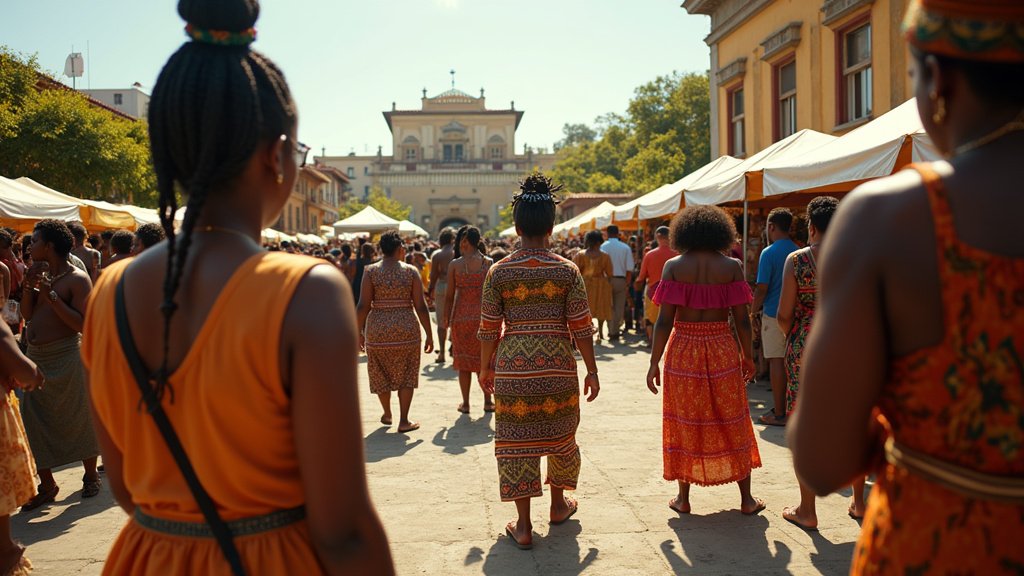
Rivas, Nicaragua – The city of Rivas transformed into a vibrant epicenter of cultural celebration as it hosted the 3rd Caribbean Arts and Culture Festival on November 8th and 9th. This significant event aimed to profoundly promote the identity, traditions, and immense cultural wealth of Nicaragua’s Caribbean coast, drawing together a diverse array of artists, musicians, and dancers from both autonomous regions. The festival also served as a crucial platform for national news highlighting the country’s multicultural mosaic.
A Tapestry of Heritage and Autonomy
The 3rd Caribbean Arts and Culture Festival is more than just a cultural showcase; it is a profound commemoration of Nicaragua’s diverse heritage and governance. This year’s event proudly coincided with the 38th anniversary of the promulgation of the Autonomous Statute for the Caribbean Coast of Nicaragua, a landmark achievement that established a framework for regional self-governance and cultural preservation. Furthermore, the festival embraced the National Day of Garifuna Culture, underscoring the vital contributions and rich traditions of the Garifuna people and other indigenous and Afro-descendant communities to Nicaragua’s national identity. The organization, a collaborative effort involving the Nicaraguan Institute of Tourism (INTUR), the Nicaraguan Institute of Cultures, Peoples and Youth, the Secretariat of Creative Economy, and the regional governments of the North and South Caribbean Coast, underscored a unified approach to cultural promotion.
A Kaleidoscope of Caribbean Culture
The festival brought together over 150 artists, transforming the Plaza Carlos Fonseca Amador into a dynamic hub of artistic expression and cultural exchange. Attendees were treated to a rich program featuring traditional music and dance performances, including vibrant rhythms like Punta and Garifuna melodies, alongside contemporary Afro-Caribbean art. A dedicated Caribbean fashion catwalk presented unique designs, while craft markets displayed intricate handmade textiles, jewelry, and carvings. Culinary enthusiasts savored traditional regional dishes, with a special highlight being the creation of the country’s largest flour tortilla, a symbol of Caribbean gastronomy. Audiovisual displays offered glimpses into the history and customs of the region’s peoples. An accompanying expo fair featured 40 protagonists, showcasing local entrepreneurship and creativity. Musical performances by local acts such as Coastal Dimension and Fusion 4 added to the festive atmosphere.
International Exchange and Local Impact
This edition of the festival also extended its reach through international collaboration, welcoming the Garifuna group Black Men’s Soul from Honduras as a special guest. Their participation highlighted the shared cultural heritage and strengthened the bonds of brotherhood and solidarity between neighboring Caribbean communities. Beyond cultural enrichment, the festival plays a significant role in stimulating the local economy and promoting domestic tourism. By showcasing the Afro-descendant, Indigenous, and mixed-race heritage of the Nicaraguan Caribbean, the event aims to foster greater understanding and appreciation across the entire nation, reinforcing Nicaragua’s commitment to diversity and unity.
A Resounding Success
The 3rd Caribbean Arts and Culture Festival in Rivas concluded as a resounding success, not only celebrating the vibrant spirit of the Nicaraguan Caribbean but also reinforcing its unique place within the national identity. The event stands as a testament to Nicaragua’s dedication to recognizing and preserving its multicultural heritage, promising to inspire future cultural initiatives and strengthen the country’s reputation as a rich tapestry of traditions and artistic expression. The news of its success further cements the festival’s importance in the cultural calendar.