
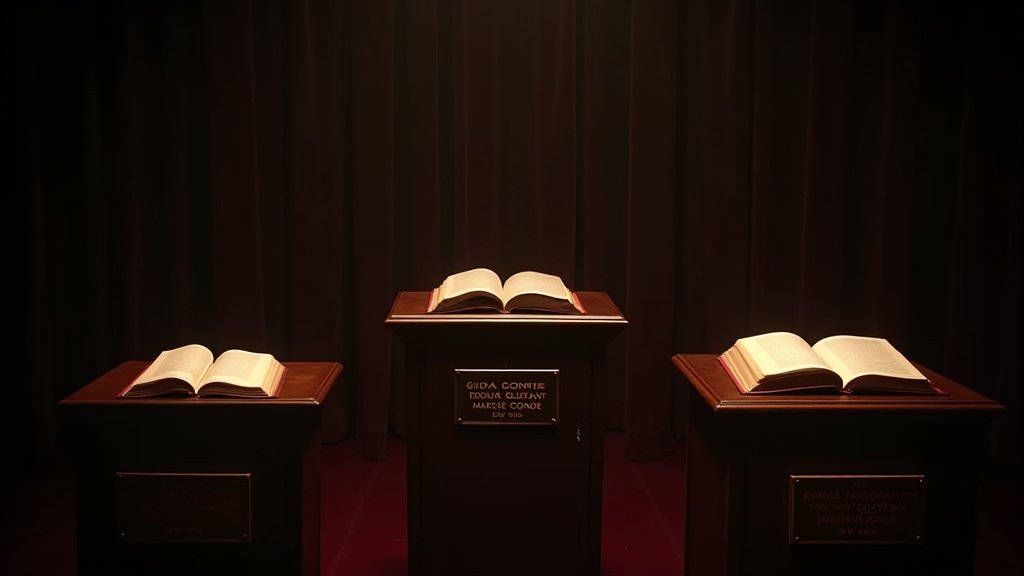
The Martin E. Segal Theatre Center is set to host a significant cultural event on November 10, 2025, as the Caribbean Theatre Project celebrates the rich contributions of Francophone Caribbean writers. This initiative aims to deepen the cultural dialogue between the United States and the Caribbean, bringing vital theatrical works and playwrights into broader public awareness. The upcoming event will feature readings from Gilda Gonfier’s new play, “A Good Negro,” alongside poignant selections from the esteemed works of Édouard Glissant, “Tale of Black Histories,” and Maryse Condé, “Crossing the Mangrove.”
The Caribbean Theatre Project: A Bridge for Culture
At its core, the Caribbean Theatre Project, operating under the umbrella of the Caribbean Theatre Action (ACT) initiative, is dedicated to bridging geographical and cultural divides. Its mission is to translate and present plays by Caribbean playwrights in the United States, thereby fostering recognition and appreciation for Francophone Caribbean theatre. This effort builds upon the project’s successful debut in 2019, which introduced six contemporary plays by emerging and established writers from Haiti, Martinique, and Guadeloupe to American audiences for the first time at the Segal Theater.
The project is a collaborative endeavor, often involving partnerships with organizations such as Compagnie Siyaj and Macha Productions from Guadeloupe, as well as academic experts like Professor Stéphanie Bérard. This collaborative spirit was instrumental in the 2019 festival, which included readings, discussions with playwrights, translators, directors, and scholars. A testament to the project’s impact, an anthology of these featured plays was published by the Segal Center in Spring 2020, further preserving and disseminating this important body of work.
Honoring Literary Masters and Emerging Talent
The November 10th event pays tribute to three distinct yet connected literary figures.
Édouard Glissant (1928-2011) was a seminal novelist, poet, and philosopher whose work profoundly shaped understanding of Caribbean identity and global interconnectedness. His influential concepts of “antillanité,” “Tout-monde,” and “Relation” continue to inform contemporary thought. Glissant’s contributions to “Tale of Black Histories” represent a significant exploration of historical memory and cultural legacy.
Maryse Condé (1934-2024), a celebrated author from Guadeloupe, has garnered international acclaim for her novels, including the widely translated “Crossing the Mangrove.” Honored with the alternative Nobel Prize in Literature in 2018, Condé’s work often delves into themes of identity, history, and diaspora. Her plays, like “Crossing the Mangrove,” are crucial to understanding the evolution of her literary output and the broader landscape of Francophone Caribbean theatre.
Gilda Gonfier represents a vital contemporary voice. An author, researcher, and librarian, Gonfier’s work explores themes of memory, resistance, and identity, often drawing from historical archives to dramatize underrepresented narratives, such as her play “Le Cachot” which brings the voices of enslaved individuals to life. Her new play, “A Good Negro,” promises to continue this exploration of complex historical and personal narratives.
Fostering Cultural Exchange and Awareness
The Segal Center has a longstanding commitment to presenting diverse cultural programming and fostering intercultural dialogue. The Caribbean Theatre Project is a prime example of this, aiming to make Francophone Caribbean theatre accessible beyond its immediate linguistic and geographical confines. By translating and staging these works, the project not only introduces American audiences to new literary and theatrical perspectives but also challenges Eurocentric narratives and stereotypes within the global arts scene.
This initiative is particularly significant in its effort to highlight the unique cultural heritage of the Francophone Caribbean, a region with a complex history shaped by colonialism and migration. The plays often grapple with social, racial, and gender violence, exploring the collective experiences of trauma, loss, and resilience, while simultaneously renewing dramatic forms and aesthetics.
A Vital Contribution to Global Theatre
The ongoing work of the Caribbean Theatre Project underscores the vibrant and essential nature of Caribbean culture. By providing a platform for writers like Gonfier, Glissant, and Condé, the Segal Center and its partners are contributing to a richer, more inclusive understanding of world theatre. The event on November 10, 2025, serves as a crucial touchstone for this continued effort, celebrating the power of storytelling and its capacity to connect diverse communities through shared artistic experience. This is more than just a theatrical event; it’s a testament to the enduring spirit and profound influence of Caribbean writers on the global cultural stage.