
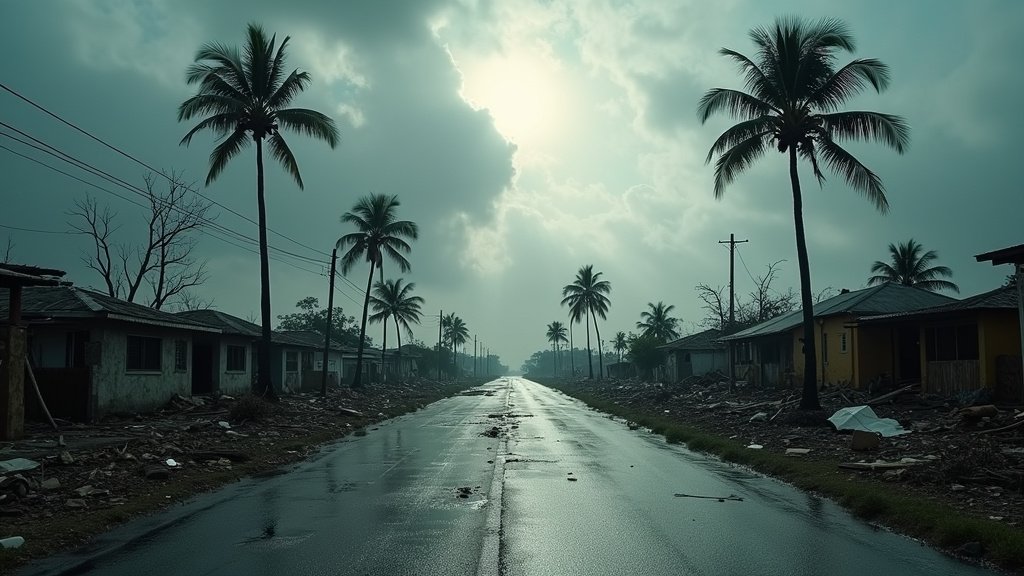
KINGSTON, JAMAICA – Hurricane Melissa, an unprecedented Category 5 storm, has delivered a devastating blow to Jamaica and the wider Caribbean, unleashing catastrophic winds, torrential rainfall, and life-threatening storm surge. Making landfall on October 28, 2025, Melissa etched its name in history as the most powerful hurricane ever to strike the island nation, surpassing even the notorious Hurricane Gilbert of 1988.
With sustained wind speeds reaching 185 mph and a staggering record-breaking wind gust of 252 mph recorded by dropsonde instruments, Hurricane Melissa’s sheer power has left a landscape of widespread destruction. The storm’s ferocity, amplified by unusually warm Caribbean waters, has scientists pointing to a clear link with human-induced climate change.
Unprecedented Intensity and Destruction
As Hurricane Melissa approached Jamaica, it underwent rapid intensification, a phenomenon where a storm’s wind speed increases dramatically in a short period. Climate scientists attribute this accelerated strength to ocean temperatures that were significantly warmer than average, conditions made more likely by global warming. This exceptional intensity allowed Melissa to reach Category 5 status, the highest on the Saffir-Simpson Hurricane Wind Scale, bringing winds of nearly 300 km/h and a severe storm surge of up to 13 feet (4 meters) along Jamaica’s southern coast.
Official meteorological bodies, including the U.S. National Hurricane Center (NHC), issued dire warnings of “catastrophic flash flooding and numerous landslides” as some areas braced for up to 40 inches of rain. The storm’s slow movement exacerbated the rainfall totals, overwhelming drainage systems and natural waterways.
A Nation Devastated
Jamaica bore the brunt of Melissa’s fury, with western and southern parishes suffering the most extensive damage. More than 122,000 dwellings were demolished or severely damaged, leaving tens of thousands of families homeless and displacing an estimated 30,000 people across the island. Thousands more remain in shelters as recovery efforts commence.
Infrastructure across the island has been crippled. Power outages affected approximately 66% of customers, and communication lines were severed, isolating many communities, particularly in parishes like St. Elizabeth, Westmoreland, and St. James. Roads have been washed away or blocked by landslides, complicating aid delivery and hampering restoration of essential services. Significant damage was also reported in the agriculture sector, with losses exceeding J$29.5 billion and over half of the island’s forests impacted.
Economically, the storm’s impact is staggering, with estimated monetary losses in Jamaica nearing US$10 billion, a figure that represents a substantial portion of the country’s GDP. The long road to recovery is underscored by the sheer scale of destruction, with many rural communities and critical health facilities devastated.
Regional Ripples and Human Cost
Hurricane Melissa’s destructive path extended beyond Jamaica, causing significant loss of life and damage across the Caribbean. Haiti reported at least 43 fatalities due to widespread flooding and landslides, adding to the nation’s existing hardships. Cuba, which experienced Melissa as a Category 3 hurricane, saw over 700,000 people evacuated, with considerable damage reported. Fatalities were also confirmed in the Dominican Republic, and warnings remained in effect for the Bahamas and Bermuda.
Cumulatively, at least 96 deaths have been attributed to Hurricane Melissa across the affected region, with 46 in Jamaica and 43 in Haiti. Relief organizations like Project HOPE and the International Organization for Migration (IOM) are on the ground, coordinating with the Government of Jamaica and other partners to deliver much-needed supplies, conduct needs assessments, and support the ongoing recovery efforts. The U.S. Department of State has mobilized support for affected communities, working with embassies and relief organizations.
The Climate Connection
Scientists emphasize that Hurricane Melissa serves as a stark illustration of how climate change is intensifying extreme weather events. Studies by organizations like World Weather Attribution indicate that human-caused climate change likely increased Melissa’s maximum wind speeds by approximately 7% and its rainfall by up to 16%, significantly amplifying its destructive potential and economic damage. The analysis suggests that without climate change, the storm’s wind speeds would have been notably less extreme, potentially reducing the overall devastation.
The unprecedented power and rapid intensification of Melissa underscore the urgent need to address global warming, as scientists warn that such devastating storms are likely to become more frequent and intense in a warming world. The news of Melissa’s impact has been followed closely across the globe, highlighting the interconnectedness of environmental challenges and the urgent need for climate action and robust disaster resilience strategies throughout the Caribbean and beyond.
The Government of Jamaica has established a portal for reporting incidents and requesting assistance, underscoring the immense task of rebuilding in the aftermath of this historic natural disaster. While international aid pledges have been made, the long-term recovery will require sustained support and a focus on building greater resilience against future climate-driven extreme weather.