
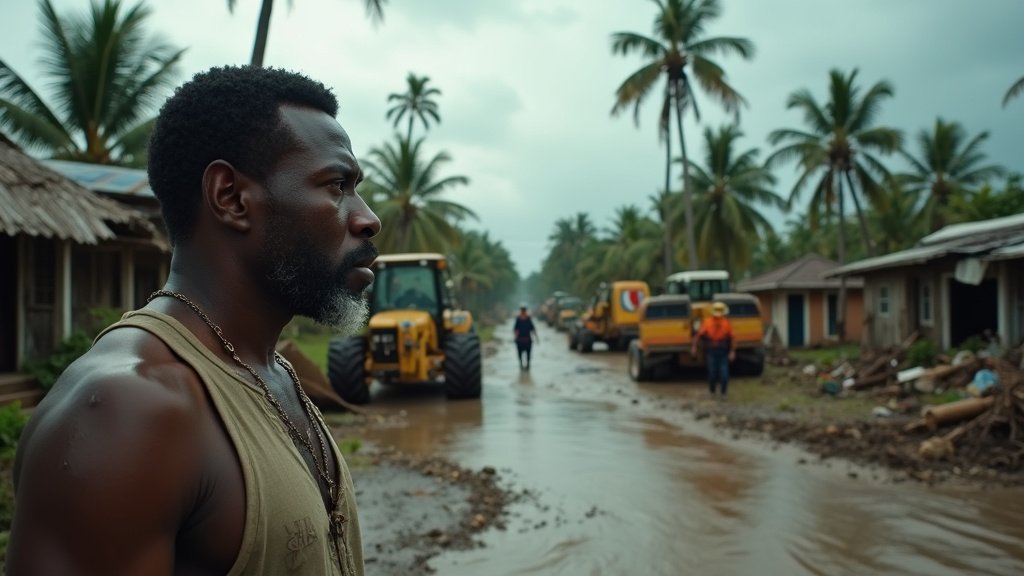
Jamaica is undertaking a monumental recovery effort in the wake of Hurricane Melissa, a Category 5 storm that unleashed unprecedented destruction across the island. The hurricane, one of the most powerful to ever make landfall in the Atlantic basin, has left a trail of devastation, prompting a massive response from local authorities, international partners, and aid organizations.
The Storm’s Catastrophic Fury
Hurricane Melissa made landfall on October 28, 2025, near New Hope, Westmoreland, as an “extremely powerful Category 5 hurricane”. With sustained winds of 185 miles per hour and recorded gusts of up to 252 mph, Melissa shattered previous records, leaving the island nation reeling. The storm’s impact was catastrophic, causing widespread destruction to infrastructure, homes, and agricultural lands across the western and southern regions of Jamaica. Initial assessments indicate that approximately 146,000 structures were damaged, with about 120,000 losing their roofs. The hurricane’s immense power and storm surge submerged communities, leaving entire towns “underwater” and others “obliterated”.
Human Toll and Immediate Response
The human cost of Hurricane Melissa has been immense. The confirmed death toll has risen to 45, with 15 individuals still missing, though authorities expect these numbers to climb as search and rescue operations continue. In the immediate aftermath, over 30,000 households were displaced, with thousands of residents initially relying on emergency shelters. The Jamaica Public Service Company (JPS) reported that around 530,000 people lost power following the storm. As of mid-November, JPS had restored electricity to approximately 300,000 customers, representing 64% of its service base, with significant focus on restoring power to critical facilities like hospitals and water pumps.
Economic Devastation and Infrastructure Collapse
The economic fallout from Hurricane Melissa is staggering, with preliminary estimates placing the physical damage at a record US$8.8 billion. This figure represents approximately 41% of Jamaica’s entire GDP for 2024, making it the costliest natural disaster in the island’s history. Residential buildings accounted for the largest share of damage at 41% (US$3.7 billion), followed by infrastructure (33% or US$2.9 billion) and non-residential buildings (20% or US$1.8 billion). The agricultural sector also suffered greatly, with at least 41,390 hectares of farmland damaged, affecting over 70,000 farmers and leading to the loss of more than 1.25 million animals.
The destruction has severely hampered recovery efforts, with over 4.8 million tonnes of debris, including rubble, vegetation, and household waste, blocking roads and impeding access to essential services, schools, and markets. Telecommunications were also heavily impacted, particularly in the western parishes. The tourism industry, vital to the Caribbean economy, faces significant challenges as officials race to repair hotels and clear debris ahead of the peak season.
A Wave of International and Local Aid
In response to the crisis, a significant wave of international and local support has been mobilized. CAF – Development Bank of Latin America and the Caribbean has approved US$670,000 in emergency grant funding for humanitarian and recovery efforts. The Inter-American Development Bank (IDB) and the World Bank are also providing substantial financial and technical assistance, with the IDB having a contingent credit facility ready for immediate disbursement. The United States has deployed a Disaster Assistance Response Team, offering search and rescue support and essential supplies. The UK has sent an Emergency Medical Team to provide direct healthcare and reinforce local capacity. Local entities, including the Jamaica Public Service Company, and volunteer groups like Team Rubicon, are working tirelessly on the ground, clearing debris, repairing infrastructure, and providing essential services.
Charting a Course for Recovery
While the scale of devastation is immense, the spirit of resilience is evident across Jamaica. The government, alongside international partners, is focused on rebuilding with resilience, aiming to better prepare the island for future climate impacts. Efforts are underway to restore essential services, clear roads, and support affected communities, though the task is long and arduous. The news of Hurricane Melissa’s impact has resonated globally, underscoring the vulnerability of small island nations in the Caribbean to intensifying climate change. The path to full recovery will require sustained support and strategic investment to rebuild lives, livelihoods, and critical infrastructure, ensuring a stronger future for Jamaica.