
Jamaica is mobilizing a comprehensive response to the devastating aftermath of Hurricane Melissa, a Category 5 storm that inflicted widespread destruction across the island. The hurricane, which made landfall on October 28, 2025, is the strongest ever recorded to strike Jamaica, causing an estimated $10 billion in damages and impacting millions of lives.
Widespread Devastation and Impact
Satellite data reveals catastrophic damage, particularly in the western regions of Jamaica, including Montego Bay and Black River, where a significant percentage of buildings and roads were severely affected. St. James, Westmoreland, and St. Elizabeth parishes bore the brunt of the storm’s fury, with entire communities left inundated and flattened. The agricultural heartland also suffered immense losses, threatening national food security, with banana trees particularly vulnerable. Fishing communities across the island have reported catastrophic damage, including a 100% loss of vessels in some areas and destruction of critical infrastructure. Power outages affected a vast majority of customers, with nearly 72% of customers lacking electricity in the immediate aftermath. Tragically, at least 96 fatalities were attributed to Hurricane Melissa across Jamaica and neighboring countries, with tens of thousands displaced.
Mobilizing National and International Aid
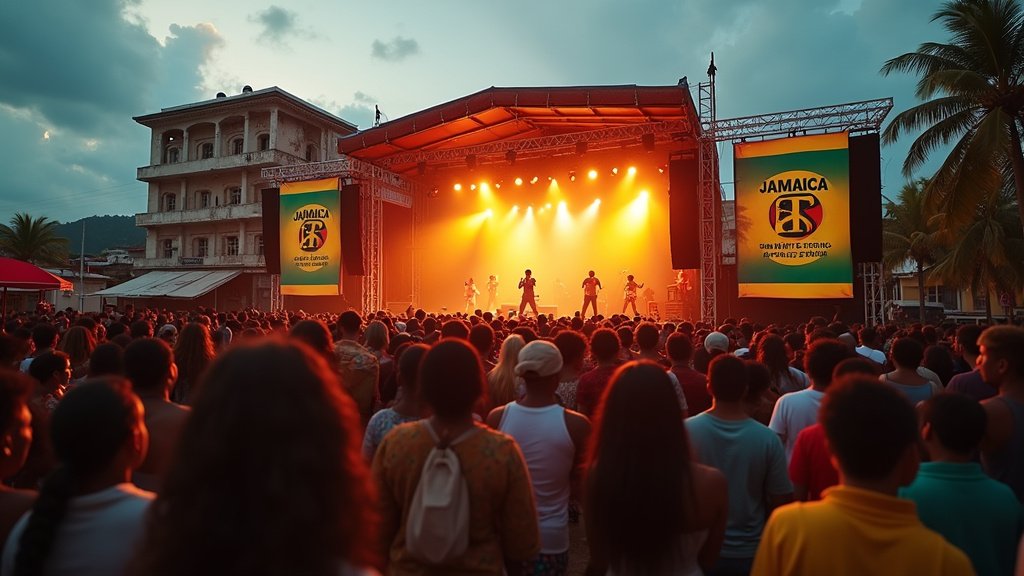
In the face of this immense challenge, the Jamaican government has launched extensive recovery efforts. The Office of Disaster Preparedness and Emergency Management (ODPEM) is coordinating national disaster functions, working alongside various ministries and local authorities. The Ministry of Culture, Gender, Entertainment and Sport, led by the Honourable Olivia Grange, is spearheading morale-boosting initiatives, including the “I Love Jamaica” Concert Series. This series, featuring prominent Jamaican and international artists, aims to raise critical resources for national recovery. A significant event in this series is the “Jamaica Strong Benefit Concert” scheduled for December 12, 2025, at UBS Arena in New York, headlined by Shaggy and Sean Paul, with all proceeds directed to the Government of Jamaica’s official Hurricane Relief Fund.
Community-Led Relief Efforts
Beyond government initiatives, the private sector and individual artists are playing a crucial role. Dancehall artist Masicka, through his MADE Foundation, has launched a significant relief effort, providing essential items like food and building materials to affected communities, starting with St. Elizabeth. Red Stripe has partnered with the MADE Foundation to support these endeavors. The diaspora’s involvement is highlighted as central to the recovery, with various organizations and corporations contributing to the island’s needs. The United States has also mobilized support, deploying a Disaster Assistance Response Team and providing significant financial aid for recovery efforts.
Long-Term Recovery and Resilience
The devastation from Hurricane Melissa underscores the vulnerability of Caribbean nations to extreme weather events, with the region facing recurrent storm damages that impact GDP and development trajectories. The Jamaican government is committed to rebuilding stronger and more resilient communities, with targets set for the restoration of key sectors like tourism by mid-December 2025. International bodies like UNESCO are also providing technical expertise in education, culture, and communication to aid in the recovery and preservation of cultural heritage sites. The nation is focusing on establishing robust disaster risk financing policies and mobilizing all available resources to ensure a comprehensive and sustainable recovery in the wake of this catastrophic event. The journey ahead is undoubtedly challenging, but the unified efforts of the government, local communities, the diaspora, and international partners signal a strong commitment to rebuilding Jamaica.