
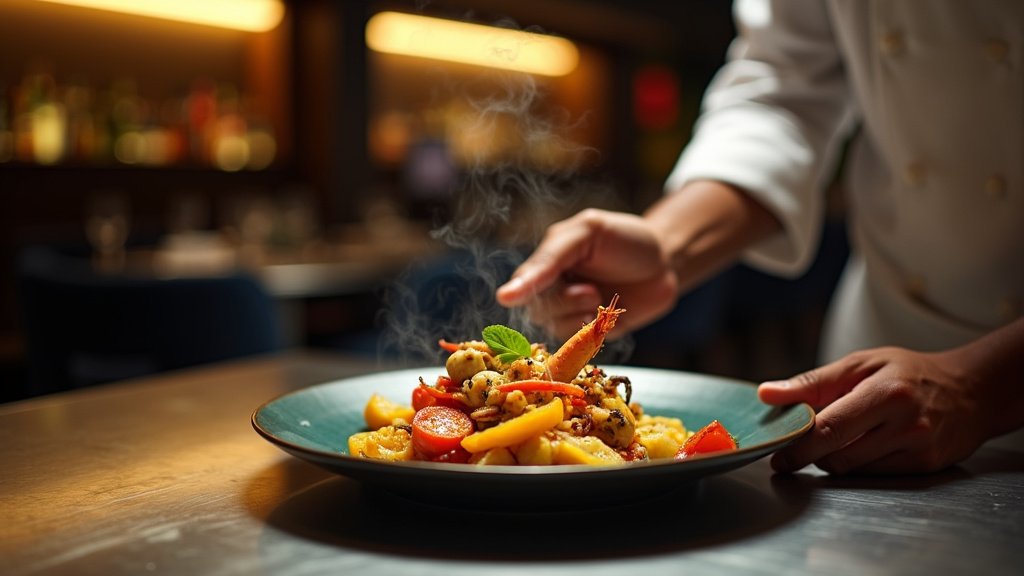
The vibrant and complex flavors of Afro-Caribbean cuisine are no longer a niche offering but a powerful culinary force, capturing the attention of diners and chefs alike across America and beyond. What was once considered casual fare is now being celebrated on upscale menus, signaling a significant shift in the global food landscape. This evolution is not merely a trend but a recognition of a rich heritage, a testament to centuries of cultural fusion, and a reflection of contemporary appetites for bold, authentic tastes.
A Rich Tapestry of History
The roots of Afro-Caribbean food are as diverse and deep as the region itself, stemming from a profound confluence of cultures. Primarily, it is shaped by the culinary traditions brought from West Africa by enslaved peoples, who adapted their knowledge and ingredients to the bounty of their new homes. This foundation was further enriched by the arrival of indentured laborers from India and China, who introduced spices, rice cultivation, and new cooking techniques. Indigenous ingredients and influences from European colonizers also played a part, creating a unique gastronomic tapestry that tells a story of resilience, adaptation, and cultural exchange. This historical blend has given rise to iconic dishes and staple ingredients that form the heart of Afro-Caribbean cooking.
The Palette of Afro-Caribbean Flavors
The allure of Afro-Caribbean cuisine lies in its distinctive and often exhilarating flavor profiles. It is characterized by a masterful use of spices, with ingredients like scotch bonnet peppers, allspice, thyme, and ginger creating both heat and aromatic depth. Staples such as plantains, yams, cassava, and various legumes form the backbone of many dishes, complemented by an abundance of fresh seafood and flavorful, often inexpensive, cuts of meat. Ingredients like callaloo, a leafy green, and the ubiquitous rice and peas, showcase the region’s agricultural richness and culinary ingenuity. Diners today are particularly drawn to the cuisine’s celebrated ability to balance sweet and spicy notes, evident in dishes ranging from classic jerk chicken to more contemporary creations.
Modern Culinary Masters Elevating Tradition
Chefs are increasingly at the forefront of this culinary movement, transforming Afro-Caribbean food from humble origins to sophisticated dining experiences. Figures like Kwame Onwuachi, known for his restaurants Tatiana and Dōgon, are celebrated for bringing Afro-Caribbean influences to fine dining, blending his Nigerian, Jamaican, and Creole heritage into inventive menus. Chef Adrian Forte, author of “Yawd: Modern Afro-Caribbean Recipes,” is another key voice, showcasing elevated comfort classics that highlight the cuisine’s versatility. These chefs are not just cooking; they are curating experiences, often drawing inspiration from their heritage while employing modern techniques to appeal to a diverse clientele. Restaurants like Compère Lapin by Nina Compton and Kith and Kin by Kwame Onwuachi exemplify this upscale approach, proving that Afro-Caribbean dishes can command a place at any table.
Healthful and Hearty Appeal
Beyond its captivating flavors, Afro-Caribbean food resonates with today’s health-conscious consumers. Many dishes are naturally vegan and gluten-free, aligning with growing dietary preferences for plant-based and whole-food meals. The emphasis on fresh fruits, vegetables, and lean proteins contributes to its reputation as nourishing and healing cuisine. This inherent healthfulness, combined with its rich, comforting nature, makes it an appealing choice for a wide audience seeking both taste and wellness.
The Evolving Plate for Today and Tomorrow
Afro-Caribbean cuisine is not just trending today; it’s poised for continued growth and influence. Reports indicate a steady increase in its presence on menus and growing consumer awareness. This culinary journey reflects broader global trends in food, including a desire for authentic flavors, cultural exploration, and fusion dishes. As more chefs continue to innovate and share their heritage, Afro-Caribbean food is set to become an even more integral and celebrated part of the global culinary conversation, offering a delicious window into diverse histories and vibrant cultures through its recipes.