
Bonaire offers a rich caribbean culinary journey. This island has a unique food scene. It blends tradition with innovation. Dutch, Spanish, African, and South American influences shape its cuisine. Early islanders used local resources. Goat stews and seafood soups were common. Today, Bonaire’s food reflects creativity. It embraces its diverse heritage. This destination is an adventurous place to eat.
A Taste of History and Local Flavors
Bonaire’s history is deeply connected to its food. Centuries of trade and migration created a melting pot. The arid island presented challenges for growing produce. Therefore, early cooks relied on available items. Goat stews, known as “stoba,” became a staple. Chicken stews and hearty seafood soups were also popular. Rice and beans provided essential sustenance. Traditional Creole cuisine shines at ‘kunuku’ kitchens. These rural spots offer authentic dishes. Cactus Fence Supreme serves goat stew. It also offers salted fish with sweet polenta. Posada Para Mira provides stunning views. You can try iguana soup there. These meals feel like a welcome to a friend’s home. They are true tastes of Bonaire today.
Embracing Innovation: Lionfish and Cactus Liqueur
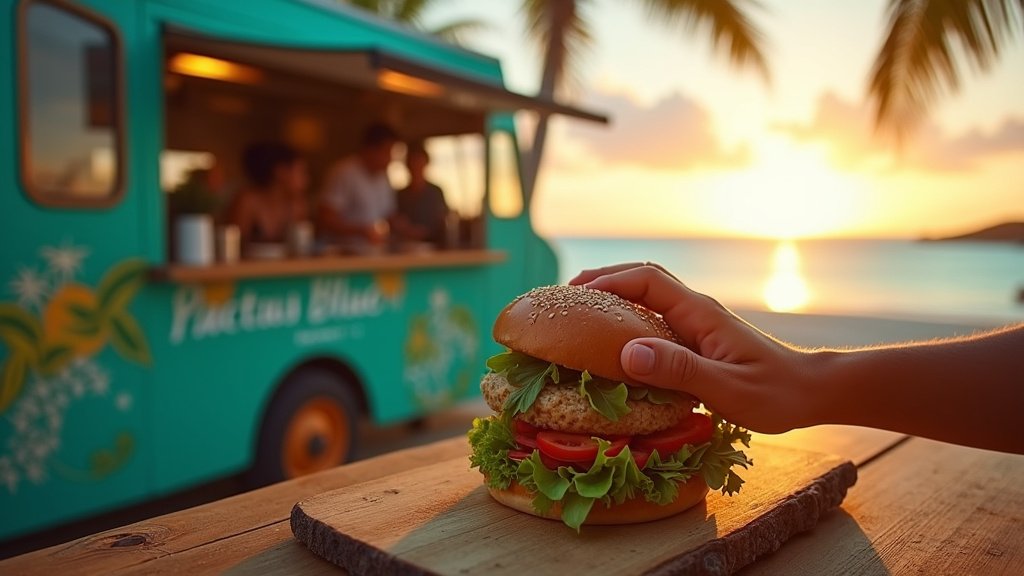
Modern chefs are transforming Bonaire’s food scene. They use local and even invasive species. Lionfish are a prime example. These venomous fish harm coral reefs. Eating them helps the environment. Lionfish have mild, buttery meat. It tastes similar to lobster. You can find lionfish burgers. Try them at food trucks like Cactus Blue. New York-style lionfish pizza is also available. It offers a unique caribbean food experience. Another local innovation is cactus liqueur. The native cadushy cactus grows abundantly. The Cadushy Distillery transforms it. It makes a tart and refreshing liqueur. Native Caquetío people used the cactus historically. Today, it’s a celebrated drink. The distillery also uses other local ingredients. Basil, aloe vera, and soursop are common. This shows Bonaire’s spirit of resourcefulness. It is a taste of the island’s future.
Culinary Adventures on Water and Land
Bonaire offers diverse dining experiences. You can enjoy fine dining or casual eateries. Melisa Sailing provides a unique option. It combines a sunset cruise with fine dining. A six-course tasting menu is served. Dishes feature caribbean and Asian influences. Wahoo ceviche and tuna sashimi are highlights. Brass Boer Bonaire offers another sophisticated choice. It blends European techniques with island flavors. Dishes like pineapple carpaccio are featured. Restaurants often use fresh, local ingredients. This includes the catch of the day. Mahi-mahi and snapper are popular seafood choices. Many eateries also use local goat cheese. Tropical fruits enhance many recipes. For a casual bite, explore food trucks. They offer tasty burgers and wraps. These options provide flexibility for any traveler.
Exploring the Café Culture and Local Brews
The capital city, Kralendijk, has a vibrant café scene. Places like Number Ten and Bagel & Bloom offer variety. These spots are great for breakfast or lunch. They provide a glimpse into daily island life. Drinks are also a significant part of Bonaire’s culture. The Cadushy Distillery offers more than just liqueur. They also produce rum, whiskey, and vodka. Rom Rincón is a well-regarded local rum. Tasting these spirits connects you to the island’s heritage. Many restaurants focus on tasting journeys. They offer expertly curated drink pairings. This enhances the overall dining experience. It makes every meal a celebration. Exploring these tastes is key to understanding Bonaire. It’s a perfect way to discover local recipes.
Bonaire is more than just beautiful waters. It is a culinary capital. Its food tells a story. It speaks of history and adaptation. From traditional stews to innovative dishes, it delights. The island’s diverse ingredients are celebrated. Its culinary news is exciting today. Bonaire invites you to explore its flavors. Come hungry and leave inspired. This caribbean gem offers unforgettable food memories.