
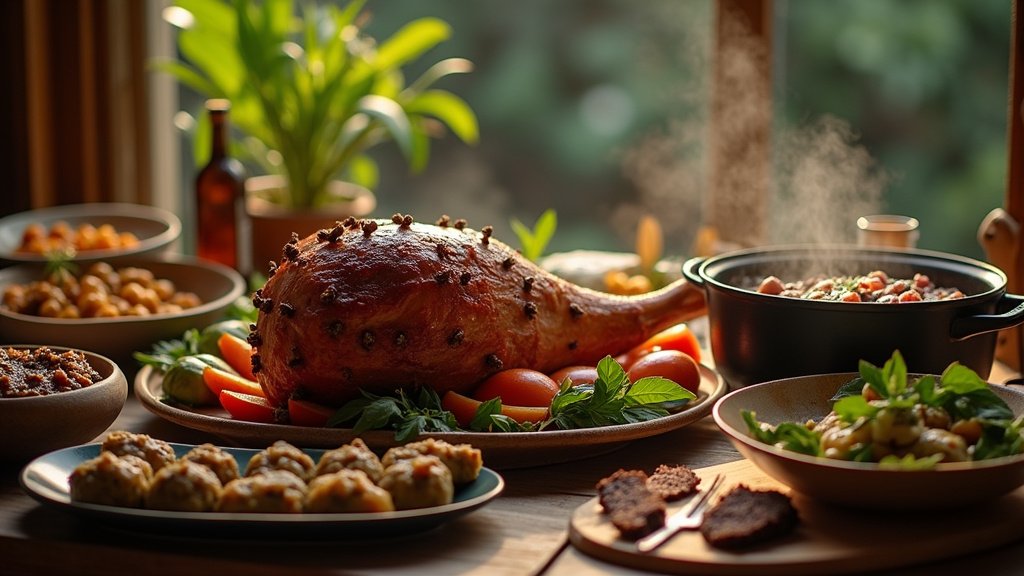
The holiday season across the Caribbean is a vibrant tapestry woven with rich culinary traditions, family gatherings, and a spirit of festive cheer. Across the islands, the air fills with the aromas of unique dishes, each telling a story of heritage and communal celebration. From Guyana’s iconic Pepper Pot to Barbados’ festive Great Cake and Jug Jug, these foods are more than just meals; they are symbols of togetherness and cultural pride.
A Symphony of Caribbean Holiday Flavors
The Caribbean’s culinary landscape during the holidays is a testament to its diverse history, blending influences from Indigenous peoples, European colonizers, African slaves, and later indentured laborers from India, China, and the Middle East. This fusion results in a unique array of dishes that define festive celebrations across the region.
Guyana’s Enduring Pepper Pot
Guyana’s national dish, Pepper Pot, is a slow-cooked, hearty meat stew deeply rooted in Amerindian traditions. Its distinctive flavor comes from cassareep, a dark sauce derived from the cassava root, combined with cinnamon, hot peppers, and various meats like beef, pork, or mutton. Traditionally prepared in a large pot, Pepper Pot can be reheated and enjoyed over several days, thanks to the preserving qualities of cassareep. It is a dish typically reserved for special occasions, especially Christmas and Boxing Day, symbolizing unity and shared history.
Barbados’ Festive Triad: Jug Jug, Great Cake, and Ham
Barbados presents a celebrated trio of holiday dishes that are central to its Christmas feasts. Jug Jug, a hearty dish inspired by Scottish haggis, is a unique blend of pigeon peas or lentils, guinea corn flour, herbs, and salted meat, offering a savory depth of flavor. Great Cake, often referred to as Black Cake or Rum Cake in other islands, is Barbados’ rich fruitcake equivalent. It features dried fruits soaked for weeks in generous amounts of rum, along with spices like cinnamon and nutmeg, a nod to its evolution from British plum pudding with added Bajan flair. The festive table is often completed with a glazed, clove-studded ham, basted with favorites like pineapple or sorrel glaze, its crispy fat a particular delight.
Pastelles: A Delicacy Wrapped in Tradition
Pastelles are a treasured delicacy found throughout the Caribbean, with origins tracing back to Venezuela. These savory parcels are typically made from a cornmeal dough filled with seasoned minced meat (beef, pork, or chicken), and sometimes other ingredients like olives and raisins. They are traditionally wrapped in banana leaves and steamed, creating a flavorful bite that has become a must-have during the Christmas season. Making pastelles is often a communal family affair, reinforcing their significance as a symbol of heritage and connection.
A Spectrum of Caribbean Christmas Cuisine
Beyond these highlights, the Caribbean’s festive food scene is rich and varied. Many islands feature a beloved Christmas ham, often glazed with fruits like pineapple or honey, and infused with spices. Curried goat remains a popular main dish, a slow-cooked stew rich with West Indian spices. Rice and peas, or red beans and rice cooked in coconut milk, are essential accompaniments.
Drinks are equally vital to the celebrations. Sorrel, a ruby-red beverage made from hibiscus flowers, ginger, cloves, and orange zest, is a festive staple, often enjoyed with or without rum. Ponche de Crème, a creamy, rum-infused drink akin to eggnog, is popular in Trinidad and Tobago and other islands, spiced with nutmeg and cinnamon.
Modern Celebrations and Enduring Traditions
Today, these dishes continue to be central to Caribbean holiday celebrations, passed down through generations and adapted with personal touches. Families gather to prepare these dishes, turning cooking into a communal activity and a joyous ritual. Whether it’s the deep, slow-cooked flavors of Pepper Pot, the sweet indulgence of Great Cake, or the comforting warmth of pastelles, Caribbean holiday food offers a delicious connection to heritage, family, and the spirit of the season. The news today is that these cherished traditions are not only alive but continue to be celebrated with passion and pride across the Caribbean diaspora.