
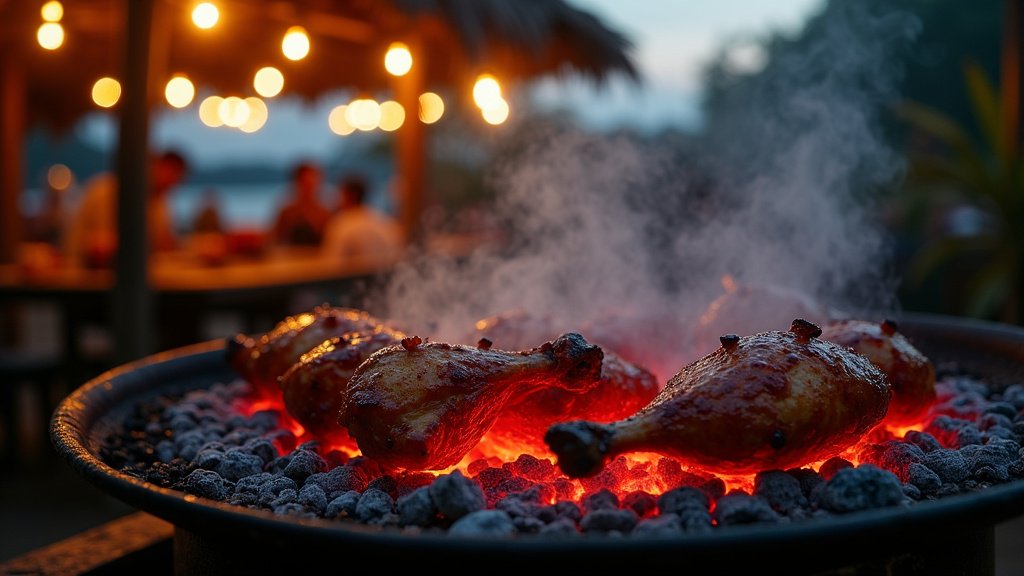
Jamaican Jerk Chicken is more than just a dish; it’s a culinary icon, deeply woven into the fabric of Jamaica’s history and vibrant food culture. This beloved Caribbean staple, celebrated for its distinctive smoky aroma, bold spice blend, and mouthwatering flavor, represents a legacy of resilience, innovation, and a rich fusion of indigenous and African heritage.
The Roots of ‘Jerk’: A Taste of History
The origins of jerk cooking trace back to the indigenous Taíno people of Jamaica, who developed methods of preserving and cooking meat over open flames, infusing it with local spices and peppers. This ancestral technique laid the groundwork for what would become known globally as ‘jerk.’ In the 17th century, escaped African slaves, known as Maroons, fleeing Spanish and later British rule, sought refuge in Jamaica’s rugged mountains. They adopted and refined the Taíno’s cooking methods, combining them with their own African spices and techniques. This adaptation created a distinctive cooking style, allowing them to prepare food in secret, away from colonial forces, and became a symbol of their survival and defiance. The name ‘jerk’ itself is believed to stem from the Spanish word ‘charqui,’ meaning dried or preserved meat, the precursor to modern jerky.
The Quintessential Spice Blend
Authentic Jamaican jerk seasoning is a complex symphony of flavors, built upon a foundation of key ingredients. At its heart are Scotch bonnet peppers, native to the Caribbean, which provide an intense, fruity heat that is essential to the dish’s character. While similar to habaneros, Scotch bonnets are often prized for their slightly sweeter, more tropical citrus notes, making them the preferred choice for traditional jerk. Complementing the heat is allspice, known locally as ‘pimento,’ which lends a warm, earthy, and aromatic depth that is unmistakably jerk. The marinade is further elevated by fresh aromatics like thyme, green onions (scallions), garlic, and ginger, which add layers of complexity and fragrance. Other spices such as cinnamon, nutmeg, and black pepper often join the mix, creating a truly unforgettable flavor profile. Marinades commonly incorporate soy sauce, vinegar, lime juice, and brown sugar, balancing the savory, spicy, and sweet elements.
The Sacred Smoke: Pimento Wood and Beyond
Perhaps the most defining characteristic of traditional jerk chicken is its smoky essence, traditionally imparted by cooking over green pimento wood. This wood, sourced from the same tree that produces allspice, is native to Jamaica and is renowned for its unique, aromatic smoke that infuses the meat with an unparalleled depth of flavor. The slow-roasting process over this wood not only cooks the meat to tender perfection but also creates the signature ‘jerk’ flavor. However, pimento wood can be difficult to source outside of Jamaica. Enthusiasts often turn to substitutes such as hickory, apple, or cherry wood chips and chunks, or even employ methods like adding allspice berries or bay leaves to the coals or a smoking pouch to mimic the authentic taste. While traditional methods involve open fires and pits, modern adaptations frequently utilize charcoal grills, smokers, or even ovens to achieve the desired smoky, spicy, and savory notes, bringing the taste of the Caribbean to kitchens worldwide.
A Cultural Cornerstone
Jerk chicken has transcended its origins as a survivalist method to become a global culinary ambassador for Jamaican culture. It is more than just a meal; it is an integral part of social gatherings, festivals, and everyday life in Jamaica. Street-side jerk centers are vibrant hubs of community, music, and tradition, showcasing the communal spirit of the island. Whether served with rice and peas, fried plantain, or festival (a type of sweet fried dumpling), Jamaican Jerk Chicken remains a testament to the island’s ingenuity, resilience, and its enduring passion for bold, flavorful food, making it a must-try for food lovers today.