
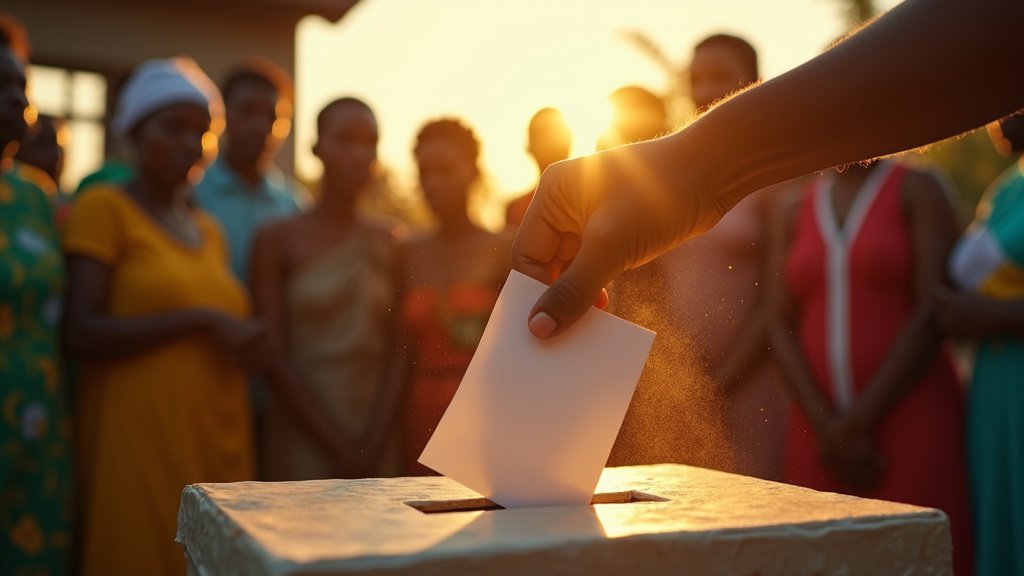
The year 2025 has emerged as a pivotal period for democracy across the Caribbean, marked by a series of significant electoral contests and a heightened focus on the region’s political evolution. Amidst this dynamic landscape, the Caribbean Studies Association (CSA) has launched an insightful initiative, ‘CSA Voices – Caribbean Elections 2025: Democracy in Motion.’ This endeavor serves as a critical platform, bringing together scholars and analysts to dissect the intricacies of electoral processes and democratic governance as they unfold throughout the region.
A Critical Juncture: The Electoral Landscape of 2025
Across the diverse nations of the Caribbean, 2025 is proving to be an unusually active year for general elections. Countries such as Trinidad and Tobago, Jamaica, Guyana, Suriname, and St. Vincent and the Grenadines are commanding regional attention as voters decide the direction of their governments. Beyond these major CARICOM members, nations like Bermuda, Turks and Caicos Islands, and Curacao are also heading to the polls, underscoring a widespread engagement with democratic processes. This flurry of electoral activity follows a period where many governments contended with unprecedented challenges, including the lingering effects of the COVID-19 pandemic, escalating issues of gun violence, the undeniable impacts of climate change and natural disasters, and persistent economic vulnerabilities. The upcoming elections will test the resilience of established political systems and the mandate of incumbent administrations, all while reflecting the evolving aspirations of Caribbean citizens.
The Caribbean Studies Association’s ‘CSA Voices’
At the forefront of analyzing these crucial developments is the Caribbean Studies Association (CSA), a well-established professional organization dedicated to promoting multidisciplinary and multicultural Caribbean studies. The ‘CSA Voices – Caribbean Elections 2025: Democracy in Motion’ series is designed to be more than just a commentary on election outcomes; it is a scholarly forum for in-depth discussion and critical analysis. By hosting contributions from academics and commentators, the CSA aims to provide nuanced perspectives on the unique contexts of each election, the underlying socio-political currents, and the broader implications for democratic health in the Caribbean. Presenters such as Senator Dr. Maziki Thame, Dr. Bishnu Ragoonath, and commentator Mr. Kenrick Quashie are lending their expertise to illuminate these complex issues. This initiative exemplifies the CSA’s commitment to fostering informed dialogue and advancing the understanding of democratic practices within the region.
Key Themes in Caribbean Democratic Discourse
The ‘CSA Voices’ series and the broader political discourse of 2025 in the Caribbean are grappling with several overarching themes. Foremost among these is the resilience of democratic institutions in the face of significant external and internal pressures. Many Caribbean nations are navigating economic volatility and the existential threat of climate change, which inevitably shape electoral platforms and public priorities. Analysts are examining how these factors influence voter sentiment and government accountability. Another critical area of focus is youth engagement and political participation. As younger generations become more active, their perspectives are increasingly vital to the democratic process, leading to discussions on how electoral systems can become more inclusive and responsive to their concerns, often amplified through digital platforms and social media.
Furthermore, the ongoing quest for electoral reform and governance enhancement remains a constant thread. Countries are continuously seeking to bolster the integrity, transparency, and fairness of their electoral mechanisms. This includes addressing issues such as campaign finance, voter registration, and the role of independent electoral bodies. The pervasive challenge of disinformation and its impact on democracy is also a growing concern, testing the ability of citizens to make informed choices and weakening the consensus needed for collective progress. The series also touches upon the evolving geopolitical landscape, including shifts in U.S. policy towards the region and its implications for regional security and diplomacy.
Democracy in Action: Elections, Debates, and Citizen Impact
The electoral year of 2025 showcases democracy not just as an abstract concept, but as a lived experience. In Jamaica, for instance, the news surrounding its election campaign has featured robust political debates hosted by the Jamaica Debates Commission (JDC), providing voters with a direct comparison of candidates’ policies and visions. These debates, broadcast widely, encourage a more informed electorate and promote civil discourse. Such platforms are essential for voters to scrutinize candidates and their proposals, ultimately influencing electoral outcomes. The discussions surrounding these elections often highlight the deep connection between political stability and the everyday lifestyle of Caribbean citizens. Policies enacted by elected governments directly affect economic opportunities, social services, educational access, and environmental sustainability, shaping the quality of life for communities across the islands. The news emerging from electoral processes, whether it concerns potential government changes in Trinidad and Tobago, the economic strategies in Guyana driven by oil production, or the efforts to combat crime and ensure security, all resonate with the daily realities faced by people in the Caribbean.
The Broader Implications and Future Outlook
The ‘CSA Voices’ initiative underscores that democracy in the Caribbean is not static but a continuous process of adaptation and evolution. The outcomes of the 2025 elections will undoubtedly have far-reaching implications, influencing not only domestic development agendas but also the region’s collective stance on the global stage. The resilience shown by Caribbean nations in holding elections amidst global uncertainties speaks volumes about their commitment to democratic principles. However, challenges related to corruption, institutional weaknesses, and the constant need to adapt to new threats like disinformation require sustained attention and proactive governance. The CSA’s engagement through this series is vital, offering academic rigor and independent analysis to support these ongoing democratic endeavors. As the region moves forward, the collective efforts to strengthen governance, enhance citizen participation, and ensure that democracy truly works for all will be paramount in shaping a prosperous and equitable future for the Caribbean. The ongoing analyses from the ‘CSA Voices’ series provide invaluable insights into this vital, unfolding narrative of democracy in motion.