
Caribbean Homes 2025: A Fusion of Climate-Smart Design, Cultural Heritage, and Sustainable Lifestyles
The Caribbean, a region synonymous with vibrant culture, breathtaking landscapes, and a relaxed way of life, is witnessing a dynamic evolution in its home design and architectural trends. As we look towards 2025, the architectural landscape is a compelling narrative of tradition meeting innovation, where climate resilience, sustainability, and a deep connection to the natural environment are paramount. This ongoing transformation reflects not just a shift in building practices but a broader embrace of a distinctive Caribbean lifestyle, making homes in the region more than just structures—they are embodiments of cultural identity and environmental stewardship.
The Enduring Influence of Climate: Designing for the Tropics
At the forefront of Caribbean architecture is an unwavering response to the region’s tropical climate. For decades, designers and architects have prioritized features that harness natural ventilation and maximize airflow and natural light, a tradition that remains central to contemporary design. High ceilings, generous open spaces, and expansive verandas and courtyards are not mere aesthetic choices but functional necessities. These elements allow the gentle trade winds to permeate living spaces, offering passive cooling and reducing reliance on energy-intensive air conditioning systems. Strategic building orientation is crucial, with designs often positioned to capture prevailing breezes while being protected from excessive solar radiation, a principle deeply embedded in successful tropical modernism. The design news of 2025 continues to emphasize these climate-responsive strategies, ensuring that homes are not only comfortable but also energy-efficient and in harmony with their surroundings.
A Tapestry of Cultures: Blending Heritage and Modernity
The architectural heritage of the Caribbean is a rich mosaic, reflecting centuries of diverse cultural influences. Indigenous peoples, African diasporas, and various European colonizers (Spanish, French, British, Dutch) have all contributed distinct elements that have fused into uniquely Caribbean styles. This fusion is evident in the vibrant colors, intricate patterns, and the very layout of homes, from the colonial-era verandas and courtyards to the more subtle influences found in detailing and material choices. While modernism introduces clean lines and minimalist aesthetics, it often does so by reinterpreting these vernacular traditions, creating a dialogue between the past and the present. This respectful integration ensures that contemporary designs honor the region’s deep-rooted cultural identity, adding a layer of narrative and soul to the built environment.
The Rise of Sustainable and Resilient Design
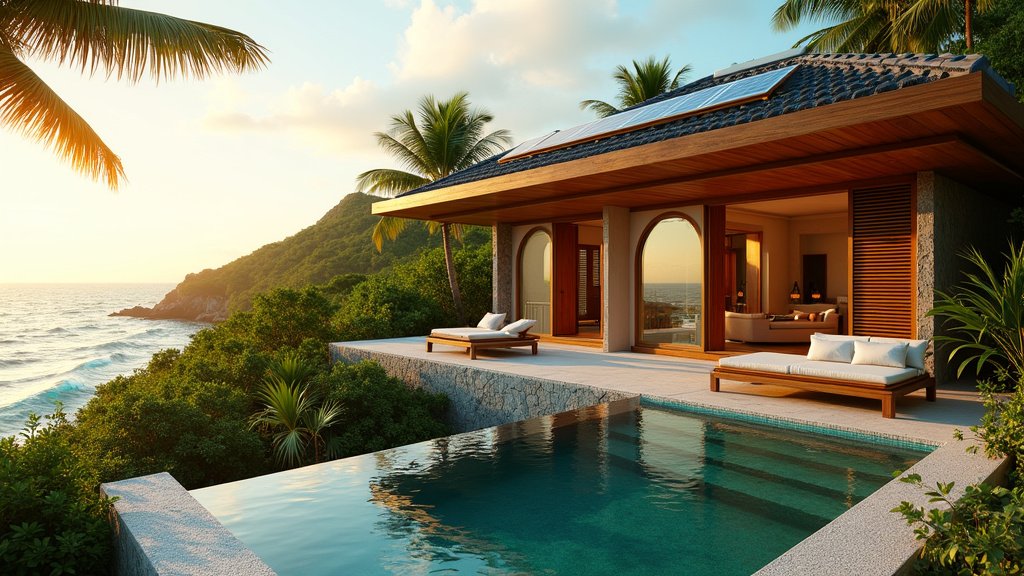
In an era acutely aware of climate change, sustainability and resilience are no longer optional but essential components of Caribbean construction. The news and emerging trends point towards a significant shift towards eco-friendly building practices. This includes the extensive use of locally sourced and recycled materials, such as bamboo, volcanic ash, and recycled aggregates, which reduce the carbon footprint and promote responsible resource management. Renewable energy integration, particularly solar panels, is becoming standard, offering significant energy savings and reducing reliance on fossil fuels. Water conservation through rainwater harvesting systems is also a key focus, addressing potential water scarcity issues. Furthermore, with the region’s vulnerability to extreme weather events like hurricanes, resilient design principles—incorporating reinforced concrete, impact-resistant windows, and robust roofing—are critical. Green building standards, such as LEED, are increasingly being adopted, guiding developers toward creating structures that are both environmentally conscious and built to withstand the elements.
Seamless Indoor-Outdoor Living: Embracing the Caribbean Lifestyle
Perhaps one of the most celebrated trends in Caribbean home design is the seamless integration of indoor and outdoor living spaces. This concept is deeply ingrained in the region’s lifestyle, where the pleasant climate encourages life to spill out of doors. Architects and designers are employing strategies that blur the lines between interior and exterior, creating fluid transitions that expand living areas and foster a deep connection with nature. This is achieved through the use of large glass doors, bi-fold or pocket doors that can disappear entirely, and unified flooring materials that extend from interior rooms to patios and decks. Outdoor kitchens, al fresco dining areas, covered terraces, and pergolas are becoming integral parts of the home, designed as functional extensions of interior rooms. This approach not only enhances the sense of space and light but also caters to the Caribbean’s social culture, facilitating gatherings and embracing the relaxed outdoor lifestyle.
Modernism Meets the Tropics: Evolving Aesthetics
While tradition remains a strong influence, modern design principles are also shaping the Caribbean architectural scene. The evolution of Caribbean Modernism involves blending clean lines and minimalist aesthetics with the region’s unique context and climate. This often translates into designs that emphasize natural materials, organic shapes, and a sophisticated yet relaxed feel. For 2025, trends like rounded furniture and organic modern styles are influencing interiors, encouraging soft, flowing shapes and natural materials. Arches, a feature that can enhance both aesthetics and airflow, are also making a notable resurgence in doorways and decorative elements, offering a timeless Caribbean appeal. The incorporation of warm wood tones and textures is moving away from cooler palettes, adding a natural coziness that perfectly complements tropical settings, whether structurally or decoratively.
Materials and Craftsmanship: A Foundation for Durability and Beauty
The selection of materials is fundamental to Caribbean architecture, balancing aesthetic appeal with the demands of the climate and the need for sustainability. Traditional materials like timber, limestone, and coral blocks, known for their natural insulation properties, are being revitalized and complemented by modern, eco-friendly alternatives such as bamboo, recycled concrete, and plastics. Advanced design software assists in precise planning for energy efficiency, while a renewed focus on skilled craftsmanship ensures that both traditional techniques and modern innovations are applied effectively. The use of resilient materials like reinforced concrete and treated timber for walls and roofs is paramount for structural stability against hurricanes and other environmental stresses.
Conclusion: A Vision for Future Caribbean Homes
The architectural and design trends emerging in the Caribbean for 2025 paint a picture of homes that are deeply rooted in their environment and culture, yet forward-looking in their embrace of sustainability and modern living. These homes are characterized by their intelligent response to climate, their respect for heritage, their commitment to eco-friendly practices, and their seamless integration of indoor and outdoor spaces. The result is a design narrative that is both timeless and contemporary, offering a blueprint for residences that are not only beautiful and functional but also resilient and harmonious with the planet. This evolving approach to Caribbean architecture ensures that homes in the region continue to embody the essence of island life, setting a benchmark for sustainable and culturally rich living.