
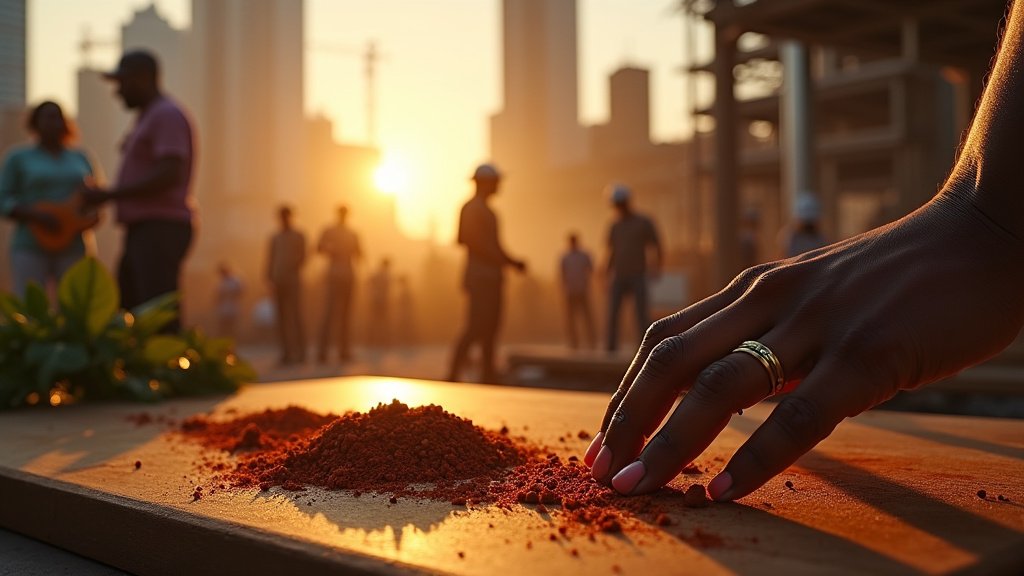
Caribbean immigrants are foundational. They helped build America in countless ways. Their story is often overlooked. This article reveals their profound impact. It spans centuries of dedication. It covers economic growth and cultural richness.
Early Arrivals and Foundations
The Caribbean diaspora in the U.S. is vast. It numbers over 9.1 million people. Many trace their roots to Cuba, Jamaica, or the Dominican Republic. However, their presence began much earlier. Enslaved Africans from Barbados arrived in the 17th century. They worked plantations in British colonies. Later, the Haitian Revolution brought refugees north.
By the 19th century, migration grew. It intensified after the Civil War. Skilled craftsmen and scholars arrived. They sought better opportunities. They brought diverse talents and dreams. This wave laid important groundwork.
Filling Crucial Labor Needs
In the 20th century, demand for labor surged. U.S. firms recruited Caribbean workers. They helped build the Panama Canal. Many then settled in New York. During World War II, shortages were acute. Caribbean workers filled critical gaps. They worked in agriculture, especially in Florida.
After the war, recruitment continued. Companies sought English-speaking workers. They came from Barbados, Jamaica, and the Bahamas. Jobs were in healthcare and agriculture. These immigrants often took roles others found too hard. Or they took jobs considered too low-paying.
A Powerful Economic Force
Caribbean immigrants are vital to the U.S. economy. They contribute billions annually. Small and medium-sized businesses thrive due to them. They are prominent in food service and restaurants. Retail, hospitality, and tourism also benefit greatly. They dominate niches like fashion and haircare.
Entrepreneurship is a hallmark. Many transformed dreams into successful ventures. They often face challenges. Access to capital is a persistent issue. Yet, their drive is undeniable. They create jobs and boost local economies.
Healthcare Heroes and Public Servants
Women from the Caribbean made huge contributions. They became essential nurses and healthcare workers [Initial Context, 1, 4, 15]. These professionals are invaluable to the U.S. system. They work as home health aides and surgeons. They are often on the front lines.
Men often secured public-sector jobs [Initial Context]. Their service strengthened communities. They contributed to public well-being. Their dedication built trust and stability.
Enriching American Culture
The Caribbean diaspora has deeply shaped U.S. culture. Music is a prime example. Reggae, calypso, and dancehall have global influence. Harry Belafonte popularized calypso music. DJ Kool Herc, a Jamaican immigrant, is called the “Father of Hip-Hop”.
Cuisine is another vibrant contribution. Jerk chicken and doubles are now American staples. These flavors bring people together. They represent rich traditions.
Literature and arts also show their impact. Figures from the Harlem Renaissance had Caribbean roots. Actors like Sidney Poitier and Cicely Tyson earned acclaim. Artist Jean-Michel Basquiat gained worldwide fame.
Overcoming Barriers and Building Community
Caribbean immigrants have faced significant challenges. They navigated systemic barriers and racism [Initial Context, 13, 16]. Discrimination was a constant hurdle. Yet, their resilience is remarkable. They built strong community networks. Mutual aid societies offered support. These groups helped new arrivals adjust. They provided job opportunities.
Second-generation immigrants sometimes faced identity struggles. They balanced heritage with American life. Despite obstacles, they persevered. They focused on education and self-sufficiency.
A Lasting Legacy
Today, the impact of Caribbean immigrants is undeniable. They have become naturalized citizens at high rates. Many are leaders in business, politics, and arts. Vice President Kamala Harris is a daughter of a Jamaican immigrant. Singer Rihanna hails from Barbados.
Their influence continues to grow. The Caribbean lifestyle is now a recognized part of American life. From Flatbush Avenue in Brooklyn to Little Haiti in Miami, their communities thrive. The news often highlights their achievements. Their descendants are entrepreneurs, professionals, and public servants [Initial Context].
Caribbean immigrants brought hard work and innovation. They arrived seeking opportunity. They found challenges but built success. They became ballast for the nation’s economy. Their contributions are foundational. They are woven into the fabric of America. Their legacy continues to shape the nation’s future.