
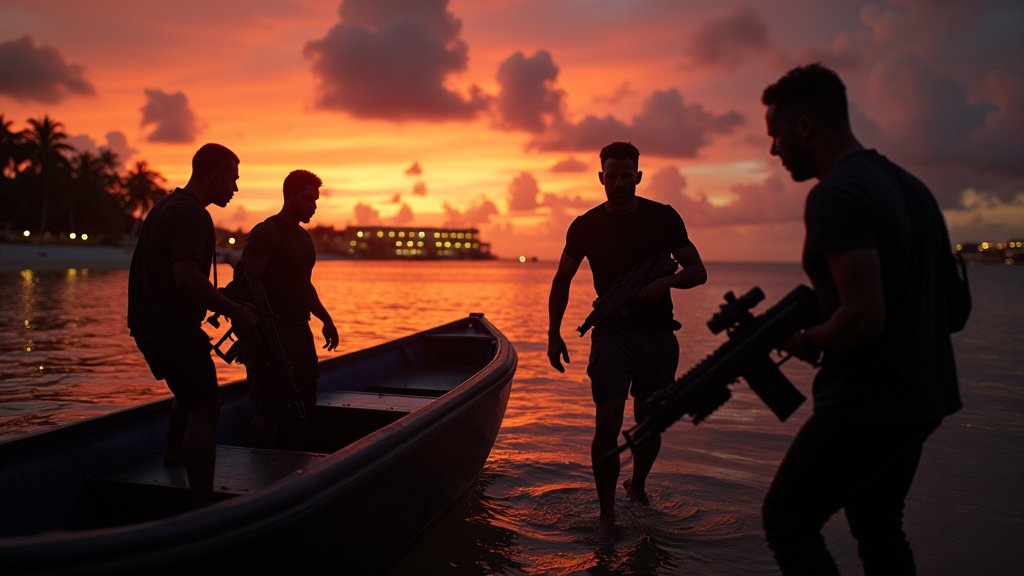
The Caribbean, a region synonymous with idyllic beaches and vibrant cultures, is now confronting a starkly different reality: an unprecedented surge in violent crime and escalating murder rates that are casting a shadow over paradise. Across numerous islands, a confluence of factors, including intensified drug trafficking, a relentless flow of illegal firearms, and the growing power of organized criminal networks, has pushed homicide rates to alarming new highs, making the Caribbean one of the world’s most dangerous regions.
The Escalating Crisis Grip
Recent data paints a grim picture of the security landscape. In 2024 and early 2025, several Caribbean nations have reported record-breaking homicide figures. Turks and Caicos, a British Overseas Territory known for its luxury tourism, registered the highest murder rate per capita in the region, experiencing a significant increase in gang violence. By mid-August of the current year, the islands had already recorded 24 killings, including a mass shooting that left four dead [initial context]. This situation is not isolated; Jamaica has consistently ranked among the top Caribbean nations for murders, recording over 1,000 homicides by late 2024. Trinidad and Tobago has also seen its homicide numbers shatter previous records, surpassing 620 murders by the end of 2024, prompting the government to declare a state of emergency. St. Lucia, while often ranking lower than its Caribbean neighbors, is also experiencing rising crime, including gun violence linked to narcotics trafficking.
Driving Forces: A Deadly Triad
The root causes of this escalating violence are multifaceted and deeply interconnected. A primary driver is the region’s strategic position as a major transit point for narcotics moving from South America to lucrative markets in North America and Europe. This illicit trade fuels a demand for firearms, with a vast majority of illegal weapons recovered in the Caribbean being traced back to the United States, particularly Florida. These firearms, often trafficked in small quantities through complex networks, equip criminal organizations and empower gangs that are increasingly sophisticated and territorial.
Beyond drugs and guns, socioeconomic factors play a crucial role. Poverty, economic inequality, lack of opportunity, and corruption create fertile ground for criminal enterprises to thrive, particularly among the region’s youth. The breakdown of social institutions and the allure of quick wealth offered by criminal activities contribute to a cycle of violence that is proving difficult to break.
Island Spotlights: Varying Degrees of Crisis
While the Caribbean faces a common threat, the manifestations vary. In Turks and Caicos, the per capita murder rate has become a critical concern, particularly given the islands’ heavy reliance on tourism, which accounts for two-thirds of its economy [initial context, 23]. Efforts to combat crime have included demolishing informal settlements believed to harbor criminals [initial context].
Jamaica has a long-standing struggle with high homicide rates, with violence often concentrated in urban areas and driven by gang conflicts and illegal firearms. Despite some reported declines in specific periods, the overall challenge of reducing crime remains immense, with historical interventions often failing to address the root causes of poverty and marginalization.
Trinidad and Tobago declared a state of emergency in late 2024 due to spiraling gang violence. The nation has grappled with record homicides, with organized crime and the widespread availability of illegal firearms cited as primary culprits. The country’s location makes it a hub for illicit commerce, exacerbating the problem.
St. Lucia, while often ranked as safer than some neighbors, is not immune. Crime, including armed robbery and gun violence, is on the rise, frequently linked to narcotics trafficking. Although tourist areas tend to be more secure, urban and lower-income neighborhoods face higher rates of burglaries and violent crimes.
Tourism and Lifestyle Under Pressure
The surge in crime poses a significant threat to the Caribbean’s vital tourism industry, which is the economic backbone for many island nations. While the immediate impact on visitor numbers has been mixed, with some destinations like Turks and Caicos experiencing record tourism despite the crime wave, concerns about tarnishing the region’s reputation as a safe and luxurious getaway persist. Travel advisories, increased insurance costs, and a potential shift in traveler preferences toward more secure destinations are all consequences of the escalating violence. For residents, the rising crime rates impact daily life, fostering fear and anxiety, and restricting freedoms.
A Regional Fight for Security
In response to the deepening crisis, Caribbean leaders are increasingly adopting a unified approach. Regional bodies like CARICOM have emphasized collective action, with initiatives such as the Montego Bay Declaration and the George-Bridge Declaration outlining strategies to disrupt criminal networks. There is a renewed focus on combating illicit firearms trafficking, strengthening legislation, and enhancing inter-agency cooperation. Nations are also working with international partners, including the United States, which has appointed a coordinator for Caribbean firearms prosecutions and provides support for intelligence sharing and capacity-building programs.
However, the challenges are immense. Weak border controls, the sheer scale of transnational organized crime, and the need for sustained investment in social programs and community resilience mean that effective solutions require more than just law enforcement. The news from the Caribbean underscores the urgent need for comprehensive strategies that address both the symptoms and the root causes of this complex problem.
Conclusion
The Caribbean is at a critical juncture. The escalating violence, driven by powerful criminal networks and the unchecked flow of illegal weapons, represents a profound threat to the region’s stability, economy, and the well-being of its people. While regional cooperation and national efforts are underway, the battle against the highest murder rates in the Caribbean is a long and arduous one, demanding persistent dedication and multifaceted solutions that extend far beyond security measures to encompass social and economic development. The future of Caribbean lifestyle and prosperity hinges on successfully navigating this turbulent period.