
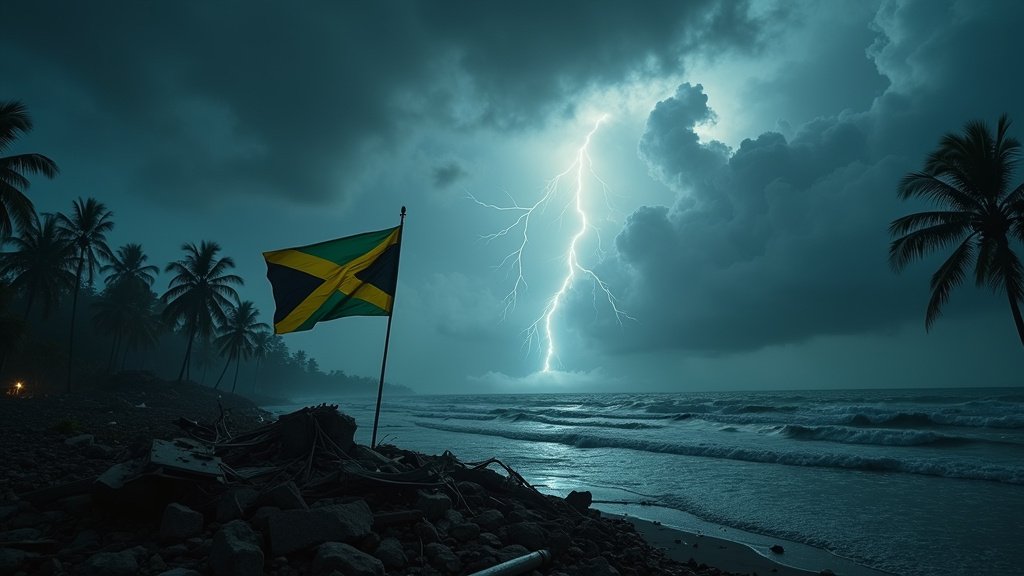
The tranquil shores of Nantucket, known for their serene beauty and bustling summer lifestyle, are currently a place of quiet anxiety for a significant portion of its residents. While miles separate them from the devastation, the hearts of Nantucket’s Jamaican community members are in Jamaica, grappling with the aftermath of Hurricane Melissa, a catastrophic Category 5 storm that has left their homeland reeling.
A Storm of Unprecedented Power
On October 28, 2025, Hurricane Melissa made landfall in Jamaica as one of the most powerful tropical cyclones on record, unleashing winds of up to 185 mph and torrential rainfall. The storm, the strongest to ever hit the island, was a Category 5 behemoth that carved a path of destruction across the Caribbean. Its immense power was not just measured in wind speed and pressure, but in the sheer scale of devastation it wrought upon Jamaica, a nation already vulnerable to the intensifying impacts of climate change.
Jamaica Devastated: The Human and Economic Toll
The impact on Jamaica was nothing short of catastrophic. Millions of residents faced widespread destruction as homes were reduced to rubble, infrastructure crumbled, and entire communities were submerged or isolated by landslides and flooding. Reports indicate that at least 46 lives were lost in Jamaica alone, with many more missing and tens of thousands displaced, seeking refuge in shelters or makeshift accommodations. The island’s vital agricultural sector suffered billions of dollars in losses, and the tourism industry, a cornerstone of the Jamaican economy, faced immense setbacks, with major hotel chains not expecting to reopen until well into 2026. Power outages affected over 77% of the island, and communication networks were severely disrupted, plunging vast areas into a blackout that compounded the crisis and hindered initial rescue and assessment efforts. Parishes like St. Elizabeth, Westmoreland, St. James, and Manchester bore the brunt of the storm’s fury, with some towns reportedly decimated and up to 90% of buildings in certain areas impacted.
The Diaspora’s Vigil: Nantucket’s Anxious Wait
On Nantucket, a significant population of individuals with deep roots in Jamaica watched the news unfold with a gnawing sense of dread. For many, the island paradise they call home in Massachusetts is also home to their families, their heritage, and their most cherished memories. The breakdown in communication – cellular networks down, internet services sporadic – meant that for days, many were left in agonizing silence, desperate for any news about the well-being of their loved ones and the state of their ancestral homes. Anthony Litchmore, whose family hails from the hard-hit St. Elizabeth Parish, recounted the terror of seeing a photograph of his family’s home with its roof completely gone, surrounded by flattened trees. Sobrena Colbert, whose family also lives in the devastated Black River area of St. Elizabeth, shared similar anxieties, waiting for updates on her relatives. This pervasive uncertainty weighs heavily, a stark reminder of their deep connection to the Caribbean nation.
The Long Road to Recovery and Community Support
The recovery process for Jamaica is expected to be long and arduous. Millions of tonnes of debris litter the landscape, blocking roads and hindering access to essential services and relief supplies. The United Nations Development Programme (UNDP) is working to clear this debris, a critical first step in restoring normalcy. Aid organizations like Project HOPE and the United Way of Jamaica are on the ground, providing immediate humanitarian assistance, including food, water, and medical supplies, while also planning for long-term rebuilding efforts. The U.S. government has mobilized disaster response teams and is coordinating with international partners to deliver much-needed support.
The Jamaican diaspora, both on Nantucket and in global hubs like New York, Toronto, and London, has mobilized with a spirit of resilience and solidarity. Fundraising concerts like “Jamaica Strong” aim to raise significant funds for reconstruction, and numerous GoFundMe campaigns have been initiated to support specific communities and families. These efforts highlight the profound connection and commitment the diaspora holds for their homeland, a bond strengthened by shared culture and history. The news of the destruction has galvanized many, transforming anxiety into a drive to support recovery and rebuilding initiatives.
Enduring Connections
For the Jamaican community on Nantucket, the news of Hurricane Melissa’s devastation serves as a poignant reminder of the interconnectedness of lives across continents. They are more than just residents of an island; they are part of a vibrant Caribbean diaspora, deeply tied to the fortunes of their homeland. As Jamaica begins the monumental task of healing and rebuilding, the thoughts, prayers, and tangible support from communities like Nantucket’s Jamaican population will be a crucial element in its journey back to stability. The experience underscores the resilience inherent in the Jamaican spirit and the enduring strength found in global community bonds, a testament to a rich culture and a way of life that transcends geographical boundaries.