
Tobago Radar Sparks Regional Fears: Caribbean Caught in US-Venezuela Crossfire
A new US military radar system is now operational in Tobago. Its presence has ignited significant fears across the Caribbean. Many worry the region is being pulled into the escalating US-Venezuela crisis. Trinidad and Tobago’s government says the radar serves a peaceful purpose. However, critics see it as a dangerous geopolitical move.
A New Eye in the Sky
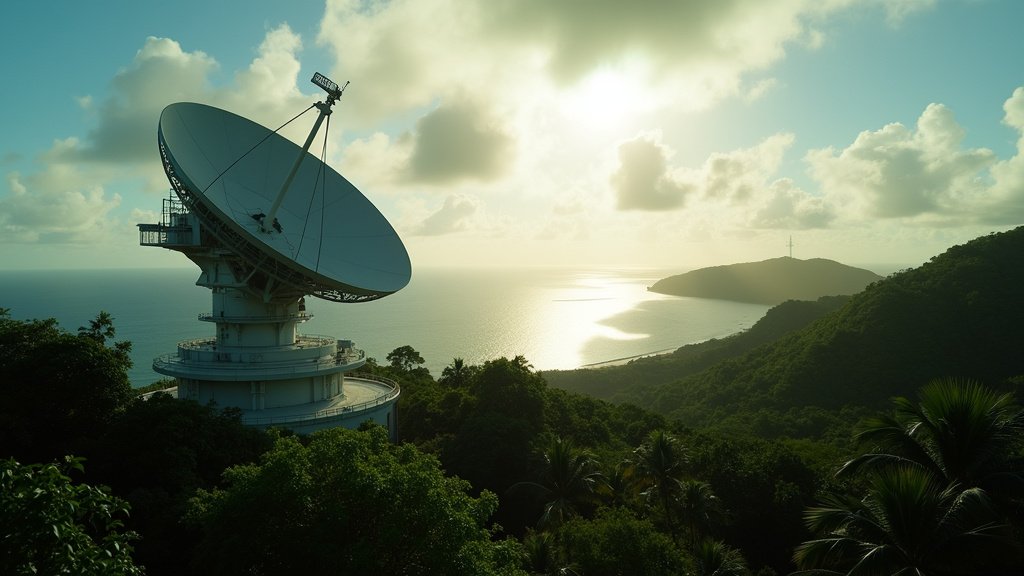
US Marines have been installing the sophisticated radar system. It sits at ANR Robinson International Airport in Tobago. This island is just seven miles from Venezuela. The system is likely an AN/TPS-80 G/ATOR. It is a powerful surveillance tool. It can monitor air and sea for hundreds of miles. Its capabilities far exceed basic airport functions. This deployment comes amid heightened US military activity. The US has increased its presence in the Caribbean. This includes naval fleets and airstrikes. These actions are officially linked to fighting drug trafficking.
Stated Purpose vs. Regional Worries
Trinidad and Tobago’s Prime Minister, Kamla Persad-Bissessar, has addressed the issue. She initially denied US troops remained in the country. Later, she confirmed Marines were helping with airport upgrades. She stated their work includes radar installation. The Prime Minister claims the system is for counter-narcotics. She said it enhances national security. It improves surveillance of air and sea spaces. She also stated she requested the radar herself. This was to fix poor existing surveillance. The government emphasizes it is a temporary upgrade. However, many regional observers disagree with this framing. They see it as a strategic military asset. Its location near Venezuela is highly concerning. Critics argue its capabilities suggest more than just drug interdiction. They fear it signals readiness for broader military operations. This has tarnished the region’s international standing. Many believe it draws the Caribbean into a US agenda. It risks making the islands targets. It puts precious lives and resources at unnecessary risk.
The US-Venezuela Tensions
The radar installation occurs during extreme US-Venezuela tensions. The US has intensified its pressure campaign on Venezuela. President Donald Trump has declared Venezuelan airspace closed. The US has also conducted numerous airstrikes. These target alleged drug-running vessels. These operations have killed dozens. Venezuela views these actions as aggression. President Nicolas Maduro has sought allies. He has turned to Russia, China, and Iran. The US military buildup is the largest in decades. It signals a serious test for Maduro. The region is becoming a strategic focal point. This creates a volatile mix of factors.
Fears of Geopolitical Entanglement
Political analysts express deep concern. They warn the radar could drag the Caribbean into conflict. Some compare the situation to the Cold War. They fear it could make islands military targets. Ceding control of such a system raises sovereignty questions. Experts point out the US has vast naval assets. These could monitor the region without local bases. The US previously sought radar placement in Grenada. That request faced public backlash. Tobago may have become a fallback location. This suggests a strategic push for regional surveillance. It also impacts the region’s lifestyle. Tourism, a vital part of island life, faces risks. Fears of escalation deter visitors. This creates an uncertain economic future.
Government Reassurances
Despite criticism, the Trinidad and Tobago government defends its actions. Prime Minister Persad-Bissessar argues the radar makes the nation safer. She stated she requested the system months ago. She thanked the US for its assistance. Defence Minister Wayne Sturge echoed these reassurances. He stated the radar is neutral. It does not threaten Venezuela or regional sovereignty. He affirmed it complies with international law. The government emphasizes local consent. It aims to bolster capacity-building. However, opposition figures call the deal a betrayal. They claim the nation’s soul has been sold. The government accuses critics of being financed by drug cartels.
A Region on Edge
The radar installation in Tobago highlights a delicate balance. Trinidad and Tobago seeks US support against crime. Yet, it faces domestic concerns over sovereignty. The radar’s presence has stirred debate. It fuels fears of external influence. The news of this radar system is a critical development. It underscores the complex geopolitical landscape. The Caribbean finds itself navigating intense US-Venezuela tensions. This situation has implications far beyond just anti-drug efforts. It raises questions about regional autonomy and peace. The news also impacts the daily news cycle for many. The region is now on edge. Its future role in this unfolding crisis remains uncertain. The installation symbolizes a significant shift in regional security. It amplifies fears of being drawn into a larger conflict.