
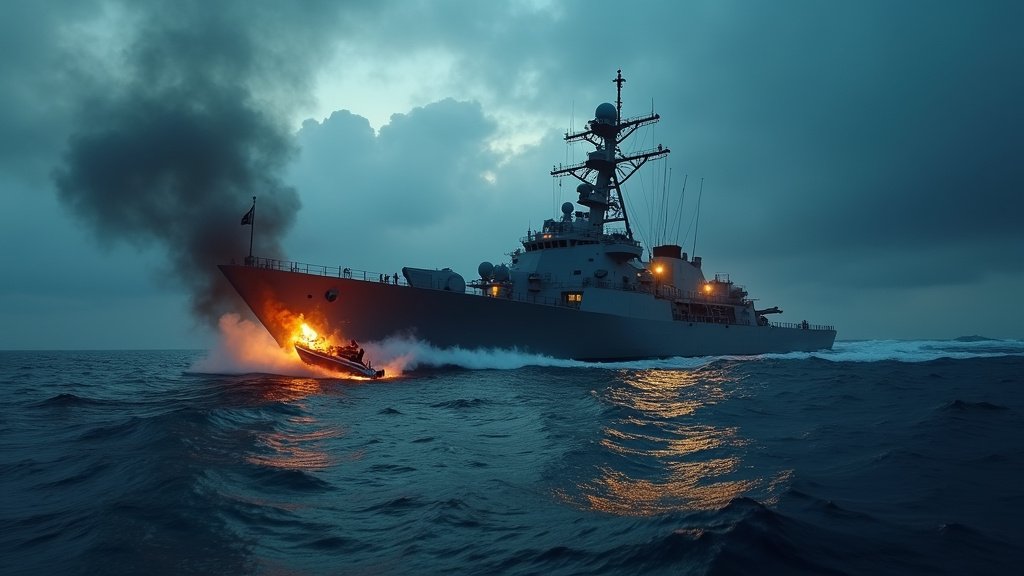
The U.S. military confirmed a fatal strike. This happened on Friday, February 13, 2026. It targeted a vessel in the Caribbean. Three people died in the incident. U.S. Southern Command (SOUTHCOM) reported the event. They stated the vessel was on known narco-trafficking routes. It was actively involved in drug operations. This strike is part of broader U.S. efforts. These efforts aim to combat drug trafficking. This is a significant development in ongoing maritime security news.
Operation Southern Spear Intensifies
This recent strike is not an isolated event. It is part of Operation Southern Spear. This operation began in September 2025. The Trump administration launched it. Its stated goal is fighting maritime drug trafficking. It targets cartels in Latin America. The operation initially focused on the Caribbean. It later expanded to the Eastern Pacific Ocean. U.S. forces are engaged in frequent strikes. These strikes target alleged drug-trafficking vessels. The administration labels some groups as narcoterrorists. However, evidence supporting these claims is often scarce.
Escalation and Legal Scrutiny
The U.S. military has conducted numerous strikes. These have resulted in many casualties. By early February 2026, at least 133 people had died. This occurred across at least 38 attacks. The latest strike brings the total to 133 in 39 attacks. These actions have drawn criticism. Legal experts question their legality. They describe them as extrajudicial killings. Critics argue drug smuggling is a law enforcement issue. It should not be a military one. Due process is reportedly lacking. The U.S. has often failed to provide evidence. This evidence would link the killed individuals to drug trafficking. There are concerns these actions violate international law.
Background of Increased Military Presence
The U.S. military buildup began in late August 2025. It involved deploying naval forces to the Caribbean. This was a significant display of American power. The USS Iwo Jima and its group were among the first deployed. Later, the USS Gerald R. Ford carrier strike group arrived. By late 2025, over 10,000 personnel were in the region. This represented the largest buildup since 1962. The operation was framed as combating drug cartels. However, some analysts suggest broader geopolitical goals. These include pressuring the Venezuelan government.
Defense Secretary’s Claims and Doubts
Defense Secretary Pete Hegseth made bold claims. He stated that some top cartel drug-traffickers decided to cease operations. This was attributed to effective kinetic strikes. However, Hegseth offered no supporting details. These claims were made on social media. President Donald Trump has also spoken out. He declared the U.S. is in “armed conflict” with cartels. He justified strikes as vital to stop drug flow. Yet, his administration provided limited evidence. This lack of evidence fuels public and expert skepticism.
New Command and Operational Details
The recent strike was directed by the new SOUTHCOM commander. General Francis L. Donovan took command recently. He was sworn in before this strike. The strike was executed by Joint Task Force Southern Spear. This task force operates under SOUTHCOM. It uses lethal kinetic strikes. The confirmed vessel was identified. It was traveling on known narco-trafficking routes. Intelligence confirmed its drug operations. A video showed the vessel exploding. No U.S. military personnel were harmed.
Broader Geopolitical Context and Regional Impact
The increased U.S. military activity has consequences. Regional governments have expressed concerns. Impacts on fishing, tourism, and energy are noted. Some nations support the U.S. efforts. Others are wary of increased military presence. The operations aim to disrupt drug flow. They also influence regional politics. The U.S. has targeted Venezuelan-linked activities. This includes seizing oil tankers. Such actions heighten tensions. The strategy links counter-narcotics to national security.
The Debate Over Strategy and Effectiveness
There is an ongoing debate about the strategy. Some argue for a law enforcement approach. They believe this is more effective for drug trafficking. Others question the military’s role. They point to potential violations of the Posse Comitatus Act. This act limits military involvement in law enforcement. The effectiveness of these kinetic strikes is also debated. While they cause fatalities, they may not stop the larger drug trade. Some experts suggest these actions could worsen instability. They might even fuel retaliatory violence. The lifestyle of communities in the Caribbean can be impacted by these ongoing security concerns.
Conclusion: A Complex and Controversial Campaign
The U.S. military’s recent strike is part of a larger, controversial campaign. Operation Southern Spear continues to evolve. It involves frequent maritime strikes. These actions aim to combat alleged narco-trafficking. They also raise significant legal and ethical questions. The increasing death toll and lack of transparency fuel scrutiny. The long-term implications for regional stability and drug control remain uncertain. This news highlights a critical issue in current events. The focus on kinetic action continues in the Caribbean.