
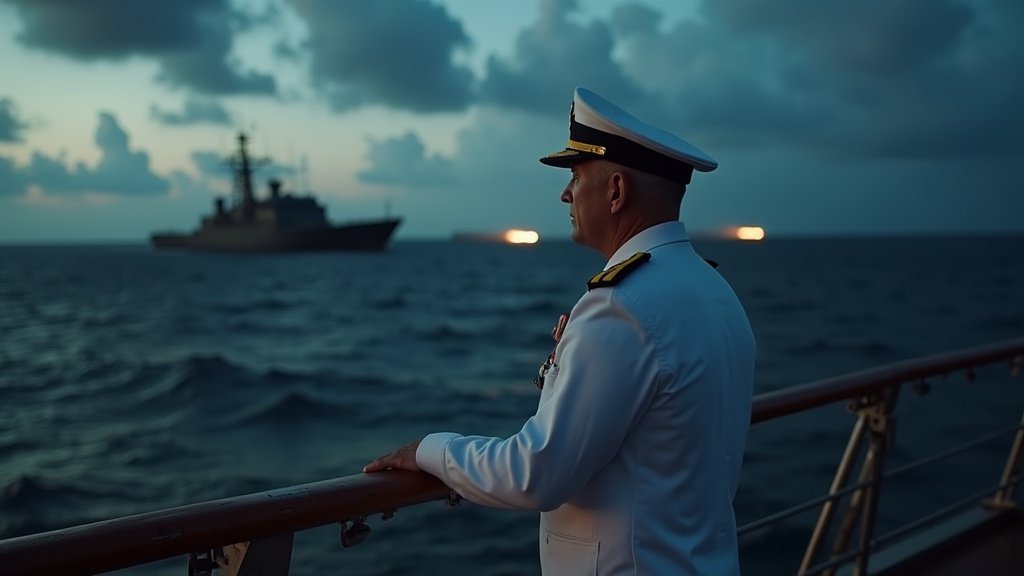
White House Defends Admiral’s ‘Double Tap’ Order in Caribbean Drug Boat Strike Amid War Crime Probe
The White House is defending a controversial military operation. It occurred in the Caribbean Sea. US forces sank an alleged drug boat on September 2nd. A second strike killed two survivors clinging to the wreckage. White House officials confirmed the second strike on December 2nd. They stated Admiral Frank “Mitch” Bradley gave the order to kill. This action has sparked intense debate. It raises serious war crime allegations.
The September Strike
US forces conducted a major operation. It targeted a vessel suspected of drug smuggling. This happened in international waters. The initial strike destroyed the boat. Eleven people were reportedly aboard. However, two survivors clung to the wreckage. A second missile strike then hit the survivors. This second strike killed them. The event occurred on September 2nd. This controversial news emerged last week.
White House Defense
The White House has vigorously defended the operation. Press Secretary Karoline Leavitt confirmed the second strike. She stated Admiral Frank “Mitch” Bradley gave the order. Admiral Bradley led JSOC at the time. He acted within his legal authority. His goal was to eliminate a US threat. Defense Secretary Pete Hegseth authorized Bradley. Hegseth fully supports Admiral Bradley. He called the admiral an “American hero.” The administration maintains these actions are lawful. They align with the Law of Armed Conflict.
Allegations of War Crimes
The incident has drawn sharp criticism. Reports initially suggested Secretary Hegseth ordered the second strike. He allegedly directed forces to “kill everybody.” Hegseth denies giving this specific order. He cited the “fog of war.” He watched the first strike live. However, he did not see survivors. He then moved to his next meeting. Many experts disagree with this defense. They point to the Pentagon’s own manual. It strictly prohibits attacking shipwrecked individuals. Targeting survivors is considered a war crime. This is especially true outside of declared armed conflict.
Shifting Narratives and Blame
The official account has evolved. Initially, President Trump stated he “wouldn’t have wanted” a second strike. He also said Hegseth denied ordering it. However, the White House confirmed Hegseth authorized Bradley. This creates a confusing timeline. Some officials suggest the intent was to sink the boat. It was deemed a navigational hazard. Others say the survivors were “still in the fight.” This suggests they posed a continuing threat. The exact reasoning remains debated.
Congressional Scrutiny
Lawmakers are demanding answers. Both Democrats and Republicans have voiced concerns. Congressional committees have launched investigations. Admiral Bradley is expected to brief lawmakers. This classified briefing is scheduled soon. Senators and Representatives want to understand the legality. They question if war crimes were committed. Some lawmakers believe the administration is shifting blame. They worry Admiral Bradley is being scapegoated.
Broader Context and Implications
This incident is part of a larger campaign. The US military has conducted many strikes. These targeted alleged drug boats. This occurred in the Caribbean and Pacific. The administration calls these groups “narco-terrorists.” However, evidence is often not public. This approach marks a shift from law enforcement. It uses direct military force. Such actions raise questions about international law. They impact regional stability. The news cycle for such events is intense. It affects perceptions of safety. The maritime lifestyle for many depends on secure shipping lanes. These news events highlight the complexities of global security.
Unresolved Questions
The White House insists the mission was lawful. Admiral Bradley acted within his authority. Yet, critics argue the actions violated core legal principles. The legality of targeting survivors remains highly contentious. Investigations are ongoing. The full truth about the September 2nd strike is still unfolding. The outcome could have significant implications for future operations.