
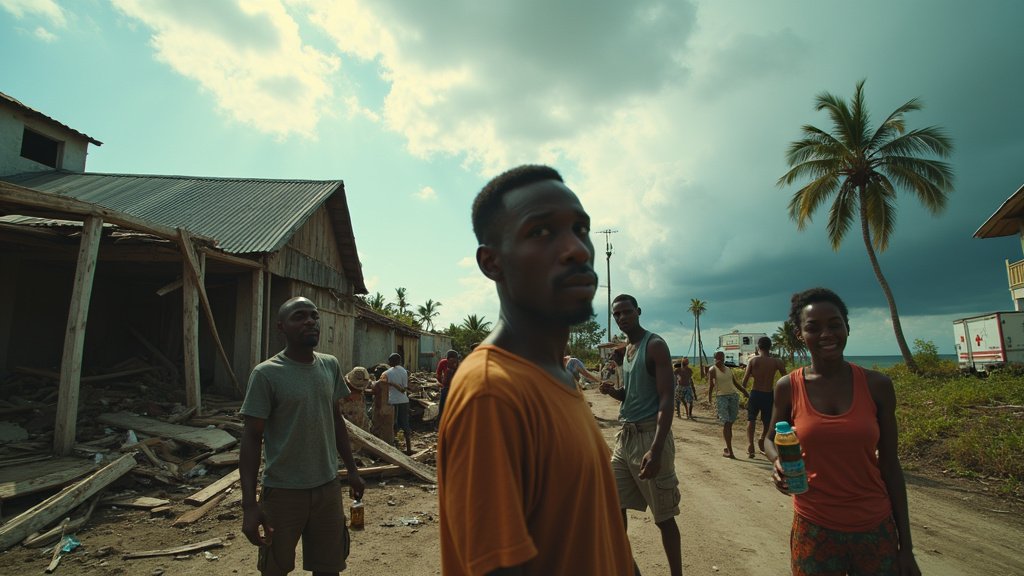
Jamaica is grappling with the aftermath of Hurricane Melissa, a catastrophic Category 5 storm that made landfall on October 28, 2025, leaving a trail of devastation across the island. The hurricane, one of the strongest Atlantic storms on record, has inflicted unprecedented damage, with initial estimates placing the physical damage at a staggering US$8.8 billion, equivalent to 41% of Jamaica’s 2024 GDP. This makes Hurricane Melissa the costliest storm in Jamaica’s recorded history.
Devastation and Human Toll
The storm’s 185-mile-per-hour winds, torrential rains, and storm surges resulted in widespread destruction, particularly in the western and southwestern regions of the island. As of mid-November, the confirmed death toll had risen to 45, with 15 individuals reported missing and hundreds more injured. Thousands of households have been displaced, with preliminary figures indicating that 156,000 dwellings were damaged, and 24,000 are considered total losses. Critical infrastructure, including five hospitals, numerous schools, community facilities, and vital utility and communication networks, suffered significant damage, with Black River Hospital being destroyed. The agricultural sector, a cornerstone of Jamaica’s economy, sustained heavy losses, with estimates reaching US$192 million in damaged crops and livestock, further exacerbating fears of food shortages.
A Coordinated, Multi-faceted Response
In the wake of the disaster, a massive, coordinated relief and recovery effort has been mobilized, involving the Jamaican government, international partners, and non-governmental organizations. The Jamaican government, led by Prime Minister Andrew Holness, has been actively involved in damage assessments and the coordination of aid distribution. The Ministry of Labour and Social Security has pre-positioned relief supplies, while the Office of Disaster Preparedness and Emergency Management (ODPEM) is managing national recovery operations.
International support has been swift and substantial. The United States has pledged over US$22 million in assistance, deploying Disaster Assistance Response Teams (DART) and search-and-rescue units, alongside significant aid in supplies and helicopter support. Amazon has contributed over 150,000 emergency supplies and advanced technological solutions, including solar-powered batteries and Wi-Fi connectors, to power essential services. El Salvador dispatched over 50 tons of aid and 300 rescuers, demonstrating strong regional solidarity. The United Kingdom deployed a 12-member Emergency Medical Team (UK EMT) to provide mobile clinics and direct healthcare, while Japan has provided an emergency grant of US$4 million through the World Food Programme (WFP) and the International Federation of Red Cross and Red Crescent Societies (IFRC). Major international financial institutions, including the World Bank, the Inter-American Development Bank (IDB), and the Development Bank of Latin America and the Caribbean (CAF), have committed immediate financial resources and technical assistance. Organizations like Team Rubicon, United Way Jamaica, Convoy of Hope, Doctors Without Borders (MSF), and the International Federation of Red Cross and Red Crescent Societies (IFRC) are on the ground providing essential services such as medical care, food, water, shelter, and debris clearance.
Restoring Essential Services
The restoration of critical infrastructure, particularly electricity and water, remains a top priority. Jamaica Public Service (JPS) crews have been working tirelessly to restore power, with approximately 70% of customers having electricity restored by mid-November, and efforts focused on critical services like hospitals and water pumps. International assistance, including technicians from Belize Electricity Limited (BEL), is also aiding in rebuilding damaged electrical infrastructure. The Ministry of Health and Wellness, in coordination with various agencies, has issued advisories on making water safe for consumption through boiling or using bleach due to potential contamination of groundwater sources.
Community Spirit and Resilience Shine Through
Despite the widespread devastation, the spirit of resilience and community solidarity among Jamaicans is profoundly evident. Local communities, churches, and faith-based groups are actively participating in relief efforts, distributing essential supplies and providing much-needed support. The music industry has also played a vital role in the recovery, with prominent artists like Chronixx, Shaggy, and Sean Paul contributing to fundraising efforts and providing a soundtrack of hope and healing. Benefit concerts and relief drives organized by musicians and entertainment brands are not only raising funds but also fostering community healing and collective support across the Caribbean nation. The news of these collective efforts highlights the deep emotional and cultural ties that bind Jamaicans, both at home and abroad.
Conservation Efforts Continue Amidst Recovery
Amidst the recovery efforts, conservation work at the Holland Bay Crocodile Sanctuary continues. This sanctuary plays a crucial role in protecting Jamaica’s native American crocodile population, working on breeding programs, rehabilitation, and community education about living safely alongside these reptiles. Such initiatives underscore the commitment to preserving Jamaica’s unique natural heritage even during times of crisis.
As Jamaica navigates the long road to full recovery, the immense scale of the damage underscores the challenges ahead. However, the outpouring of international aid, combined with the unwavering resilience and collective spirit of the Jamaican people, provides a powerful foundation for rebuilding lives and restoring hope across the island nation.