
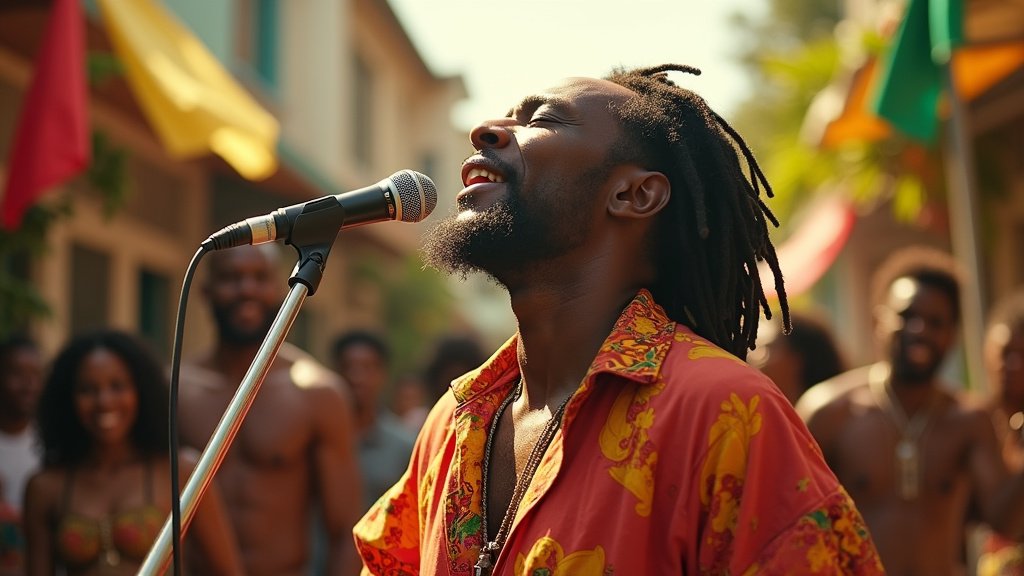
Reggae legend Jimmy Cliff, born James Chambers, passed away on November 24, 2025, at the age of 81 in Kingston, Jamaica. His death was attributed to a seizure followed by pneumonia, as announced by his wife on his official Facebook page. Cliff was a towering figure in the music world, celebrated as a singer, songwriter, actor, and a primary architect of ska, rocksteady, and reggae, whose work transcended borders and inspired generations.
From St. James to the Global Stage
Born on July 30, 1944, in St. James, Jamaica, James Chambers began his musical journey early, writing songs while still in primary school. His father moved him to Kingston when he was 14, where he adopted the stage name Jimmy Cliff. His career officially launched in the early 1960s, gaining early traction with hits like “Hurricane Hattie.” After signing with Island Records, Cliff relocated to London in 1965, where he expanded his musical palette to include soul and rhythm and blues, paving the way for his distinctive reggae sound.
“The Harder They Come”: A Landmark Film and Soundtrack
Jimmy Cliff’s international breakthrough came with his starring role in the 1972 film “The Harder They Come.” The film, which he also contributed significantly to the soundtrack of, is widely credited with popularizing reggae music globally and is considered a cornerstone of Jamaican cinema. The soundtrack featured iconic songs such as “Many Rivers to Cross,” “Sitting in Limbo,” and the title track, all of which became anthems for the genre and introduced Cliff’s soulful voice to a worldwide audience. The film’s success not only turned Cliff into a global star but also provided a vital platform for Jamaican culture and urban imagery to be seen and appreciated internationally, laying the groundwork for a global reggae movement.
A Diverse Musical Career and Enduring Impact
Throughout his career, which spanned from 1962 to 2025, Jimmy Cliff was known for his ability to blend various musical styles, including pop and rock, which helped bridge cultural divides and appeal to a broad audience. His international hits include “Wonderful World, Beautiful People,” “Vietnam,” and his popular cover of Johnny Nash’s “I Can See Clearly Now” from the “Cool Runnings” soundtrack in 1993. Bob Dylan even hailed “Vietnam” as the greatest protest song he had ever heard. Cliff’s music has been celebrated for its messages of hope, determination, and social awareness, resonating with audiences fighting for justice worldwide.
Honors and Legacy
Jimmy Cliff’s contributions to music and culture were widely recognized. He was the recipient of Jamaica’s highest honor, the Order of Merit, and was inducted into the Rock and Roll Hall of Fame in 2010, joining a select group of music legends. He also won a Grammy Award for Best Reggae Album for “Rebirth” in 2012. Cliff’s influence extends beyond his own recordings, inspiring countless artists and continuing to shape the global music landscape. His music has influenced genres such as hip-hop and electronic music, demonstrating the pervasive reach of reggae.
Personal Life
Born James Chambers, Jimmy Cliff was a husband to Latifa Chambers and a father to his daughter Lilty Cliff and son Aken Cliff. He also had another daughter, actress and singer Nabiyah Be. Cliff explored various spiritual paths throughout his life, briefly being a member of the Rastafari movement before converting to Islam and later describing himself as having a “universal outlook on life” and believing in science. His wife’s announcement of his passing expressed profound sadness and gratitude for the support of his family, friends, and global fans, vowing to honor his legacy.
Jimmy Cliff’s passing marks the end of an era for reggae and Caribbean music, but his timeless melodies and impactful messages will continue to echo across the globe.